


Presonus Studio One roundup
Presonus Studio One: A Complete Buyer's Guide
A practical buyer's guide to PreSonus Studio One — understanding what each version tier includes, when to upgrade, and how it compares to competing DAWs.
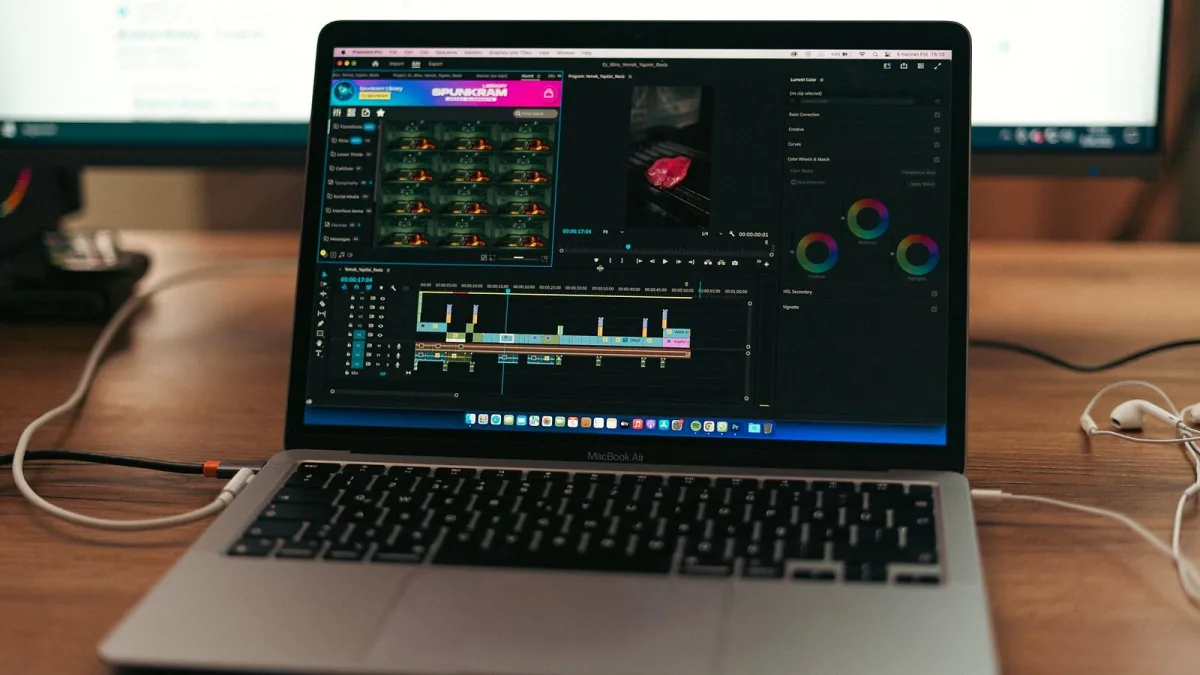
Buying PreSonus Studio One means choosing between three version tiers and deciding whether additional cloud features are worth the subscription cost. The core question is not whether Studio One is capable — it is — but which tier matches what you actually need now and in the near future.
The Three Tiers
Studio One Prime is free. It includes the full recording and arrangement engine, basic built-in effects, and the core mixer. The limitations are significant for serious production: no third-party plugin support, no virtual instruments beyond a basic set, and no Project mastering page. Prime is useful for learning the interface and for very simple recording tasks, but most producers outgrow it quickly.
Studio One Artist includes all the virtual instruments (Presence XT, Impact XT, Mojito, and others), the full built-in effects library, third-party plug-in support in VST3/VST2/AU formats, and unlimited audio and MIDI tracks. It lacks the Project mastering page, Stem Separation, and the score editor. For home recording, podcasting, and basic music production, Artist covers the essentials.
Studio One Professional adds everything: the Project mastering page with direct Song-to-Project linking, Stem Separation (AI-based source separation), the score and chord editor, additional effects including the Chord Track, and full Sphere integration. This is the version most working producers, engineers, and composers use. The perpetual licence price is typically around £350–£400 at full retail, with frequent upgrade pricing for existing users.
Perpetual Licence vs Sphere Subscription
The perpetual licence gives you the software permanently without ongoing cost. Studio One+ (formerly PreSonus Sphere) is an optional subscription that adds cloud project storage, access to all PreSonus virtual instruments and plug-ins including third-party bundles, and collaborator project sharing. If you are heavily invested in the PreSonus ecosystem or want cloud access, Studio One+ is competitive. If you already own preferred plug-ins and do not need cloud features, the perpetual licence alone is sufficient.
Upgrade Pricing
If you start with Prime or Artist, upgrade pricing to Professional is significantly less than the full price. PreSonus has historically offered upgrade paths from previous versions and from the free tier. Watch for promotional upgrade pricing during seasonal sales — the price difference between full retail and upgrade pricing is often substantial.
Comparing with Alternatives
Logic Pro is the closest direct competitor for Mac users — a larger feature set at a lower fixed price, but Mac-only. Ableton Live Standard is comparable in price to Studio One Professional but focuses on loop-based performance rather than traditional mixing. Reaper is significantly cheaper, with a fully flexible trial model, but has a steeper initial learning curve. Studio One sits comfortably in the middle: intuitive enough for new producers, capable enough for professional work, and cross-platform unlike Logic.
System Requirements
Studio One 6 requires macOS 10.15 or later on Mac, or Windows 10 (64-bit) or later on PC. It runs well on modern hardware but is not particularly demanding for basic recording sessions. For large sessions with many virtual instruments and plug-ins, 16GB of RAM is recommended. Native Apple Silicon support means it runs efficiently on M1, M2, and M3 Macs without Rosetta 2 translation overhead.
For a full feature overview, see the PreSonus Studio One guide. If you are starting fresh, the beginner's overview covers what to do once the software is installed.






Comments