


Spitfire Audio roundup
The Best Spitfire Audios for the Money
There's no single best library — here's where the value genuinely sits, from free experimentation to full orchestral scale.
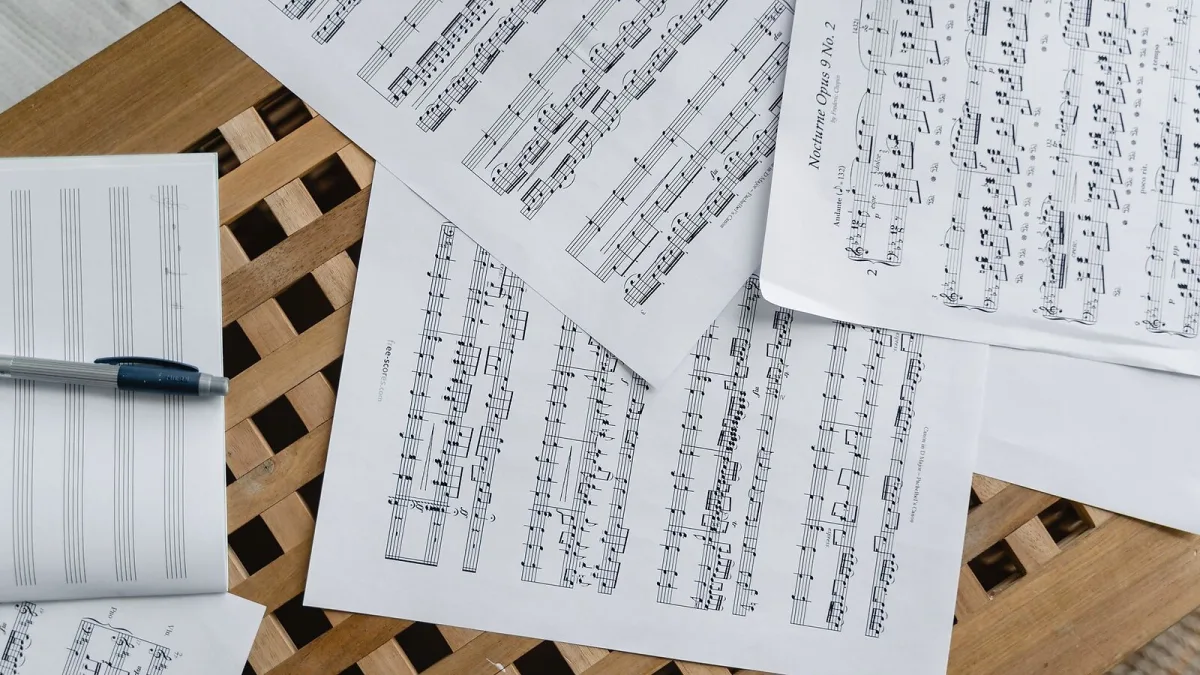
There's no crown to hand out here — no single "best" Spitfire Audio library that suits everyone equally. What there genuinely is, is a range where the value shifts hugely depending on what you're actually trying to write. Let's go through it honestly, tier by tier.
Best Spitfire Audio Value: Free, Full Stop
LABS costs nothing and it's not a stripped-down demo either — it's a proper set of focused instruments spanning acoustic, orchestral and textural sounds. If you're not yet sure whether this whole approach to sampled instruments suits how you work, there's no better place to find out. Plenty of finished tracks lean on LABS instruments and nobody would ever guess from the price tag.
Best Value for Learning Orchestral Programming
BBC Symphony Orchestra Discover is the sensible next step once LABS has you hooked. It's a curated, entry-level orchestral instrument — enough sections and articulations to genuinely learn how orchestral writing and programming work, without the overwhelming scale of the full professional edition. Value here means learning fast without drowning in options you don't understand yet.
Best Value for Fast Sketching and Songwriting
If you write quickly and want a broad, playable cinematic sound rather than granular control over every individual section, an Albion-style collection is where the money goes further. You get big, usable orchestral colour fast, which matters enormously more than deep per-instrument control when you're trying to capture an idea before it slips away.
Best Value for Serious, Detailed Scoring
Once you're genuinely working section by section — shaping individual string parts, switching articulations deliberately, caring about legato transitions — BBC Symphony Orchestra Core or Professional starts earning its price properly. This isn't the tier to buy on a whim; it's the tier to buy once you already know exactly what extra control you're missing.
Best Spitfire Audio for the Full Orchestral Palette
Spitfire Symphony Orchestra covers the whole orchestra at real scale, and its value proposition is straightforward: comprehensive coverage in one collection rather than assembling sections from several smaller products. That's genuinely worth something if your work regularly spans the full orchestral range, but it's overkill if you mostly write for strings or a small ensemble.
Best Value If You're Buying More Than One Library
Once you own more than one Spitfire Audio product, value starts to compound. Getting comfortable with one interface, one approach to articulation switching and one microphone-blending habit means every library after the first is genuinely faster to learn and use well. That's a real, if easy to overlook, part of the value equation — the second and third purchases tend to earn their keep faster than the first one did.
Where the Money Genuinely Goes Furthest
- Microphone flexibility pays off for years — it's the difference between reaching for a reverb plugin and just blending what's already there.
- Round robins and legato matter more than raw instrument count for anything melodic or exposed.
- Starting smaller than you think you need saves genuine money by avoiding features you won't touch for months.
Quick-Pick Summary
| You are… | Best value pick | Why |
|---|---|---|
| Just curious, zero budget | LABS | Free, focused, genuinely usable |
| Learning orchestral writing | BBC Symphony Orchestra Discover | Curated scope without overwhelm |
| Sketching songs quickly | Albion-style collections | Fast, broad, playable results |
| Working section by section | BBC Symphony Orchestra Core or Professional | Depth of articulation and control |
| Scoring across the full orchestra | Spitfire Symphony Orchestra | Comprehensive coverage in one collection |
Do the Groundwork First
If any of the terms above are unfamiliar, the full explainer on how these libraries actually work is worth reading before you commit to anything. And the complete buyer's guide covers the practical checklist — system requirements, platform compatibility, the lot — in more depth than a value-by-tier breakdown can.
The Bottom Line
The best Spitfire Audio purchase isn't the most expensive or the most comprehensive — it's whichever tier matches what you're actually writing right now, with room to grow into the next one honestly, when you've genuinely outgrown what you've got.



Comments