Skip to content

Native Instruments Komplete article

Native Instruments Komplete for Beginners: A Complete Guide

Native Instruments Komplete can be overwhelming for new users. Here is a practical guide to getting started with the bundle from day one.
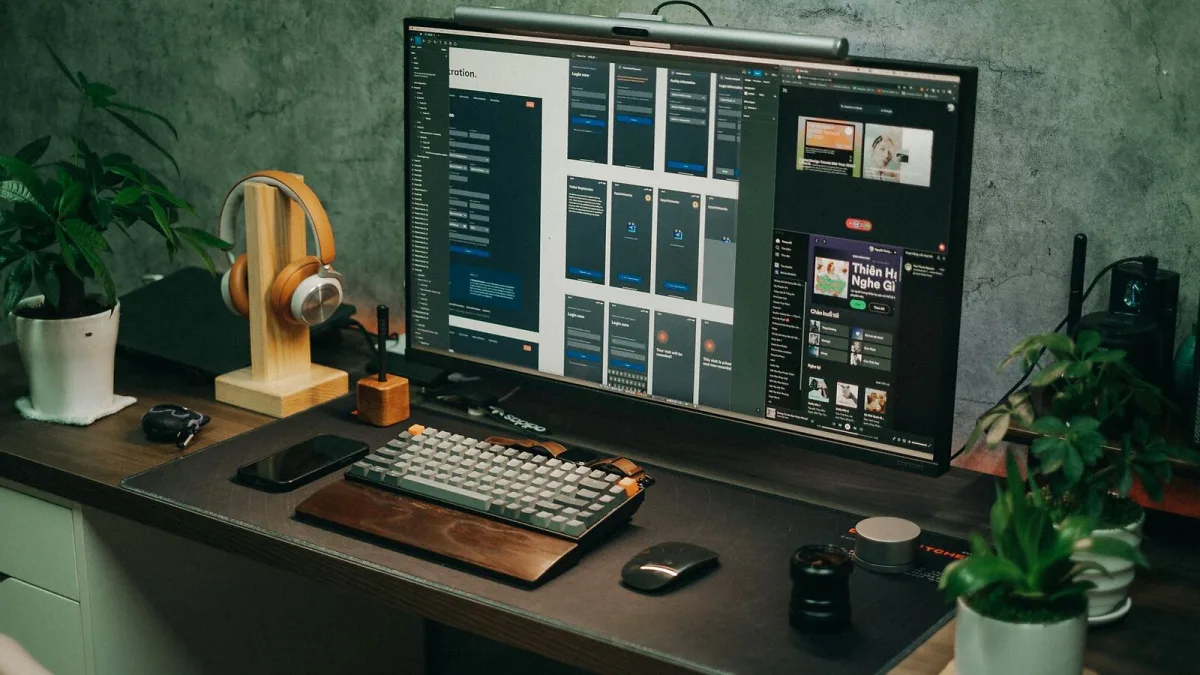
Native Instruments Komplete for Beginners: A Complete Guide

Getting started with Native Instruments Komplete for the first time can feel overwhelming. The bundle includes dozens of instruments and effects, each with its own interface, library and workflow. The key is not to use everything at once — pick a small set of instruments, learn them thoroughly, and expand from there.

Where to Begin

Start with Kontakt and one of the acoustic or orchestral libraries included in the bundle. The factory content includes piano, strings, brass, drums and more. Load a single instrument, spend time with its interface and learn to browse and load patches. Kontakt's basic operation — loading an instrument, adjusting volume and reverb, triggering from MIDI — can be learned in an afternoon. Once you are comfortable with Kontakt, try Massive X for synthesis, which opens an entirely different kind of sound design.

Native Access: Managing Your Installation

Native Instruments Komplete is installed and managed through Native Access, the company's installation manager. Download Native Access first and use it to install the products included in your edition. Install only what you think you will use initially — the full bundle requires significant storage space. You can install additional products at any time. Native Access also handles updates and licence activation. Keep it running periodically to ensure your plugins remain up to date.

Common First Steps

Load Kontakt — the heart of any Native Instruments Komplete setup — into your DAW as a plugin instrument, not as a standalone application, so it receives MIDI from your keyboard or DAW piano roll. Browse the factory library rather than internet sounds initially — the factory content is high quality and better organised than random downloads. Use the headphones output of your interface rather than your computer speakers to hear the instruments accurately. For common errors at this stage, see our mistakes guide.

Frequently Asked Questions

Which instrument should I learn first?

Kontakt is the most important instrument in the bundle and the one most worth prioritising. It is complex, but the basic operation — loading an instrument from the browser, adjusting basic parameters, triggering via MIDI — is learnable in a few hours. After Kontakt, Massive X for synthesis or Battery for drums are natural second choices depending on the music you make.

Do I need a MIDI keyboard?

Not strictly, but it helps considerably. A basic MIDI keyboard with 25 or 49 keys makes playing and programming the instruments significantly more intuitive. Most DAWs include a software keyboard for mouse-based input, which works but is slow. If you plan to use the instruments seriously, a basic MIDI keyboard is a worthwhile investment.

How long does it take to install?

The Standard edition takes several hours to download and install depending on your internet connection — the content is large. Allow a full evening or run the installation overnight. Install the instruments you plan to use first and add others later as needed. An SSD for the content location significantly improves loading times once everything is installed.

Are there tutorials available?

Yes. Native Instruments maintains a YouTube channel with tutorials for each instrument in the bundle. The Kontakt and Massive X tutorials in particular are thorough and well produced. Third-party sites including Ask.Audio, Sweetwater and macProVideo offer additional paid and free courses. Starting with the official Native Instruments tutorials and then finding third-party content for specific workflows is the most efficient approach.

Is it worth buying a Komplete Kontrol keyboard alongside the software?

If you are also buying a MIDI keyboard, yes — the integration between the Komplete Kontrol keyboard and the software is genuinely useful. The keyboard displays preset names, allows direct browsing of the instrument library and provides per-parameter control through the hardware. It is not necessary for the software to work, but if you need a keyboard anyway it is worth considering.

About Daniel Cooper

Daniel grew up in Sheffield, a city with electronic music in its bones, and spent his teens making beats on a battered laptop long before he could afford a proper studio. He's obsessed with synths, samplers and the endless tinkering of production. He writes about music software, hardware and getting good results without spending a fortune.

Comments

Leave a comment

Comments are read before they appear. Links cannot be published.

Your rating (optional)