


World Music article
The History of World Music
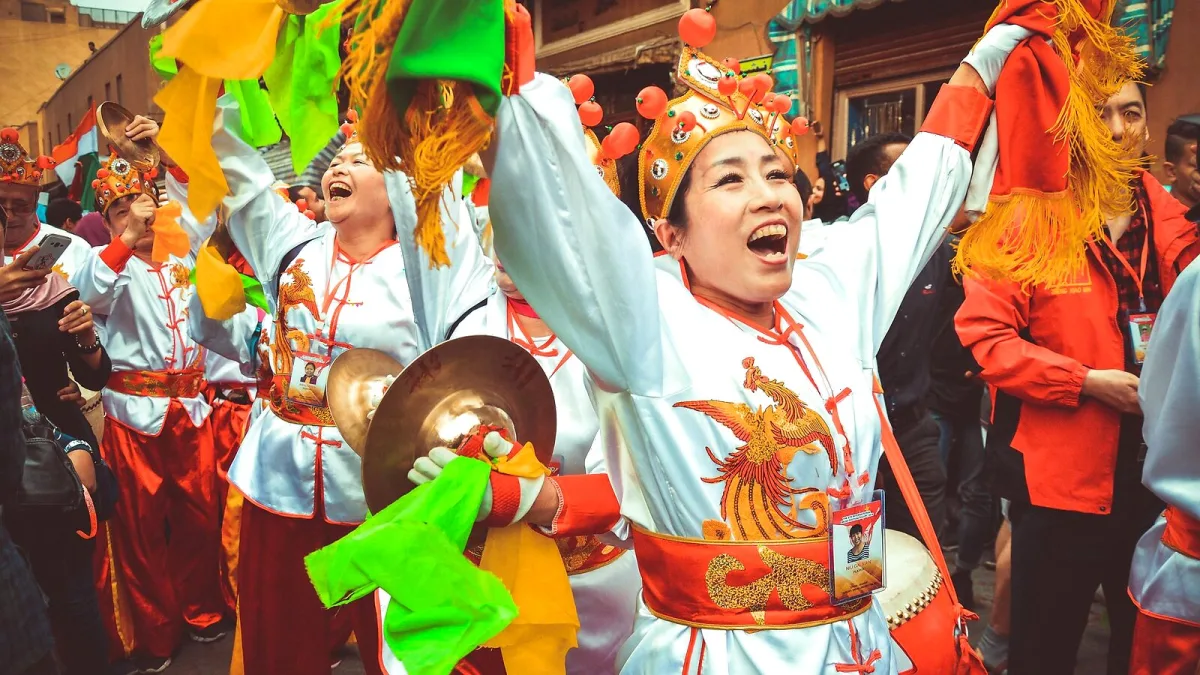
The term world music as a marketing category emerged in 1987, when a group of independent British record labels met to agree on a name for the international and non-Western music filling their catalogues. The phrase was deliberately broad — a practical shelf label more than a precise genre description. Yet it captured something real: a growing curiosity for world music from outside the Western pop mainstream, from West African highlife and Malian desert blues to Indian classical, Celtic folk and Cuban son.
Before the Label: Roots in Folk and Ethnomusicology
Long before any marketing meeting, ethnomusicologists had been documenting and archiving music from around the globe. Field recordings from sub-Saharan Africa, South Asia and indigenous communities across the Americas were circulating in academic and specialist circles from the early twentieth century. In Britain, the folk revival of the 1950s and 1960s brought renewed interest in non-commercial vernacular traditions. These currents fed into the broader curiosity that the 1987 categorisation would eventually formalise.
The 1980s: Graceland and Global Crossover
Paul Simon's 1986 album Graceland is a landmark in world music's public history. Recorded partly in South Africa with musicians including Ladysmith Black Mambazo and groups from the Johannesburg township scene, it introduced mbaqanga and isicathamiya to a mainstream audience at a time when South Africa's apartheid-era cultural boycott made the project controversial. Whatever the politics, it demonstrated that international collaborations could produce commercially successful, critically acclaimed recordings — and significantly raised the profile of South African music abroad.
The 1990s: Buena Vista, WOMAD and Mainstream Visibility
The decade brought several moments of exceptional international visibility. The Buena Vista Social Club project, produced by Ry Cooder and released in 1997, documented a group of elderly Cuban son musicians and became one of the best-selling world music recordings ever made. Peter Gabriel's WOMAD festival, launched in 1982, had by the 1990s established a global touring model that brought together artists from dozens of countries on shared stages. West African artists including Youssou N'Dour and Cesária Évora were selling records across Europe and building international careers. For guidance on where to begin listening, the beginner's guide offers a structured introduction. For key artists, the artists guide covers the essential names.





Comments