


Trance Music roundup
The Best Trance Music Artists to Know
Behind every great trance record is someone who spent years learning how to build tension and release it perfectly. Here's who's actually worth knowing.
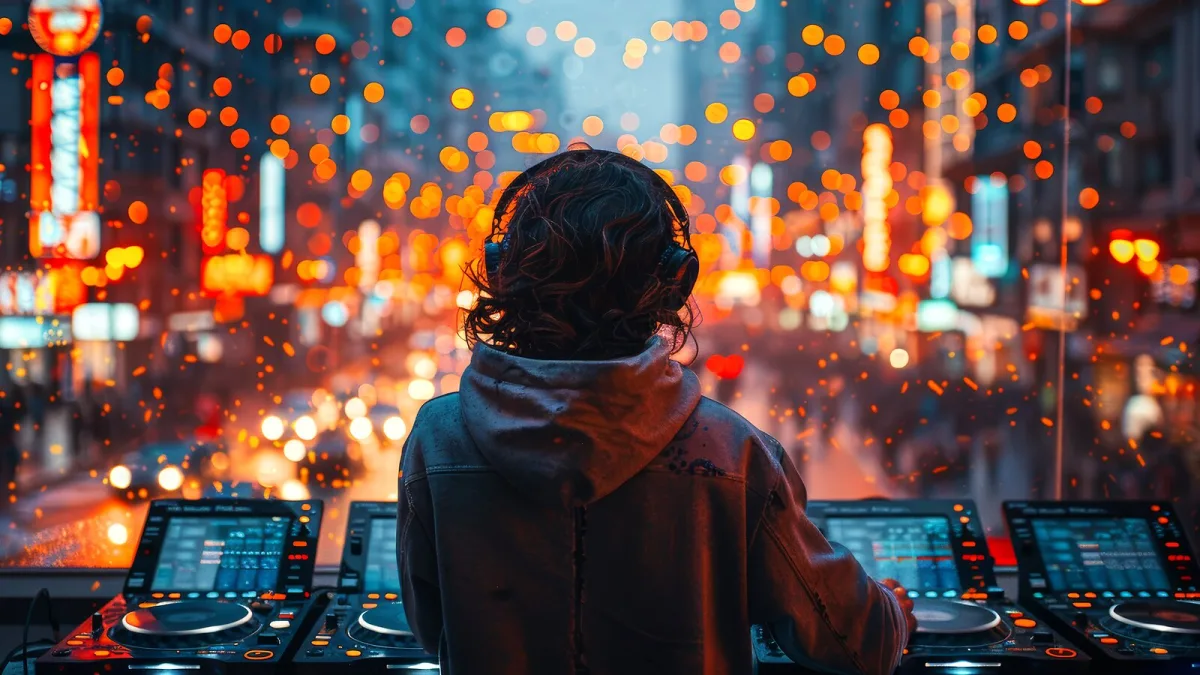
Behind every great trance music record is someone who spent years learning exactly how to build tension and then release it at precisely the right moment. Some of these names will already be familiar even if you've never consciously listened to trance music; others reward digging a little deeper. Here's who's actually worth knowing, and why.
The Elder Statesman: Sven Väth
Before trance had a name, Sven Väth was already a central figure in Frankfurt's club scene, and his influence on the genre's formative years is hard to overstate. He's associated more with the culture and the clubs than with any single crossover hit, which makes him easy to overlook if you're coming to the genre through radio and festival stages — but the DNA of what came later runs straight through him.
The Melodic Wave: Paul van Dyk, Ferry Corsten and Tiësto
This trio, more than almost anyone, is responsible for trance breaking out of clubs and into the mainstream during the late 1990s and 2000s.
- Paul van Dyk built a reputation on emotionally direct, melodic trance with a genuine sense of craft behind the euphoria — not just build-and-release, but real songwriting underneath it.
- Ferry Corsten has moved fluently between straightforward uplifting trance and more experimental, tech-leaning production, and remains one of Dutch trance's most consistently respected figures.
- Tiësto helped carry trance to genuinely massive international festival audiences before broadening into other strands of electronic dance music, making him as much a bridge to modern EDM as a trance artist in the narrower sense.
The Broadcaster: Armin van Buuren
It's hard to talk about trance music's reach without talking about Armin van Buuren. Beyond his own productions, his long-running radio show and platform A State of Trance has functioned as one of the genre's most important ongoing showcases, introducing new producers to a global audience on a weekly basis. His label, Armada Music, has similarly become a central home for contemporary trance releases.
The Progressive Wing: Sasha and John Digweed
If the artists above lean toward big, obvious euphoria, Sasha and John Digweed represent trance's more understated, progressive side — longer builds, subtler melodic moves, and a DJ culture built around the art of the extended mix rather than the standalone anthem. Their influence runs deep in progressive trance and progressive house alike.
The Atmospheric Outliers: Chicane and Robert Miles
Not every important trance artist fits the club-and-festival mould. Chicane built a career on melodic, atmospheric and often vocal-led trance that worked as comfortably on daytime radio as on a dancefloor. Robert Miles, meanwhile, is closely associated with a slower, piano-led, melancholic strain sometimes called dream trance — proof that the genre's euphoria doesn't always have to be loud to land.
The Psychedelic Branch: Astral Projection, Infected Mushroom and Astrix
Running roughly parallel to the club-and-festival story is trance's Goa and psytrance lineage. Astral Projection is a genuinely central act in that world, while Infected Mushroom pushed psytrance's psychedelic, sound-design-heavy side into new and sometimes surprising crossover territory. Astrix remains one of the scene's most prominent contemporary names. It's a different listening experience from uplifting or progressive trance — more hypnotic and rhythm-forward — but it shares the same four-on-the-floor foundation.
For more on how these strands actually differ sonically, our guide to trance subgenres lays it out clearly.
Where to Start Listening
With this many names, it's easy to feel overwhelmed about where to actually begin. If that's you, our guide for newcomers lays out a sensible listening path, and our guide to essential trance albums points you toward specific records by several of the artists above.
Newer Names Carrying the Torch
The generation that followed the genre's late-1990s and 2000s peak kept its melodic and progressive strands very much alive rather than letting them fade into nostalgia. Acts such as Above & Beyond built a devoted global following around emotionally direct, song-focused trance music with a strong live show to match, while duos like Cosmic Gate kept the uplifting, festival-scaled end of the sound moving forward. Markus Schulz and Gareth Emery are two more names regularly mentioned by long-time fans as having kept the genre's melodic core relevant well beyond its original commercial peak.
The Bottom Line
These artists didn't all sound alike, and that's rather the point — trance music has always been broader than its most obvious festival moments suggest. Knowing these names, and roughly what each one contributed, makes the whole genre click into focus a lot faster than working through a generic "best of" playlist ever could.



Comments