


Synthwave roundup
The Best Synthwave Artists to Know
No algorithm filler: here are the synthwave artists who genuinely built and shaped the scene, and where to start with each.
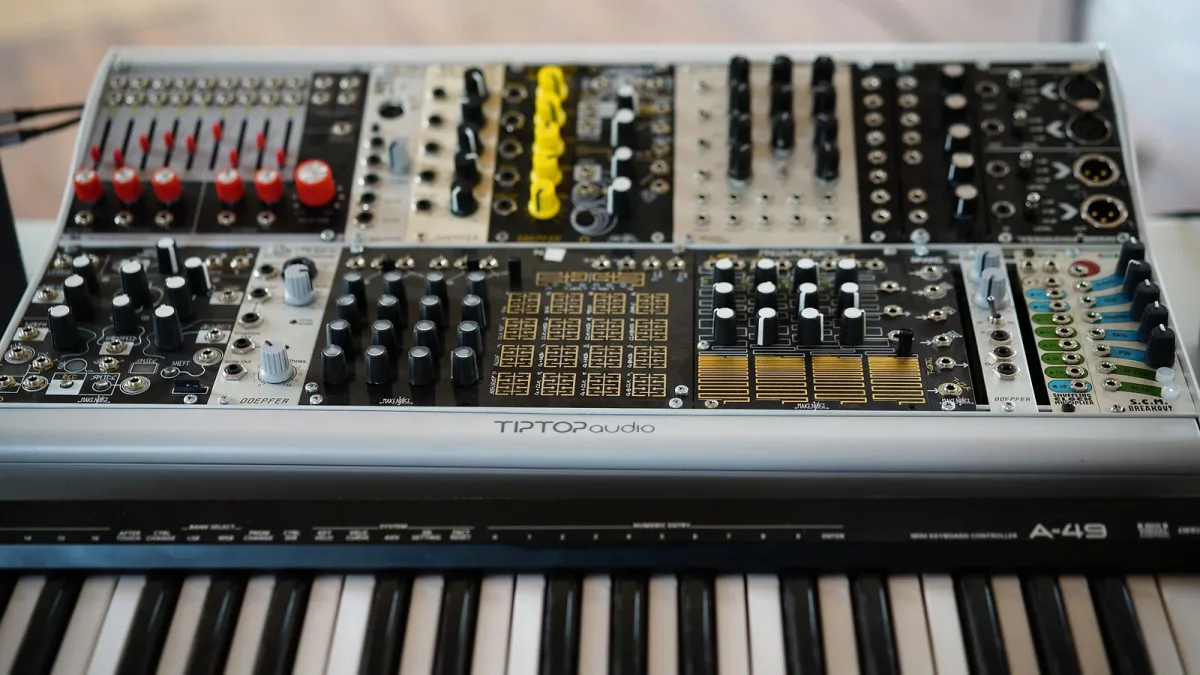
Forget the algorithm playlists for a minute. If you want to actually understand synthwave, you need the names who built it and the ones keeping it honest today. No filler here, just the artists who genuinely matter and why.
The Founders
- Kavinsky. The French producer behind "Nightcall" and the album OutRun, and about as close to a central figure as this scene has. His whole aesthetic — fast cars, neon nights, cinematic menace — became a genre template almost by accident.
- College (David Grellier). Tied to the early Valerie collective, College's softer, more melodic French productions, especially "A Real Hero" with Electric Youth, showed there was a gentler side to all this from the start.
- Electric Youth. The vocal duo behind that same track, and proof that a synth-driven sound doesn't have to be purely instrumental to hit hard.
The Ones Who Made It Heavier
Not everyone wanted nostalgia and neon. A whole strand of synthwave, usually called darksynth, exists because some producers wanted horror and menace instead of wistfulness.
- Perturbator. Arguably the genre's most recognised dark name, known for aggressive, cyberpunk-leaning production and a real connection to the video game Hotline Miami, which introduced his work to an audience well beyond electronic music circles.
- Carpenter Brut. Distorted, pounding, unashamedly metal-adjacent — his music treats horror-film imagery as a genuine aesthetic rather than a gimmick.
- GosT and Mega Drive. Two more names worth knowing if the darker, more industrial end of the sound appeals to you.
The Ones Who Made It a Song, Not Just a Vibe
Plenty of early work was purely instrumental, built for atmosphere rather than radio. These artists pushed things toward proper songwriting.
- The Midnight. Vocal-led, saxophone-heavy, and unapologetically romantic; they turned this sound into something you could genuinely sing along to.
- Gunship. Big choruses, guest vocalists, elaborate visuals — a band that treats the whole genre as a stage production, not just a studio exercise.
- FM-84. Melodic, anthemic, radio-friendly; the album Atlas and its guest vocal turns show this side of the scene at its most accessible.
The Outrun Loyalists
These are the artists who stuck closest to the driving, instrumental, car-culture roots of the sound.
| Artist | Known for |
|---|---|
| Lazerhawk | Classic instrumental outrun, heavy on driving grooves |
| Miami Nights 1984 | Cinematic, neon-noir instrumental work |
| Timecop1983 | Softer, more romantic dreamwave-adjacent outrun |
| Mitch Murder | Polished, funk-tinged retro-electronic production |
The One Who Doesn't Quite Fit the Box
Not every name commonly grouped here sits comfortably in one lane. Com Truise is regularly filed alongside synthwave, but his work — degraded, textural, rhythmically unusual — owes just as much to beat music and experimental electronics. Worth knowing precisely because he shows the label's edges are looser than a quick scroll through a playlist might suggest.
Where to Start Listening
If you're new to all this, go Kavinsky first for the sound everyone recognises, The Midnight if you want songs rather than soundscapes, and Perturbator if you fancy something with real teeth. From there, the rest of this list starts making a lot more sense.
For the fuller backstory behind these names, our history of synthwave traces how the scene actually developed, and our subgenre breakdown explains exactly what separates outrun from darksynth. New to the genre entirely? Our newcomer's guide is built for exactly that.


Comments