


Punk Rock article
Essential Punk Rock Albums Explained
The records that built punk rock's reputation, explained one album at a time.
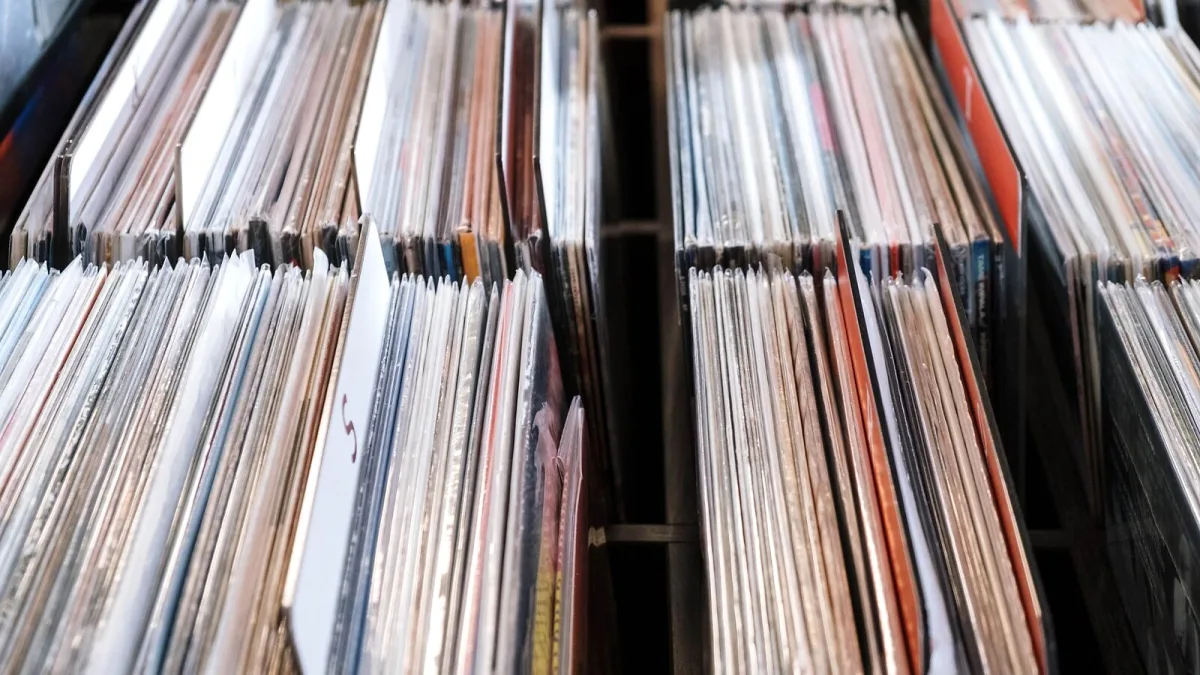
Forget the singles for a minute. Punk rock is an album genre at heart, and a handful of records did more to define it than any greatest-hits playlist ever could. These are the essential albums, why each one matters, and what it actually sounds like to press play.
The Ones That Started It
Before the scene had a house style, these records were already setting the terms everyone after them would either follow or deliberately react against.
Patti Smith — Horses (1975)
Before punk rock had rules to break, Patti Smith was already breaking them. Horses fuses garage-rock energy with genuinely literary lyrics, opening with a rewritten cover of Them's "Gloria" that announces exactly how much this record is going to bend the source material to its own ends. It still sounds like nothing else from the period, and it's a reminder that the CBGB scene was never one single sound.
Ramones — Ramones (1976)
Fourteen songs, under thirty minutes, almost no solos. This is the record that proved the genre could be a genuine songwriting discipline rather than just noise: the riffs are simple, the production is deliberately raw, and the whole thing moves so fast it barely gives you time to catch your breath between tracks. Every fast, short band since owes it something, whether they'd admit it or not.
Britain's Answer
Where New York's early records varied wildly from one band to the next, the British scene arrived with a shared sense of urgency, even as each act found its own way to express it.
Sex Pistols — Never Mind the Bollocks, Here's the Sex Pistols (1977)
The Sex Pistols only made one studio album before splitting, and it's still one of the most argued-about records in the genre. It's angrier and more controlled than the tabloid headlines around it ever suggested, and tracks like "God Save the Queen" and "Anarchy in the UK" remain as sharp today as they were meant to be at the time.
The Clash — London Calling (1979)
By their third album, the Clash had stopped being just a punk rock band and become something considerably bigger — pulling in reggae, rockabilly and jazz across a sprawling double LP without ever losing the urgency. It's often named the best rock album of its decade, punk or otherwise, and it remains the record most often handed to sceptics who think this music can't be ambitious.
Buzzcocks — Another Music in a Different Kitchen (1978)
Proof that the genre didn't need to be humourless. The Buzzcocks wrote genuinely great pop songs about heartbreak and boredom, just played faster and louder than anyone else was doing it, with a knack for a chorus that most pure pop songwriters would envy.
When It Got Heavier
Black Flag — Damaged (1981)
By 1981, Los Angeles's Black Flag had sanded away almost everything left of punk rock's original polish. Damaged is faster, rawer and considerably more aggressive than the New York and London records that came before it, and it's usually treated as the moment American hardcore properly arrived as its own distinct thing rather than a rougher cousin of the UK scene.
Dead Kennedys — Fresh Fruit for Rotting Vegetables (1980)
Sharper, faster and considerably angrier than most of what came before it, this is where American punk rock started turning into hardcore — sarcastic, political, and built for speed. Jello Biafra's lyrics aim squarely at American consumerism and politics, and the band's surf-inflected guitar sound gives the whole record a strange, almost cartoonish menace that few other hardcore albums ever matched.
Bad Brains — Bad Brains (1982)
Nobody else in the genre was doing what Bad Brains did on this record: blistering hardcore speed on one track, dub reggae calm on the next, played by a band good enough to make both convincing. It's routinely cited by later hardcore and metal musicians alike as proof of how far technical skill and raw aggression could be pushed together.
The Mainstream Breakthrough
Green Day — Dookie (1994)
Slicker and more radio-friendly than anything before it on this list, Dookie proved the genre could sell millions of copies without losing its speed or its attitude entirely. Singles like "Basket Case" and "Longview" brought a whole new, younger audience to a sound that had spent the previous decade mostly underground, and the album went on to win a Grammy.
Building Your Own Collection
Start with whichever of these speaks to you first — there's no correct order, whatever the purists say. Between them, these nine records cover the founding New York scene, the British explosion, American hardcore and the mainstream breakthrough, which is roughly the whole shape of the genre in one shelf of vinyl.
If you want names rather than records, our guide to the best punk rock artists covers the people behind these albums, and our step-by-step listening path puts these records in a sensible order if you'd rather be told exactly where to start. Prefer individual tracks to full albums? Our guide to the best songs has you covered.




Comments