

Progressive House article
The History of Progressive House
Progressive house began as a deeply British response to house music's global spread — built from dub, techno and patience, it became a genre of genuine ambition and cultural reach.
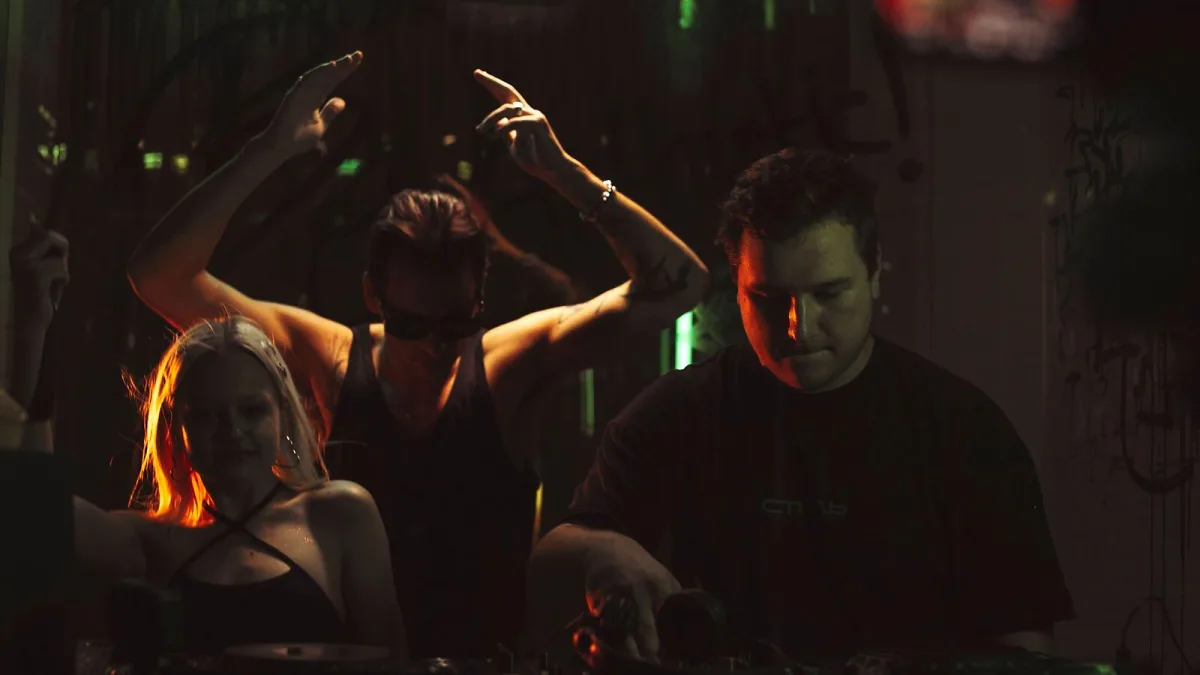
The history of progressive house is, in many ways, the history of British dance culture finding its own voice — taking American house music, running it through a European sensibility, and arriving somewhere nobody had quite been before. What emerged from the UK's early-1990s clubs set the template for a genre that would eventually fill festival stages across the world.
The Problem It Was Solving
By the late 1980s and early 1990s, British club culture was changing fast. Hardcore and rave music were becoming increasingly frenetic. American house — as originating from Chicago and New York — was commercially well established. But a generation of UK producers and DJs wanted something else: music that was deeper, longer, more patient; music that built a journey rather than delivering a series of identical peaks.
What they created drew from multiple directions simultaneously: Chicago and Detroit dance music, yes, but also European trance, Balearic island music, Jamaican dub, ambient electronics and even the long-form structural ambitions of progressive rock. The result was something distinctly British, and distinctly new.
The Early 1990s: When the Term Took Hold
The phrase "progressive house" emerged partly from UK record shops and music journalism as a way to categorise British dance music that didn't fit neatly into established boxes. Guerilla Records, according to DJ and producer Dave Seaman in comments to Insomniac, played a significant role in developing the early scene, championing artists including React 2 Rhythm, Spooky and Dr. Atomic.
Leftfield's "Not Forgotten," released in 1990, is frequently cited as an early landmark — a track that combined deep bass, hypnotic groove, space and patience in ways that marked out the genre's character. The word "progressive" was appropriate: these tracks developed. Layers arrived and departed. Nothing was rushed.
Early progressive house was often closely tied to DJ practice. Tracks were designed for mixing — DJ-friendly intros and outros, long sections that allowed seamless transitions — and for the extended dance-floor journey sets associated with clubs and warehouse parties rather than mainstream radio.
Sasha, Digweed and the International Rise
No two names are more closely associated with the mainstream expansion of progressive house — an international club phenomenon than Sasha and John Digweed. Through DJ residencies, mix compilations (including the celebrated Northern Exposure series) and a reputation for marathon sets of exceptional sequencing, they carried progressive house from its UK origins to clubs and festivals internationally.
Their approach embodied the genre's philosophy: the long-form mix as a single emotional arc, with carefully weighted transitions, slowly building energy and an almost classical sense of structure. For many listeners, their work remains the purest expression of what the genre was designed to do.
The 2000s: Polished, Melodic and Festival-Ready
By the 2000s, the genre had evolved significantly. Rui da Silva's "Touch Me," featuring Cassandra Fox, reached number one in the UK charts in 2001 — a sign of this music's growing mainstream reach. Production values became cleaner and brighter, with prominent melodic motifs, powerful low ends and large-scale builds that worked in arenas as well as intimate clubs.
Producers such as Deadmau5 and Eric Prydz became central figures in this more polished, festival-oriented era. Swedish House Mafia brought adjacent sounds to genuinely mass audiences. The underlying philosophy — gradual evolution, tension and release — remained intact, but the aesthetic distance from the deep, dub-inflected UK records of 1990 had grown considerably.
The Naming Problem
One of the style's most persistent complications is that the term has effectively become two terms. The deeper tradition of the early 1990s — associated with Guerilla Records, long DJ sets, tribal percussion and restraint — and the polished festival-EDM of the 2000s and beyond share a name but not always a sound. In online discussions, "the sound purists" may dismiss the latter as something else entirely; enthusiasts of the later sound may be entirely unaware of the former.
This ambiguity reflects something genuinely interesting about how genres evolve: they retain their names even when the music changes substantially. Labels, Beatport categories and playlist algorithms all play a role in defining what "it" means at any given moment — and those definitions shift.
A Genre That Keeps Moving
Progressive house has never stood still. Bandcamp's 2024 guide to this tradition's resurgence documents ongoing creative activity in the genre, with producers continuing to explore both the deeper traditions of the 1990s and more contemporary melodic directions. The genre's fundamental idea — building music that progresses, that rewards sustained listening, that treats the dance floor as a space for emotional development rather than instant gratification — remains as relevant now as it was when those first Guerilla Records releases found their way onto club sound systems.
For a broader introduction to the genre's sound and character, see our beginner's guide to the genre. For specific artists, head to the best artists to know. And for the albums that defined the genre at its peaks, see essential albums explained.



Comments