

Progressive House roundup
The Best Progressive House Artists to Know
Progressive house spans two distinct traditions and three decades — here are the artists who matter most across both, from the genre's foundations to its most recent forms.
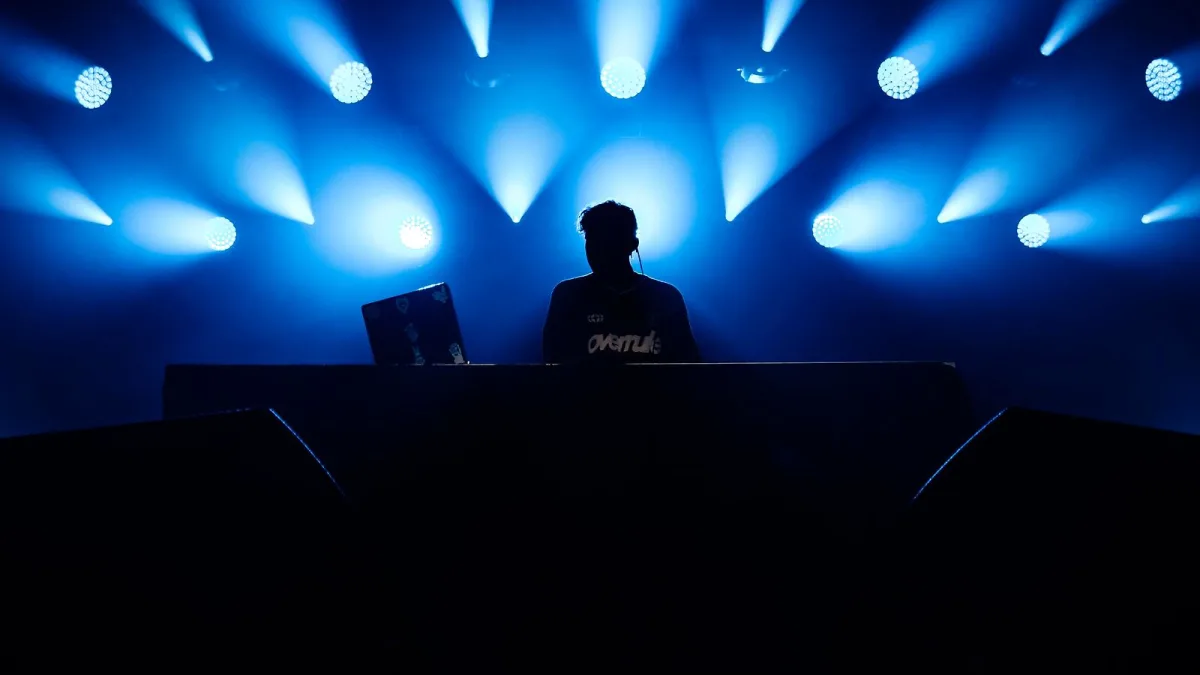
Any decent progressive house listening list has to wrestle with a fundamental question: which tradition are you following? The deep, patient UK club sound of the early 1990s, or the polished melodic EDM that carried the same name into festivals across the 2000s and beyond? The artists below matter in both traditions — and knowing where each one sits helps you understand the genre's full range.
The Architects: Where It All Began
Leftfield
No list of progressive house artists is complete without Leftfield. Their 1990 track "Not Forgotten" sits at the origin story of the genre — deep bass, hypnotic groove, an almost geological patience that set the template. Their debut album Leftism (1995) remains one of the most highly regarded electronic music records to come out of Britain.
Sasha
Sasha is the DJ's DJ in this genre. His career represents the quality ceiling that progressive house reached across the 1990s and 2000s — an ability to build emotional arcs across hours of music, weaving in tracks that build tension without releasing it too soon. His DJ-Kicks mix and the extended sets from his Twilo residency in New York are essential listening.
John Digweed
Often alongside Sasha, always with his own strong identity, John Digweed helped define what a progressive house DJ set could be. The Northern Exposure compilations (made with Sasha) and his own Bedrock label became reference points for the genre's extended, sequenced format. His consistency across decades of scene changes is remarkable.
The Scene Builders
Andrew Weatherall
Weatherall was a restless genre-blender whose remixes and productions touched progressive house, techno, acid house and post-punk. His influence runs through the early UK scene in ways that are difficult to summarise neatly. What he brought was a sensibility — an understanding that electronic music could carry real emotional and political weight.
Spooky
Spooky's productions were foundational to the Guerilla Records sound — tribal percussion, deep bass, a sense of controlled psychedelia. Not as widely known today as Sasha or Digweed, but important to understanding the early British the genre character.
The Bridges: Artists Who Crossed into Mainstream
Eric Prydz
Eric Prydz has done more than almost anyone to demonstrate this music's potential for dramatic emotional impact at scale. Tracks like "Pjanoo" and his extended live sets operate on the genre's fundamental principles — slow build, delayed release, patient layering — but in a cleaner, more contemporary sonic context. His Holosphere live experience is one of electronic music's more ambitious productions.
Deadmau5
the style's most recognisable name in the mainstream over the past two decades. Deadmau5's productions — particularly "Strobe," which has achieved something close to canonical status — demonstrate how the genre's philosophy of gradual evolution translates to a studio context. His work is more technically precise and less groove-led than the early UK tradition, but the progressive DNA is unmistakable.
The Label Builders
Above & Beyond and Anjunabeats
Anjunabeats occupies the trance-adjacent edge of the sound's extended family. Above & Beyond helped establish the label as a home for melodic, emotionally resonant electronic music with broad international reach. The label's compilations are as useful for understanding what it sounds like today as any individual track.
The Newer Wave
The genre has never stopped producing significant artists. Producers working across Bandcamp, Beatport and streaming platforms continue to develop both the deeper club tradition and more melodic directions. Names like Innellea, Patrice Bäumel and Recondite represent the current generation's engagement with the format's core ideas, though genre classifications remain fluid and contested.
For deeper background on these artists' context, read the history of the genre. For records to start with, see essential albums explained. And if you want the tracks themselves, see the best genre songs.



Comments