


Soft Rock roundup
The Best Soft Rock Songs Right Now
Forget chart position or release date. These are the songs that keep getting played at weddings, in kitchens and on long drives, decade after decade.
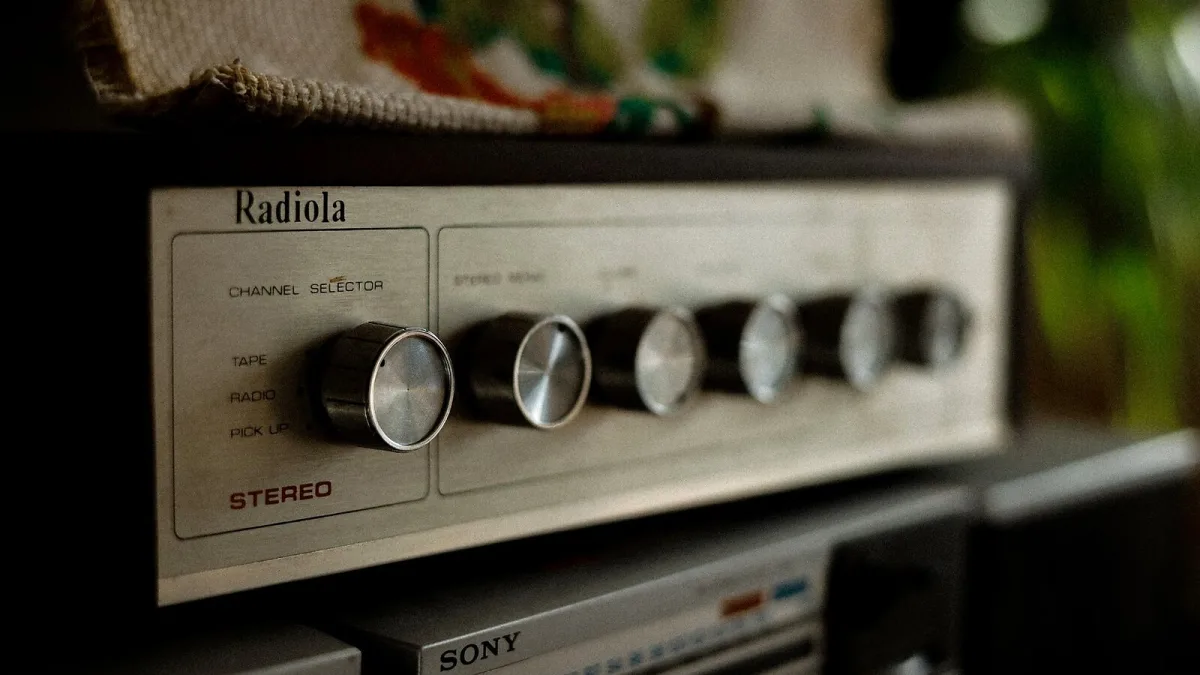
Forget "right now" in the chart sense — these essential soft rock songs don't need a release date to matter. Some are pushing sixty years old and still get played at weddings, in kitchens and on long drives, which is about as good a definition of staying power as any genre could ask for.
The Songs That Started It
James Taylor's "Fire and Rain" (1970) does an enormous amount with very little — a plainly sung verse, an unfussy arrangement, and a lyric that never once oversells its own sadness. Carole King's "It's Too Late" (1971) does something similar from a different angle: a relationship ending, described without melodrama, carried by a groove that somehow still feels warm. Both songs proved that quiet, direct storytelling could sit comfortably on the radio next to much louder rock records. America's "A Horse with No Name" (1972) took a slightly different route into the same territory, built almost entirely from close acoustic-guitar harmony and a hypnotic, repetitive groove rather than a conventional pop structure — proof the genre had room for something a little stranger than a straightforward love song.
The Songs Everyone Actually Knows
The Carpenters' "Rainy Days and Mondays" (1971) turned Karen Carpenter's restrained, controlled vocal into something quietly devastating, and Bread's "Baby I'm-a Want You" (1971) showed just how much romantic directness a simple verse-chorus structure could carry. These are the songs that made this style genuinely mainstream, not just critically respected — the kind of tracks people know the words to without ever consciously learning them.
The Songs That Went Big
Among the best-known soft rock songs of the era, Fleetwood Mac's "Dreams" (1977) is built from almost nothing — a simple bassline, a hushed vocal — and yet it became one of the band's biggest hits, helped along by a songwriting story (the band's own personal upheaval) that gave every line extra weight. Supertramp's "The Logical Song" (1979) went the opposite route, wrapping a genuinely unusual, almost philosophical lyric in one of the most instantly hummable keyboard hooks of the decade. You can read more about the records these two singles came from in our guide to essential soft rock albums.
The Songs That Kept the Sound Alive
Hall & Oates' "You Make My Dreams" (1980) pulled a sharper, more rhythmic edge into the genre just as the decade was turning, and it's aged into one of the most enduringly cheerful songs of the era. It's a useful reminder that the style didn't freeze in the mid-1970s; it kept absorbing new influences right up until it blurred into adult contemporary radio almost entirely. Even within one decade, the gap between "Fire and Rain" and "You Make My Dreams" is enormous — one nearly whispered, the other built for a full singalong — and both are still recognisably part of the same tradition.
Why These Particular Songs
None of these soft rock songs were picked for chart position, and a couple of them barely resemble each other in tempo or arrangement. What they share is restraint used well: a vocal that's allowed to lead, a lyric that says what it means, and production that supports the song rather than competing with it. That combination is harder to pull off than it sounds, which is exactly why so few of the imitators from the same era are still remembered.
A Quick Reference
- Early foundation: "Fire and Rain" (James Taylor), "It's Too Late" (Carole King)
- Mainstream breakthroughs: "Rainy Days and Mondays" (The Carpenters), "Baby I'm-a Want You" (Bread)
- Peak-era hits: "Dreams" (Fleetwood Mac), "The Logical Song" (Supertramp)
- Later evolution: "You Make My Dreams" (Hall & Oates)
The Bottom Line
What ties these soft rock songs together isn't a chart position or a release year — it's a habit of saying something plainly and trusting the melody to carry the rest. That's as true of a 1970 James Taylor recording as it is of anything released this decade in the same spirit. If you'd rather explore full records than individual tracks, our essential albums guide is the natural next step, and our roundup of essential artists puts fuller careers around every name here.




Comments