


Soft Rock article
A Beginner's Guide to Soft Rock
"Soft" doesn't mean lazy. It means the edges got sanded off. Here's what the genre actually is, where it came from, and who to hear first.
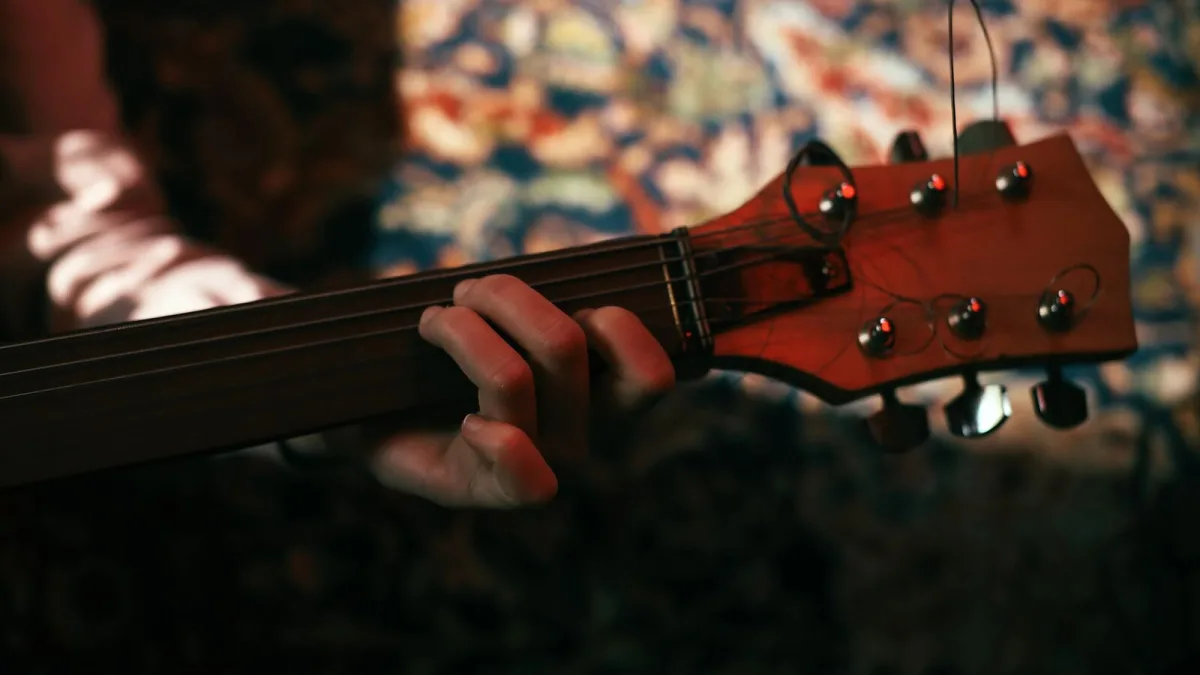
Soft rock gets a rough ride from people who think "soft" means "lazy." It doesn't. It means the edges got sanded off — the distortion, the shouting, the aggression — and what's left is melody, harmony and songs built to actually connect with someone. Here's what soft rock actually is, where it came from, and who to hear first.
What "Soft" Actually Means Here
Nobody's saying this music is simple. A record in this style can carry proper harmonic complexity, layered backing vocals and arrangements that took real graft to put together — what it deliberately avoids is the overt aggression of hard rock or heavy blues rock. Think clean or lightly overdriven guitars instead of screaming riffs, restrained drums that support the vocal rather than fighting it, and a mix built for warmth over punch.
The songs tend to lean on strong, memorable melodies and straightforward verse-chorus structures, with acoustic guitar, piano or electric piano doing most of the harmonic heavy lifting. Lyrically, you're mostly in the territory of love, separation, reassurance and looking back — direct, emotional, rarely cryptic.
How to Actually Spot It
If you're trying to work out whether something counts, listen for the combination rather than any single feature. The drums sit under the vocal instead of driving the track. Guitars are clean, compressed or gently chorused rather than distorted. Piano or electric piano usually anchors the harmony, with strings, saxophone or a synthesiser used for colour rather than as the main event. Backing vocals are stacked carefully, and the whole mix favours warmth and clarity over raw impact. None of that requires the music to be dull — some of the era's most technically demanding session playing happened inside exactly this kind of arrangement.
Where It Came From
This style became a genuine, recognisable thing in the late 1960s and early 1970s, growing out of folk rock, the singer-songwriter boom and a general softening of mainstream rock's edges. Bread, the Carpenters, James Taylor and Carole King set the early template, and the whole story of how it developed — and where it went next — is covered properly in our history of soft rock.
Its Cousins, and Where the Lines Blur
This genre has a habit of bleeding into its neighbours, which is exactly why the labels get confusing. Here's a rough sense of where it sits next to the styles it's most often mixed up with:
| Related genre | How it differs |
|---|---|
| Folk rock | More acoustic and roots-focused, less studio polish |
| Adult contemporary | A radio format it heavily overlapped with by the late 1970s |
| AOR (adult-oriented rock) | Very close cousin; can shade into harder guitar-driven territory |
| Yacht rock | A later nickname for the smoothest, most session-musician-polished end of the sound |
None of these boxes are watertight — artists like the Eagles, Fleetwood Mac and Supertramp all worked across several of them at once. If you want the full breakdown of how these branches relate, our guide to soft rock subgenres untangles it properly.
Who to Actually Listen To
If you want names rather than theory: Bread, the Carpenters, James Taylor and Carole King for the early-1970s foundation; Elton John and Chicago for the piano-and-brass end of things; the Eagles and Fleetwood Mac for the polished, band-driven side; and Supertramp and Hall & Oates for something a bit more keyboard-heavy and sophisticated. Our full artist roundup goes much deeper into each of them, and it's worth remembering that most of these acts worked across several styles rather than sticking rigidly to one lane.
The Bottom Line
Soft rock isn't a lesser version of rock music — it's rock music that made a deliberate choice to prioritise melody and craft over volume. Once you stop expecting soft rock to sound like anything else, it makes a lot more sense on its own terms. New to all this? Our newcomer's guide keeps things simple, and our guide to essential albums puts specific records in front of you rather than just names.





Comments