


Folk Rock article
The History of Folk Rock
One electric guitar plugged into a folk song in 1965 changed everything that followed — here's the whole story, in order.
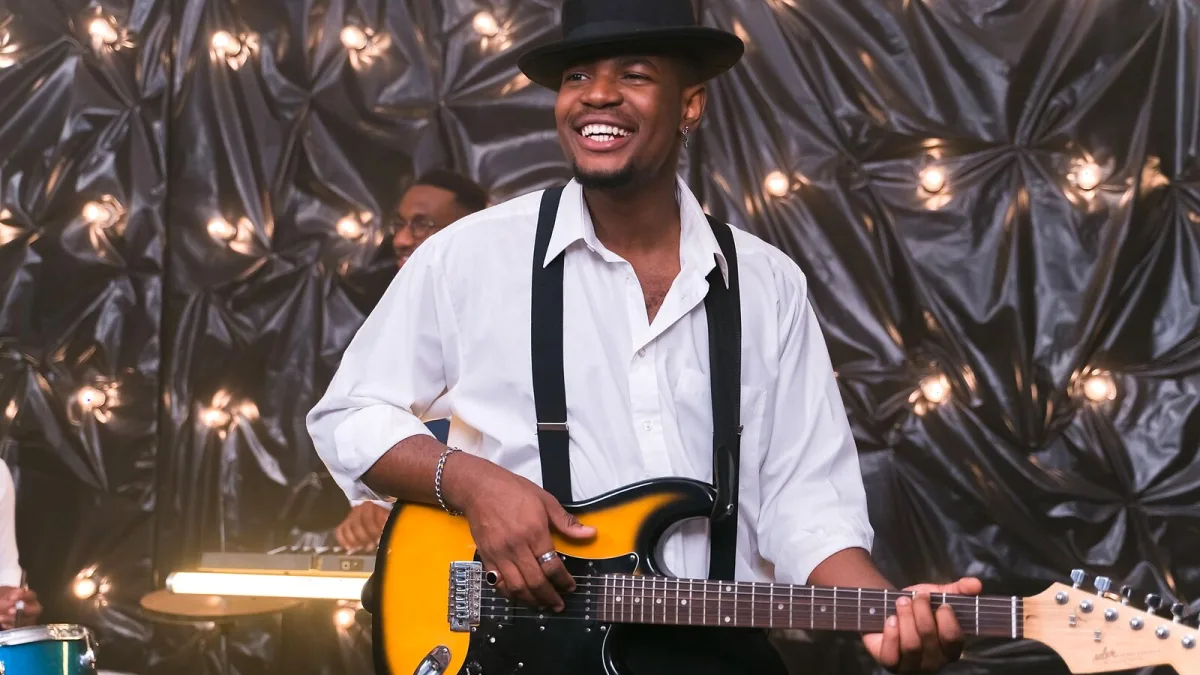
Every genre has a moment you can point to and say "there, that's where it changed." For this one, it's 1965, a handful of musicians on two different continents, and an electric guitar plugged into a folk song that wasn't supposed to have one. Here's how it actually happened, in order.
Before the Name Existed
The story starts with the American folk revival, which had already made performers like Bob Dylan household names among a young, politically engaged audience armed with nothing louder than an acoustic guitar. At the same time, an ocean away, the Beatles and the rest of the British Invasion were proving that electric guitar bands could dominate the charts. Two separate musical worlds, moving toward each other without quite meeting yet.
1965: The Byrds Plug In Dylan
The meeting point arrived when a Los Angeles band called the Byrds took Dylan's "Mr. Tambourine Man," gave it jangling electric 12-string guitar and tight vocal harmonies, and released it as their debut single in 1965. It became a hit, and almost overnight it gave the emerging sound a commercial blueprint: folk songwriting, rock arrangement, no apology for either half.
Dylan himself was moving in the same direction that very year. Bringing It All Back Home (1965) split its running time between acoustic and electric material, and Highway 61 Revisited, released later the same year, went electric outright. His controversial electric set at the 1965 Newport Folk Festival is often cited as the symbolic flashpoint of this shift — accounts of exactly what happened on stage vary, but the broader fact isn't in dispute: by the end of 1965, Dylan's sound had unmistakably plugged in.
Who Actually Started It?
There's no single, uncontested answer, and it's worth resisting anyone who tells you there is. Dylan and the Byrds were developing closely related ideas at roughly the same time, on the same coast, drawing from the same folk revival. The Byrds are usually credited with the sound and commercial breakthrough; Dylan is credited with pushing folk songwriting itself toward electric, band-based rock. Both things are true at once.
America Branches Out
Once the template existed, American acts ran with it in different directions. Buffalo Springfield pushed it toward country rock and West Coast harmony. Simon & Garfunkel brought a more melodic, pop-adjacent sensibility. Crosby, Stills & Nash carried the harmony-driven, politically engaged strand of the sound into the end of the decade. By the early 1970s, Neil Young's Harvest (1972) showed how far acoustic songwriting could stretch into full rock and orchestral arrangement without losing its folk core.
Britain Builds Its Own Version
British musicians took the same basic idea — folk songwriting plus rock arrangement — and pointed it at their own traditional material instead of Dylan's songbook. Fairport Convention became the genre's defining British act, and their 1969 album Liege & Lief is widely treated as the record that proved traditional English, Scottish and Irish ballads could carry the force and scale of a full rock band. Fiddle-led arrangements, ballad forms and electric versions of centuries-old songs became the hallmark of the British strand, distinct from its American cousin even as both shared a name.
The Sound Keeps Moving
The genre never really stopped evolving after its 1960s breakthrough. Nick Drake, Richard and Linda Thompson and Steeleye Span carried the British folk-rock lineage through the 1970s. Decades later, Fleet Foxes revived layered vocal harmony and acoustic texture for an entirely new generation, while Mumford & Sons brought roots instrumentation to arena-sized rock dynamics. The names change; the basic tension between folk's intimacy and rock's lift hasn't. If you want to meet the people behind these moments properly, our guide to the genre's best artists covers them in more depth.
Why the Boundaries Still Blur
Ask five people whether a given record counts as folk rock, country rock, Americana or indie folk, and you may get five different answers — and none of them would be wrong. That's normal for a genre defined more by a relationship between two traditions than by a fixed rulebook. Our breakdown of the genre's subgenres untangles exactly where those lines get drawn.
The Bottom Line
What began as a handful of musicians treating folk songs like rock songs in 1965 became one of the most durable ideas in popular music: that a song can be plainly told and still hit hard. Sixty years on, artists are still finding new ways to balance that same equation. For the albums that map this story record by record, see our guide to essential folk rock albums.






Comments