


Folk Rock article
Essential Folk Rock Albums Explained
The genre's whole story, told through six records — here's what to play, and in what order.
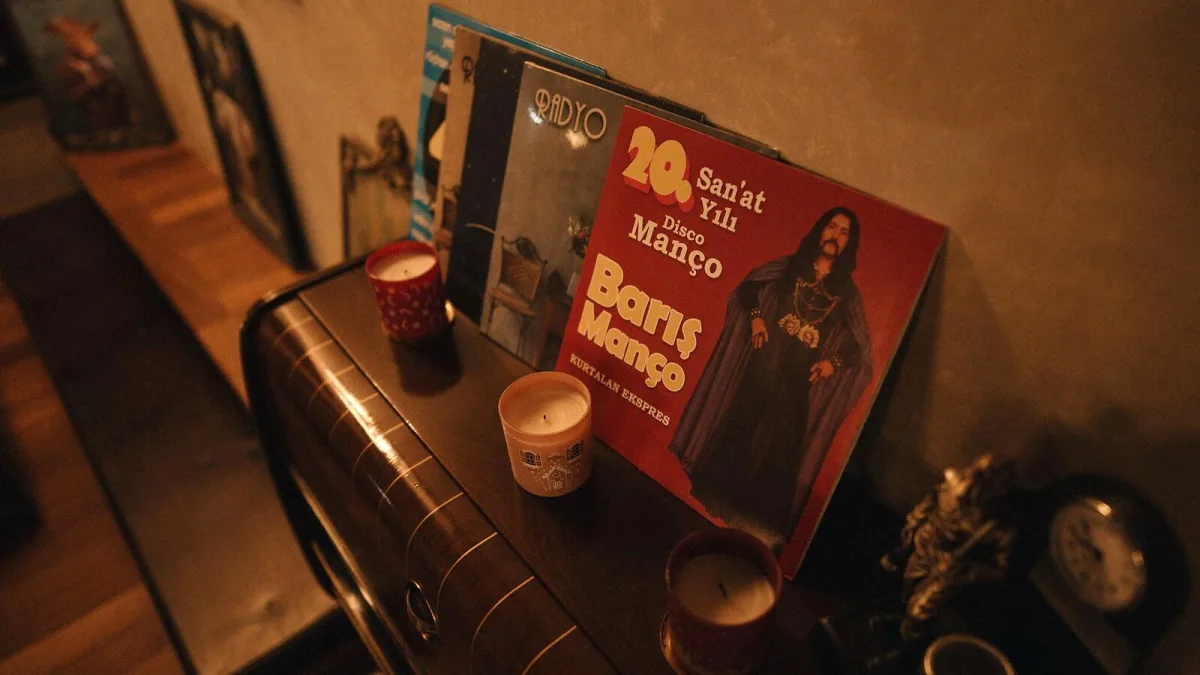
Some genres are best learned song by song. Folk rock, I'd argue, is best learned album by album — the records themselves tell the story better than any potted history can. Here are the essential ones, in the order that makes most sense to hear them.
Mr. Tambourine Man — The Byrds (1965)
Start here, because almost everything else on this list is answering the question this record asked first. The Byrds took Dylan's own "Mr. Tambourine Man," gave it a chiming electric 12-string guitar and tight vocal harmony, and turned a folk song into a rock single that actually charted. It's the moment the whole idea of folk rock became commercially real rather than theoretical.
Bringing It All Back Home — Bob Dylan (1965)
Released the same year, this is Dylan's own hinge point: one side still largely acoustic, the other going electric outright. Hearing it in sequence is the best way to understand exactly what changed in his songwriting once a full band arrangement was behind it, rather than just his voice and a guitar.
Highway 61 Revisited — Bob Dylan (1965)
Where Bringing It All Back Home hedges, this one commits completely. By the time this record came out later in 1965, Dylan's transition to electric rock was no longer a transition — it was simply where he was. It's essential listening for understanding how far the songwriting could travel once it stopped worrying about staying acoustic.
Liege & Lief — Fairport Convention (1969)
The record that gave the British side of the genre its own identity, separate from Dylan's songbook entirely. Fairport Convention arranged traditional English, Scottish and Irish ballads — songs that had been sung for generations before amplifiers existed — with the scale and force of a full rock band. If the Byrds' record answers "can folk become rock?", this one answers "can centuries-old ballads survive it?" The answer, emphatically, is yes.
Harvest — Neil Young (1972)
By the early 1970s, the genre had room to breathe differently. Young's Harvest shows how far an acoustic, folk-rooted core could stretch into fuller rock and even orchestral territory without losing its intimacy. It's a useful bridge between the genre's 1960s origins and the singer-songwriter records that dominated the following decade.
Fleet Foxes — Fleet Foxes (2008): Modern Folk Rock
Nearly four decades after Liege & Lief, this self-titled debut proved the same basic tension — folk's intimacy against rock's scale — still had somewhere new to go. Layered vocal harmony and acoustic texture, filtered through a much more modern production sensibility, introduced an entire generation of listeners to ideas the genre had been working through since 1965.
The Essential Folk Rock Listening Order
| Album | Artist | Year | Why it matters |
|---|---|---|---|
| Mr. Tambourine Man | The Byrds | 1965 | The genre's commercial breakthrough |
| Bringing It All Back Home | Bob Dylan | 1965 | Dylan's hinge between acoustic and electric |
| Highway 61 Revisited | Bob Dylan | 1965 | Full commitment to electric rock |
| Liege & Lief | Fairport Convention | 1969 | Defines the British, traditional-ballad strand |
| Harvest | Neil Young | 1972 | Acoustic core stretched into fuller rock |
| Fleet Foxes | Fleet Foxes | 2008 | The idea reborn for a modern audience |
Play them in that order and you're essentially hearing folk rock's whole arc in six records. For the people behind them, our guide to the best artists fills in the rest of each act's story, and our history of the genre connects the dots between them chronologically.
The Bottom Line
Six albums, four decades, two continents, and one enduring idea: that folk's storytelling and rock's force were always meant to share a stage. If you're brand new to all of this, our newcomer's guide turns this same list into a gentler starting path.





Comments