


Emo article
A Beginner's Guide to Emo
Emo isn't a haircut — it's rock music that puts honest emotion right at the front. Where it came from, how it changed, and the albums to start with.
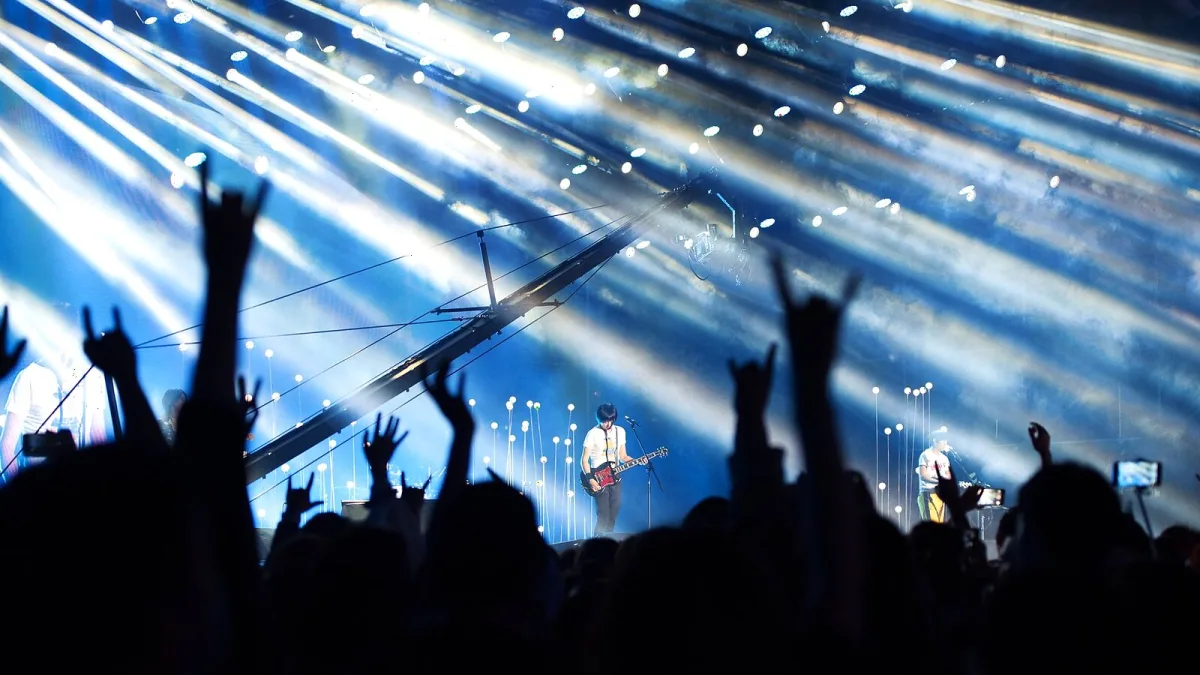
Let's clear one thing up straight away: emo is not a haircut. It's not eyeliner and skinny jeans either, whatever the 2000s told you. Strip all that away and emo is something much simpler and much tougher — a tradition of rock music that puts honest, uncomfortable emotion right at the front. If you're new to it, forget the fashion and follow the feeling. Here's where it comes from and where to start.
What emo actually is
At its core, emo is emotionally direct songwriting: dramatic quiet-to-loud dynamics, melodic tension, and lyrics about memory, isolation, relationships and self-examination, delivered like they cost the singer something. There's no single mandatory sound — it has shifted a lot over forty years — but that raw honesty is the thread running through all of it.
Where it started: Washington, D.C., 1985
Emo was born in the mid-1980s D.C. hardcore-punk scene, around what people call “Revolution Summer” in 1985. The band almost everyone points to is Rites of Spring, whose 1985 self-titled album took hardcore's speed and aggression and aimed it inward, at feelings instead of slogans. Embrace, led by Ian MacKaye (later of Fugazi, and co-founder of Dischord Records), came out of the same scene. This early strain got tagged “emotional hardcore”, or emocore — and, tellingly, most of the musicians never much liked the label. That's worth remembering: emo was named from the outside, and it's been argued over ever since.
The 1990s: emo grows up
In the '90s the music opened right out. Bands kept the intensity but added melody, dynamics and proper arrangements. The record everyone should hear is Sunny Day Real Estate's Diary (1994) — post-hardcore power welded to soaring, melodic guitar work, and a bridge to almost everything that followed. Around it, Jawbreaker, Braid and Jimmy Eat World pushed emo toward melodic punk, intricate indie rock and, eventually, real hooks. American Football's 1999 debut later became the touchstone for the intricate, chiming style people now call Midwest emo.
The 2000s: emo goes massive
This is the era most people picture, for better or worse. Through relentless touring, music TV and early internet fandom, emo-associated bands got huge: Jimmy Eat World and Dashboard Confessional broke through early in the decade, then My Chemical Romance, Fall Out Boy, Thursday and Paramore took it to arenas. “Emo” got stretched to cover emo, pop-punk, post-hardcore and theatrical rock all at once — which is exactly when the arguments about what “counts” really kicked off. Don't get bogged down in them; the music's the point.
Midwest emo and the “twinkly” guitar
You'll hear the term Midwest emo a lot. It's an informal tag, not a strict rulebook, for a style built on open strings, arpeggios, unusual chord shapes and guitar parts that interlock instead of just chugging power chords — those bright, chiming lines fans call “twinkly.” Funnily enough, one of its biggest influences, Sunny Day Real Estate, came from Seattle, not the Midwest. Like a lot of emo, the name describes a sound and a network more than a place.
The revival: emo never really left
The 2010s brought it all back round, with new bands drawing on '90s and 2000s emo, math rock and DIY punk. The Hotelier's Home, Like Noplace Is There (2014) turns up in most revival guides, alongside the likes of Modern Baseball, Touché Amoré and Foxing. With it came a renewed love of independent labels, DIY touring and cassette and vinyl releases — the scene doing what it always did, just for a new generation.
Emo, pop-punk or post-hardcore?
People tie themselves in knots over this, so here's the honest version: the boundaries are blurry and always have been. Emo leans on emotional, confessional songwriting and dramatic dynamics; pop-punk is faster, brighter and hookier; post-hardcore keeps more of hardcore's aggression and experimentation. Loads of bands sit in the overlap, and that's fine. Don't let anyone gatekeep you out of music you love over a label.
How to listen your way in
Want a route through it? This isn't the definitive canon — it leaves out plenty of regional scenes and artists — but it'll take you from the roots to now:
- Rites of Spring — Rites of Spring (1985)
- Sunny Day Real Estate — Diary (1994)
- Jawbreaker — Dear You (1995)
- American Football — American Football (1999)
- Jimmy Eat World — Clarity (1999)
- Thursday — Full Collapse (2001)
- My Chemical Romance — The Black Parade (2006)
- The Hotelier — Home, Like Noplace Is There (2014)
The honest bottom line
One last thing about those “first wave, second wave, third wave” timelines you'll see everywhere — they're handy for beginners but they're teaching tools, not gospel, and writers can't even agree on them. So don't overthink it. Emo has always been about feeling something and admitting it out loud. Put a record on, turn it up, and let it hit. That's the whole point.




Comments