


Dream Pop article
The History of Dream Pop
From 4AD's early 1980s experiments to Beach House's 2010s breakthrough, the history of dream pop is one of quiet persistence and gradual reinvention.
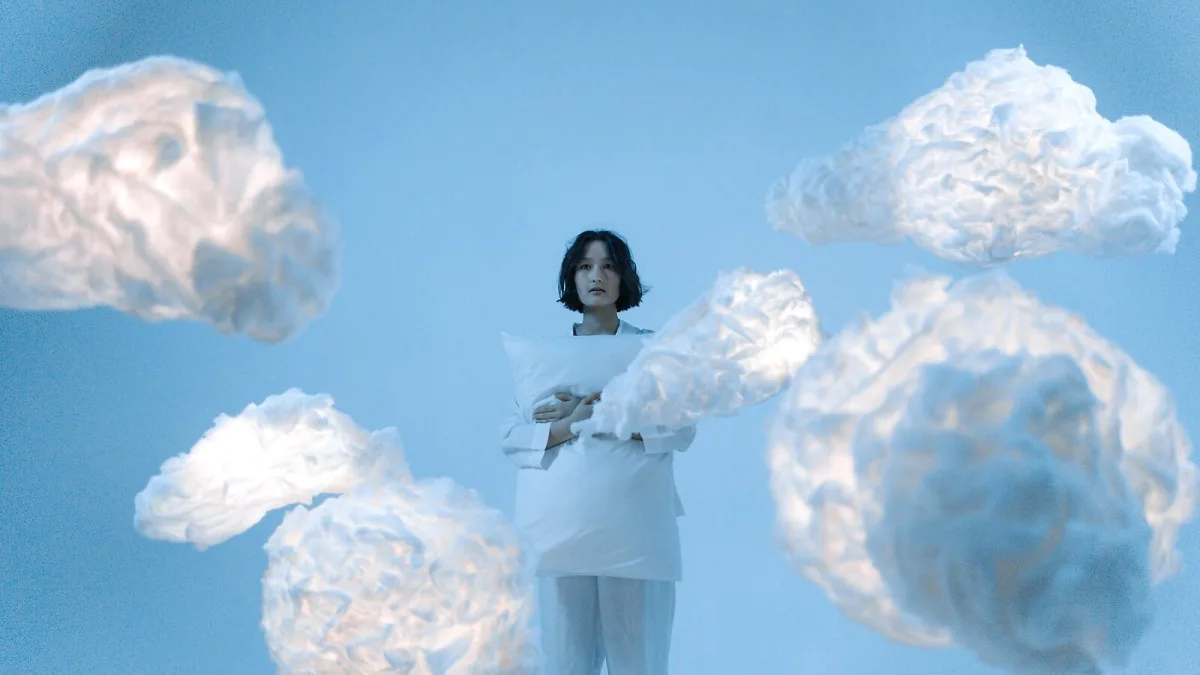
Music histories are full of genres that announced their own arrival with a manifesto or a pivotal gig. Dream pop did neither. It gathered slowly, through a series of records released by a handful of independent labels in the early 1980s, each one making a quiet argument for a different kind of guitar music: slower, richer, more interested in feel than force.
The 4AD Moment
The story begins in earnest around 1982, at London's 4AD label. Founded in 1980 by Ivo Watts-Russell and Peter Kent, 4AD had started releasing post-punk records, but Watts-Russell's instincts were pulling him toward something more atmospheric and emotionally open. The Cocteau Twins — a trio from Grangemouth in Scotland, comprising Robin Guthrie, Will Heggie and vocalist Elizabeth Fraser — arrived on the label in 1982 with their debut album Garlands. It was confrontational and dark, still rooted in post-punk, but the production choices pointed somewhere new.
Over the next eight years, the group evolved dramatically. By Heaven or Las Vegas (1990), they had arrived at something unlike anything else: cascading guitar arpeggios in reverb, Fraser's voice leaping across octaves in what sometimes sounded like an invented language, and a production density that felt like drowning in a very pleasant way. These records became the template much of the genre has followed ever since.
America Finds Its Own Route
While 4AD was defining the British strand, American artists were developing parallel approaches. Julee Cruise — working with composer Angelo Badalamenti and director David Lynch — released Floating Into the Night in 1989, a record that placed torch singing in an ambient dreamscape. It reached a wide audience partly through the Twin Peaks television series and brought a distinctly cinematic quality into the conversation.
Mazzy Star, formed in Los Angeles by guitarist David Roback and singer Hope Sandoval, took a different route again — country structures, slide guitar, Sandoval's hushed and intimate delivery — creating a version of the aesthetic rooted in the American West rather than the British post-punk underground. Their 1993 album So Tonight That I Might See remains one of the genre's most popular records, and "Fade Into You" became perhaps its most recognisable single track.
The Shoegaze Overlap
By the early 1990s, a related British movement had emerged: shoegaze. Bands including My Bloody Valentine, Lush and Slowdive shared the love of effects-heavy guitars and a detached vocal approach, but pushed the volume and density much further than most dream pop acts. The two traditions existed in dialogue. Lush, in particular, crossed between them freely, with albums like Spooky (1992) sitting comfortably in either category.
Music journalists used the terms interchangeably for a time, though the distinction gradually solidified: shoegaze toward noise and dissonance, dream pop toward delicacy and melodic clarity. Both were eventually overshadowed by the commercial explosion of Britpop in the mid-1990s, which pushed atmospheric guitar music to the margins for several years.
Revival and the Beach House Era
The tradition didn't disappear — it went underground and then resurfaced. In the 2000s, a second wave of artists began reassembling the elements. Beach House, formed in Baltimore in 2004 by Victoria Legrand and Alex Scally, became the most important act of this period: consistent, prolific and capable of making the aesthetic connect with a broad audience. Their run of albums from Devotion (2008) through to 7 (2018) reestablished dream pop as a living, commercially viable tradition.
Grouper — the project of Portland-based artist Liz Harris — pursued a more underground path, combining hushed vocals with tape manipulation and ambient production to create some of the most genuinely otherworldly records the genre has seen. Her 2008 album Dragging a Dead Deer Up a Hill is essential listening for anyone who wants to understand how far the aesthetic can be pushed.
Where the Genre Stands Now
Today, dream pop sits at the centre of a broad constellation of related sounds. Bedroom pop, lo-fi indie and ambient pop all share its DNA. Artists like Japanese Breakfast, Weyes Blood and Warpaint draw on its vocabulary without defining themselves by it. The Cocteau Twins' back catalogue has found a vast new audience through streaming. Beach House continue to tour to sizeable crowds. It is a genre that has outlasted several predictions of its obsolescence and shows no sign of stopping. For more detail on who is carrying it forward, see our guide to the best dream pop artists and our essential albums guide.




Comments