


Dream Pop article
A Beginner's Guide to Dream Pop
Reverb-soaked guitars, ethereal vocals and a sound built for late-night listening — this is dream pop, one of music's most beguiling corners.
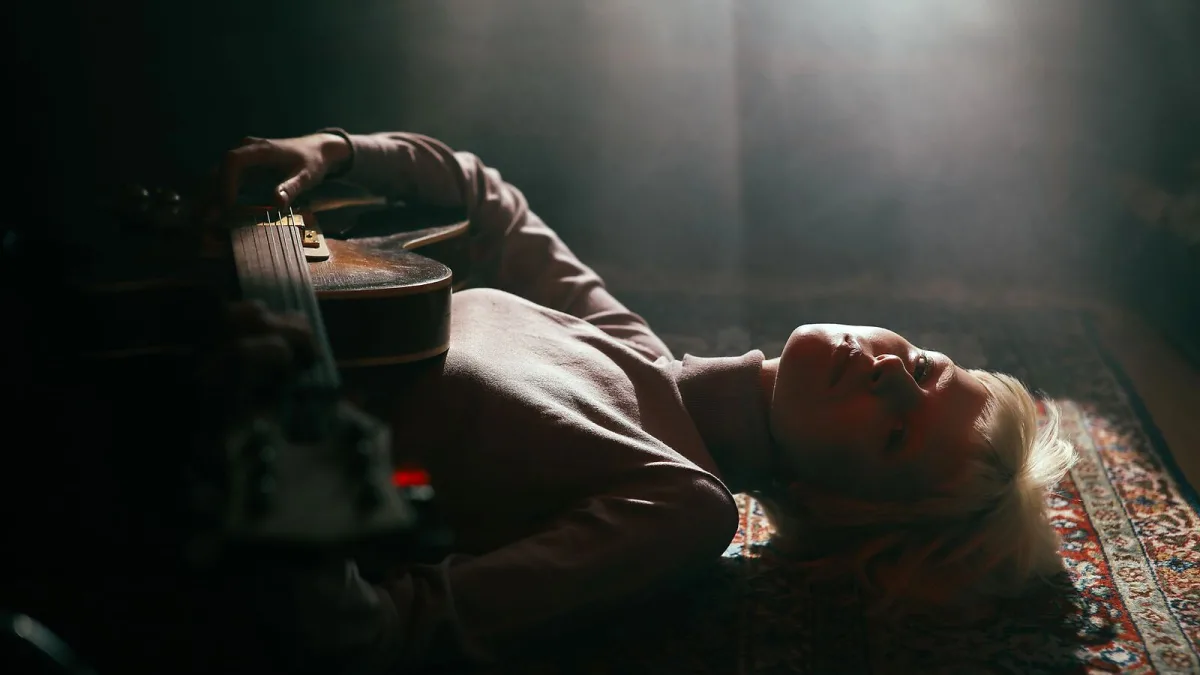
There's a moment in every new listener's relationship with dream pop — usually late at night, headphones on — when the penny finally drops. The reverb-soaked guitar, the vocals arriving from somewhere far away, the sense that time has gently dissolved: none of it is accidental. This is music engineered to create exactly that feeling, and it has been doing so with remarkable consistency since the early 1980s.
What Makes Dream Pop Different
At its core, dream pop is guitar-based music that has made a deliberate turn toward atmosphere over aggression. Where punk and post-punk were sharp-edged and confrontational, this sound softened everything: guitars drowned in reverb and chorus pedals, vocals processed into something closer to texture than lyric, tempos slowed until the music seems to breathe on its own terms.
The genre shares DNA with shoegaze, post-punk and ambient music, and its borders are genuinely porous. What unites artists across its history is less a strict sonic formula than a shared aesthetic — music that values mood over message, feeling over function, patience over immediacy. If you've ever wanted a record to feel like a room you could live in, this is the genre.
The Sound Up Close
Production is everything here. A typical dream pop arrangement involves multiple guitar tracks drenched in reverb and delay, synthesiser pads sitting low in the mix, and drums either played very lightly or treated with enough processing to strip away any hard edges. Vocals are important but rarely dominate: they're often layered, sometimes wordless, frequently so effected that individual phrases dissolve into the whole.
Lyrics, where they're intelligible at all, tend toward the impressionistic. The Cocteau Twins — the Scottish trio fronted by Elizabeth Fraser who became the genre's founding giants — made their name partly by singing in invented syllables and phonemes, prioritising the sound of the voice over any literal meaning. It was an extreme version of a tendency the whole tradition shares.
Where It Came From
Dream pop crystallised in the early 1980s, largely in the UK. London's 4AD label became the spiritual home of the sound, releasing records by the Cocteau Twins, This Mortal Coil and Dead Can Dance that established its defining character. These were records built on synthesiser pads, treated guitars and a production style influenced as much by ambient music as by rock.
American artists were finding parallel routes. Mazzy Star, formed in Los Angeles in 1989, brought country and folk textures into the mix — warmer and more rootsy than the 4AD aesthetic but recognisably part of the same tradition. By the early 1990s, the term had entered music journalism as a catch-all for this loose but identifiable approach.
How It Has Evolved
The tradition has adapted well. In the 2000s and 2010s, Beach House — a Baltimore duo of Victoria Legrand and Alex Scally — became the genre's most commercially visible act, with albums like Teen Dream (2010) and Bloom (2012) reaching audiences well outside the indie underground. Newer artists draw on the aesthetic even when they don't sit entirely within it: Japanese Breakfast, Weyes Blood and Soccer Mommy all carry something of its spirit.
The rise of home recording has produced a wave of bedroom artists who carry the tradition forward with lower budgets and a laptop. The textures are different, the production often deliberately rough, but the emotional core is recognisable: music built around feeling rather than function.
Where to Begin
Three albums cover the range of what's possible. The Cocteau Twins' Heaven or Las Vegas (1990) is the genre at its most luminous and ecstatic. Mazzy Star's So Tonight That I Might See (1993) is its most accessible and song-focused face. Beach House's Teen Dream is the obvious contemporary entry point.
the genre is not the kind of music you assess in a single sitting. It opens up with familiarity. Go in unhurried, and it will do the rest. For artists to explore next, see our companion piece on the best dream pop artists, or browse our essential albums guide.





Comments