


Vaporwave article
The History of Vaporwave
Born almost entirely online, out of shared uploads and half-formed ideas, years before anyone agreed what to call it. Here's how it actually came together.
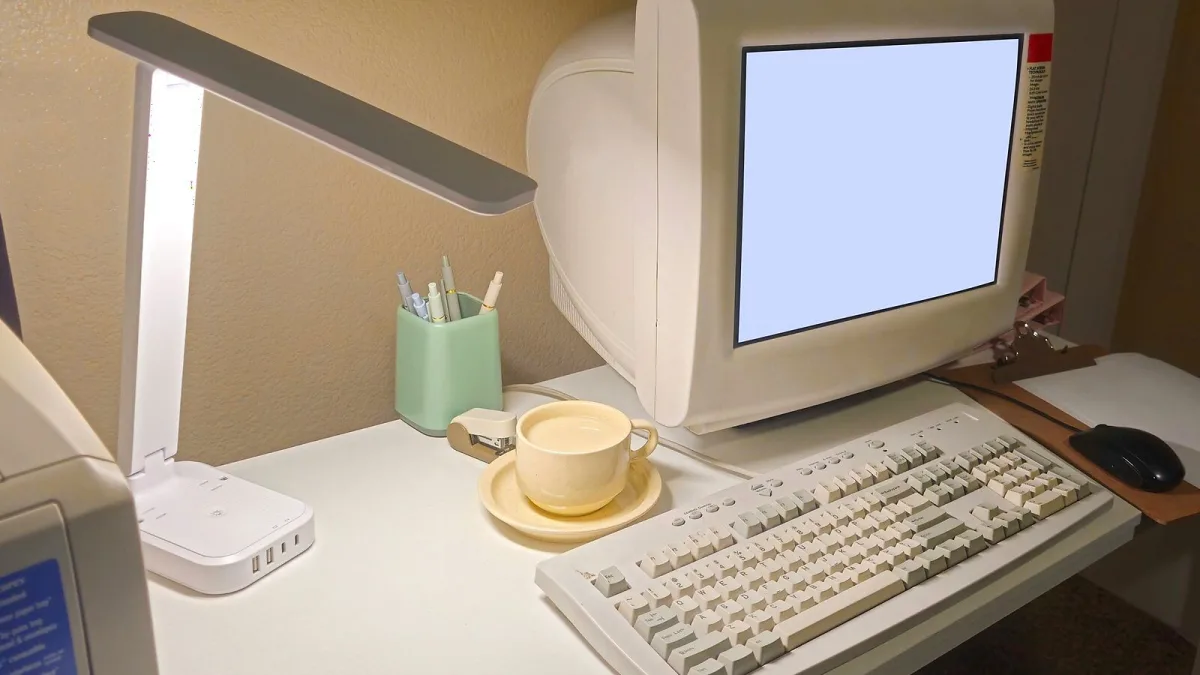
Every scene I've ever loved had a moment before it had a name — a handful of people making something strange in their bedrooms, not yet knowing they were starting anything. Vaporwave is one of the purest examples of that I can think of, born almost entirely online, out of shared file uploads and half-formed ideas, years before anyone agreed on what to call it. Here's how vaporwave actually came together.
The soil it grew from
Nothing arrives from nowhere. Before vaporwave had a shape, several older traditions were already circling similar territory: plunderphonics, built almost entirely from manipulated recordings of other people's music; hypnagogic pop's hazy, half-remembered take on commercial culture; chopped-and-screwed hip-hop's slowed, warped tempos; and a broader current of ambient and lo-fi electronic music obsessed with texture, memory and decay. Vaporwave borrowed a little from each of these without ever belonging fully to any single one of them.
What made the difference wasn't any one influence on its own, but the particular moment they collided in: cheap digital tools, easy file-sharing and pseudonymous publishing all arriving at once, right as a generation of bedroom producers were looking for somewhere to point them.
2010: the fuse gets lit for vaporwave
The record most historians point back to is Chuck Person's Eccojams Vol. 1, released in 2010 by Daniel Lopatin under that alias. Built from slowed, looped fragments of recognisable pop songs, it turned familiar melodies into something disorienting and strange — less a collection of songs than a set of hypnotic objects. It wasn't marketed as the start of a genre. Nobody involved knew yet that it was.
2011: two records, two different roads for vaporwave
The following year brought two releases that, between them, mapped out where vaporwave could go. James Ferraro's Far Side Virtual leaned bright, synthetic and MIDI-like, evoking consumer technology directly rather than sampling old records to conjure it. Meanwhile, Ramona Xavier, working as Macintosh Plus, released Floral Shoppe on the small label Beer on the Rug — and its opening track, later known worldwide as "Lisa Frank 420 / Modern Computing," became the genre's single most recognisable piece of music, right down to the artwork that came to define its visual identity almost as much as its sound.
Where the name actually came from
"Vaporwave" is a play on "vaporware" — industry slang for a product that gets announced but never ships — which suited a scene obsessed with 1980s and 90s corporate optimism, technology that never quite delivered what it promised. The exact moment the term was coined isn't settled beyond doubt, though producer Will Burnett, recording as Internet Club, is commonly credited with early use of it in accounts of the period. That attribution deserves a pinch of caution rather than treatment as settled fact.
Built by the internet, for the internet
What strikes me most, coming from a background of sweaty small venues and word-of-mouth, is how completely vaporwave skipped that whole world. Bandcamp, Tumblr, MediaFire, early Reddit and even 4chan all played a part in circulating vaporwave music, ideas and artwork. Producers released constantly under shifting pseudonyms, often for free, through small digital labels that functioned more like shared identities than conventional record companies. There was no venue circuit to pay dues on — just an upload button and an audience finding you, or not, entirely online.
Splitting into subgenres
By the middle of the 2010s, vaporwave's original loop-based approach had already started branching outward. Blank Banshee's Blank Banshee 0, from 2012, folded trap drums and heavier bass into the sound and helped define vaportrap. Other producers pushed towards brighter, dance-oriented future funk, or the echoing, mall-inspired sound now known as mallsoft, each pulling the original template in its own direction rather than replacing it. Our guide to the subgenres covers each branch properly, if you want to follow any of them further.
None of this happened through record labels or press campaigns in the way earlier genres had spread. It happened through shared playlists, forum threads and word of mouth passed between strangers who'd never meet, which is arguably as fitting an ending to this particular story as any tidier one could be.
The bottom line
This history isn't a tidy line from one founder to a finished genre — it's several producers, working mostly alone, arriving at overlapping ideas within a couple of years of each other, then watching the internet do the rest to turn it into vaporwave as we now recognise it. If you want to meet the people behind those records properly, our guide to the key artists is the natural next stop, and our beginner's guide is there if you're still finding your feet with the sound itself.





Comments