


Vaporwave article
Essential Vaporwave Albums Explained
No press campaign, no radio plugging — just a run of releases that quietly rewired a whole scene. These are the vaporwave albums that actually matter.
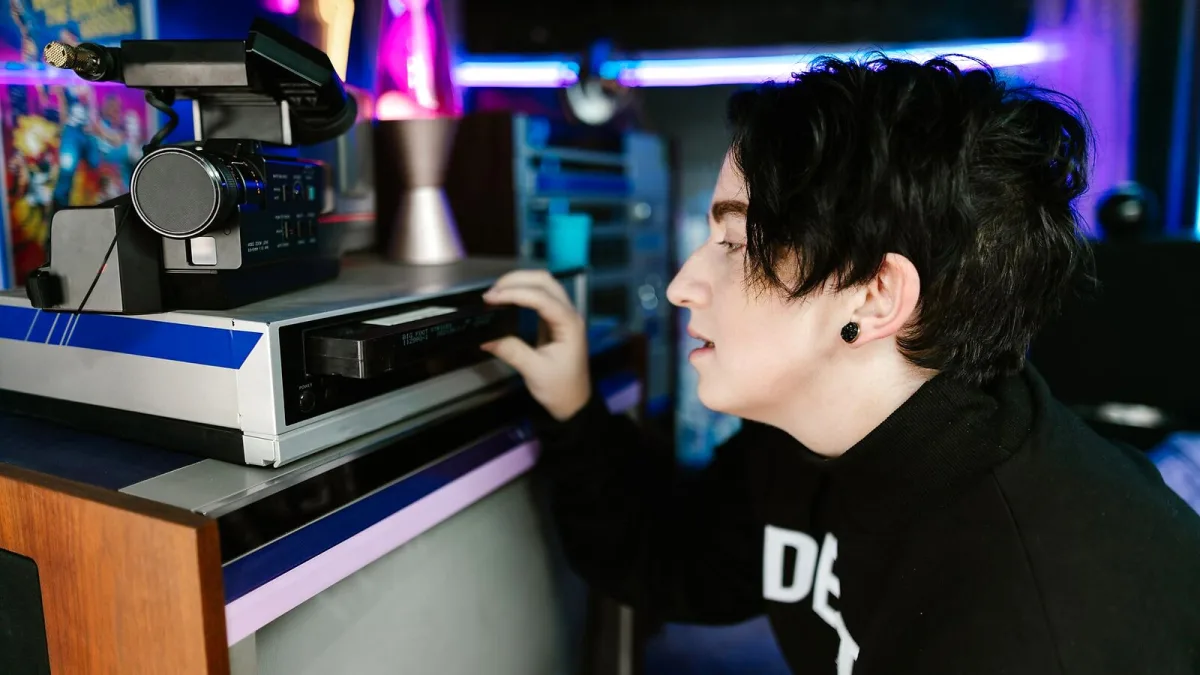
I love a genre where the records themselves do all the talking, and vaporwave absolutely qualifies — there was no music press campaign, no radio plugging, just a run of releases that quietly rewired how a whole scene understood sampling, nostalgia and internet culture. These are the essential vaporwave albums, in the order that makes the most sense.
Chuck Person's Eccojams Vol. 1 (2010)
Start here, even though it wasn't marketed as anything at the time. Daniel Lopatin's Eccojams, released under his Chuck Person alias, takes recognisable pop fragments and slows, loops and warps them into hypnotic, disorienting objects rather than conventional songs. It's rough round the edges compared with what followed, and that roughness is exactly the point — you're hearing an idea forming in real time, before anyone had agreed what to call it.
Far Side Virtual by James Ferraro (2011)
Ferraro took things in a completely different direction the following year. Rather than sampling old recordings, Far Side Virtual builds bright, synthetic, MIDI-like textures that evoke consumer technology directly — app notification tones, corporate soundscapes, a kind of digital elevator music for a world that hadn't quite arrived yet. Play it right after Eccojams and the sheer range within these early years becomes obvious immediately.
Floral Shoppe by Macintosh Plus (2011)
If you only ever hear one vaporwave record from this list, make it this one. Ramona Xavier's Floral Shoppe, released on the small label Beer on the Rug, is the record most people picture when vaporwave comes to mind, right down to its now-iconic marble-and-neon artwork. Its opening piece, "リサフランク420 / 現代のコンピュー" — usually rendered in English as "Lisa Frank 420 / Modern Computing" — became the single most recognisable piece of music the genre has ever produced, built around a warped, slowed loop that somehow feels both deeply familiar and completely alien.
Redefining the Workplace by Internet Club (2012)
Will Burnett's Internet Club project pushes vaporwave in a more conceptual, pointed direction than the dreamier records above, engaging directly with corporate language and workplace culture rather than just its aesthetic surface. It's a reminder that not everything in the genre was purely about nostalgia or beauty — some of it had a genuine point to make, wrapped in the same sonic language as everything around it.
Blank Banshee 0 (2012)
By the time this one arrived, the sound was already splitting into distinct branches, and Blank Banshee's debut is the clearest early document of one particular direction: heavier bass, trap-influenced drums and a punchier energy than the hazier records that came before it. It's commonly cited as the record that helped define vaportrap as its own recognisable strand.
| Album | Artist | Year | Why it matters |
|---|---|---|---|
| Chuck Person's Eccojams Vol. 1 | Daniel Lopatin | 2010 | The genre's crucial precursor |
| Far Side Virtual | James Ferraro | 2011 | A brighter, synthetic early direction |
| Floral Shoppe | Macintosh Plus | 2011 | Crystallised the classic sound and look |
| Redefining the Workplace | Internet Club | 2012 | A more conceptual, pointed strand |
| Blank Banshee 0 | Blank Banshee | 2012 | Helped define vaportrap |
Five records, three years, and between them nearly everything that followed grew out of the ground they covered. For the fuller story of how they connect, our history joins the dots, and our guide to the artists behind them fills in the people.
Listening as a whole, not a playlist
A word of proper advice: vaporwave albums reward being heard start to finish rather than cherry-picked track by track. The loops, repetitions and pacing are usually doing something across a whole side or a whole release, and pulling one piece out on its own loses a good chunk of what makes it work. Treat them the way you'd treat a DJ set or a concept album, not a collection of singles.
The bottom line
You don't need to own all five on cassette to understand vaporwave, but hearing them in this rough order — Eccojams, then Far Side Virtual and Floral Shoppe together, then Redefining the Workplace and Blank Banshee 0 — genuinely traces how the genre formed and then split apart within just a couple of years. Get through these five, and very little else in vaporwave will feel like it came from nowhere.




Comments