


New Jack Swing article
Essential New Jack Swing Albums Explained
Guy's debut established the language. Bell Biv DeVoe took it to the street. Michael Jackson took it to the world. Here are the essential albums.
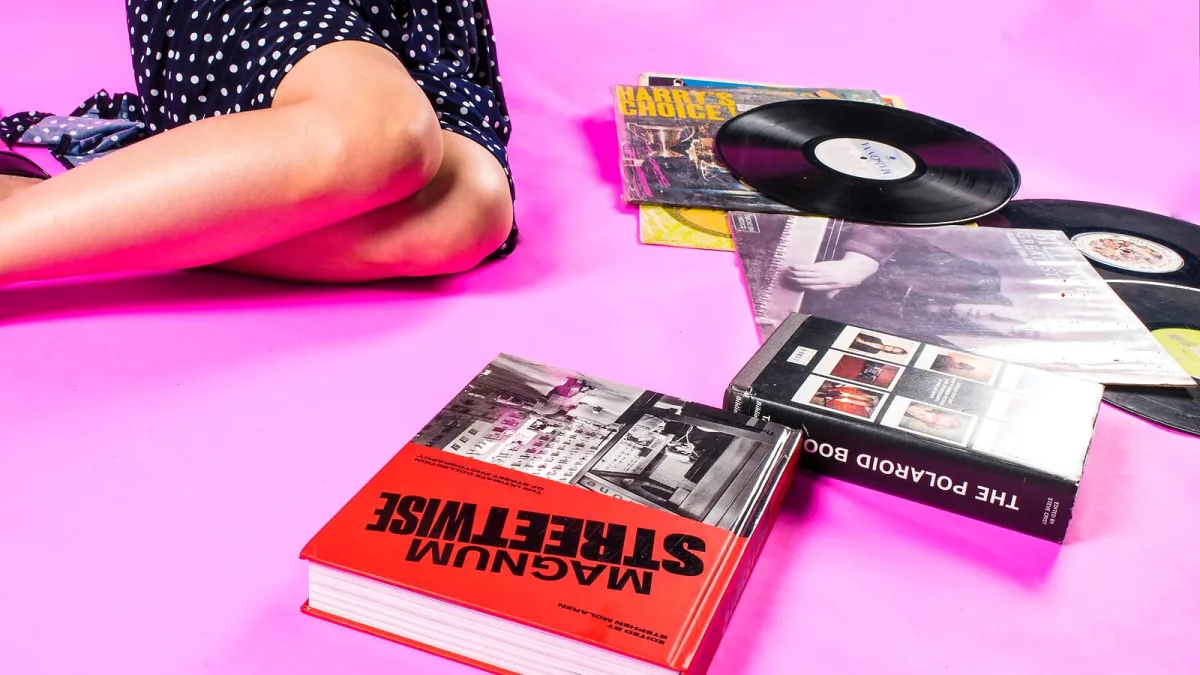
These are the albums that document new jack swing most clearly — not a comprehensive discography, but the records that capture different aspects of what the style was and what it was capable of. If you are coming to this music without context, these are the places to start.
Guy — Guy (1988)
The first fully formed statement of the style as a coherent artistic identity. Teddy Riley's production is at its most uncut here — the drum programming is aggressive, the bass synths move constantly, and Aaron Hall's vocals deliver the emotional intensity the arrangements demand. "Groove Me," "Teddy's Jam" and "I Like" are the essential tracks. Nothing sounds like an experiment; it all sounds like a language that already knows what it is.
Bobby Brown — Don't Be Cruel (1988)
The album that turned the production style into a pop crossover phenomenon. L.A. Reid and Babyface's polish is audible throughout, and Riley's contributions add rhythmic edge, but the defining quality is Brown's confident, confrontational solo personality. "My Prerogative," the title track and "Don't Be Cruel" demonstrate how much the style could carry when a strong performer was in front of it. The album sold in the millions and established the template for late-1980s male R&B.
Keith Sweat — Make It Last Forever (1987)
Often cited as the first significant new jack swing album, Sweat's debut demonstrates the style's range — it is not only hard drums and club energy. The sensual ballads here are as important as the uptempo material, and Riley's production shows the style functioning in slower, more intimate contexts. "I Want Her" is the essential track, but the album's consistency is what makes it more than a single document.
Bell Biv DeVoe — Poison (1990)
The album that took the genre's streetwise edge to its logical extreme. The production is harder and more aggressive than the polished Uptown Records sound, the lyrics are more confrontational, and the influence of hip-hop's attitude is clearest here. "Poison" and "Do Me!" became defining moments of the era's sound at its most immediate and least apologetic. The album's energy influenced the harder the genre-adjacent RThe album's energy influenced the harder R&BB and hip-hop soul that followed.
Michael Jackson — Dangerous (1991)
The largest commercial canvas the style was ever projected onto. Riley's production on "Remember the Time," "Jam" and "In the Closet" demonstrates what the approach could do when combined with Jackson's perfectionism and global reach. Not every track belongs to the genre — the album is deliberately varied — but the Riley-produced cuts are among its strongest moments and among the most widely heard examples of the style ever recorded. For the artists behind these albums, the artists guide covers each in depth. For the tracks that define the era, see the songs guide.




Comments