


New Jack Swing article
A Beginner's Guide to New Jack Swing
R&B with hip-hop's drum logic. Hard machine beats, swung grooves and layered vocals. Here is what makes new jack swing what it is.
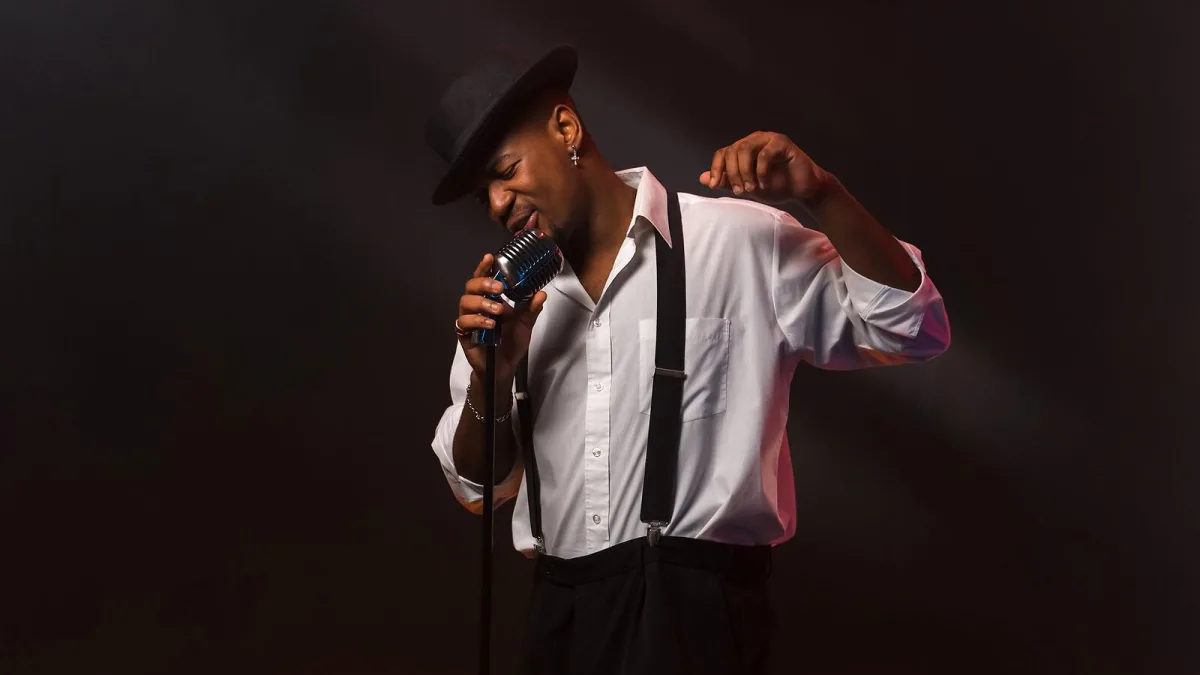
If you have spent any time with late-1980s R&B and found yourself stopping at the drum patterns — the sharp machine kicks, the swung hi-hats, the bass that hits like a gear change — you have already found new jack swing. The genre was R&B with hip-hop's drum logic dropped into it, and when it worked, it was irresistible. Here is what you need to know to get started.
What the Sound Is
New jack swing is defined primarily by its rhythm. The drum programming takes hip-hop's sharply quantised beats and adds a swing feel — a slight push and pull on the timing that makes even precise machine patterns feel physical. Over that rhythmic foundation go synthesizer bass, layered vocals, call-and-response arrangements borrowed from gospel and soul, and lyrical content focused on romance, confidence and the club. The effect was something neither pure rap nor pure R&B — a hybrid that hit harder on a dance floor than most of what came before it.
The Key Producers
Teddy Riley is the name you will encounter at the centre of everything. He produced Keith Sweat's "I Want Her," the group Guy's debut album, Johnny Kemp's "Just Got Paid," and significant portions of Michael Jackson's Dangerous, including "Remember the Time." L.A. Reid and Babyface contributed to the era's broader polished R&B sound, most visibly on Bobby Brown's Don't Be Cruel. Production during this period was loud, assertive and deeply rhythmic — producers were as famous as the artists they worked with.
Where to Start Listening
Five records cover the essentials. Guy's Guy (1988) establishes the sound at its most clearly defined. Keith Sweat's Make It Last Forever (1987) shows how it handled sensual ballads alongside uptempo cuts. Bobby Brown's Don't Be Cruel (1988) brought it to a mass pop audience. Bell Biv DeVoe's Poison (1990) takes the format in a harder, more confrontational direction. Michael Jackson's Dangerous (1991) shows what the sound could do at global scale.
Why It Mattered
the genre's lasting contribution was proving that Black pop music could be simultaneously harder and more pop-friendly. The producers who defined the era changed production standards for mainstream R&B in ways that remained audible well into the 1990s and, through hip-hop soul and neo-soul, beyond. For a structured listening order, see the newcomers guide. For the artists you need to know, the artists guide covers the field.





Comments