


Merengue roundup
The Best Merengue Artists to Know
Showmen, songwriters and one genuine global crossover star: the merengue artists whose influence still defines how the genre sounds today.
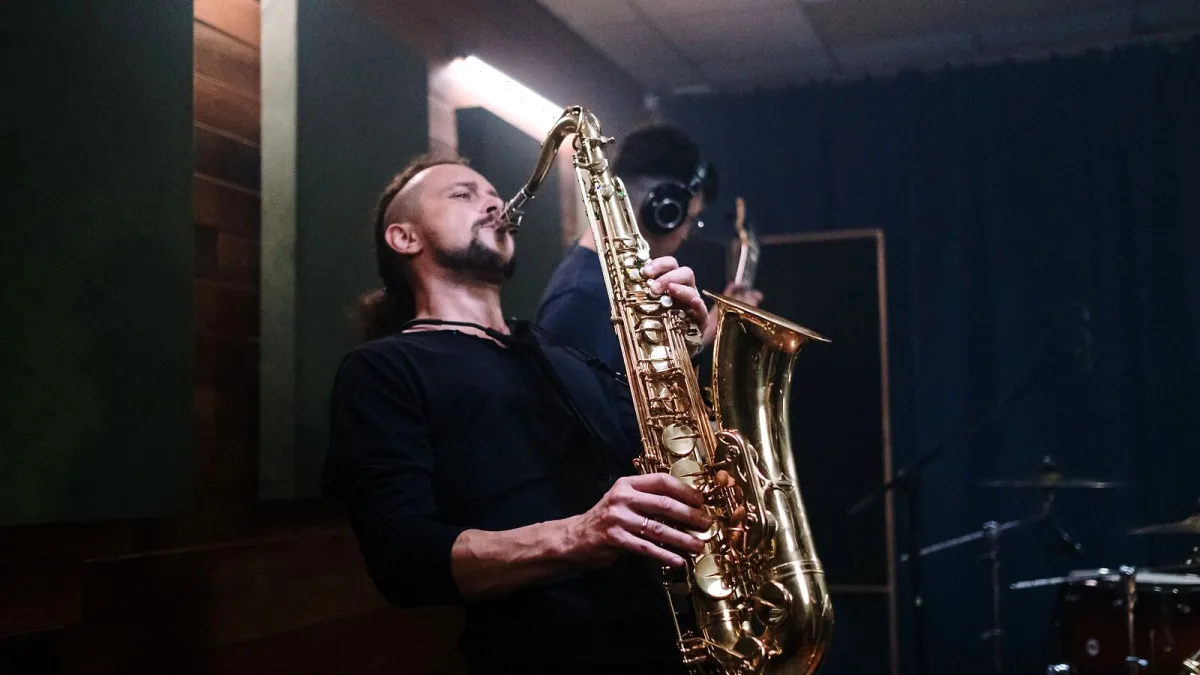
Merengue has never been short of big personalities, and that is not an accident — it is a genre built for showmanship, and the artists who last are the ones who can command a room full of dancers and never let the energy drop. Here are the merengue artists who matter most, and what actually makes each one worth your time.
The names below were picked on a simple basis: genuine influence on how the genre sounds, staying power across decades rather than a single hit, and — where it happened — a real moment of crossover success that took merengue beyond its home audience. Some are pioneers, some are stylistic outliers, and one or two are simply the voice most people picture when they hear the word "merengue" at all.
Johnny Ventura — The Showman Who Rewrote the Rules
Known to generations of Dominican fans as El Caballo Mayor, Johnny Ventura is one of merengue's most important modernisers. He took the genre out of its rural comfort zone and turned it into stage spectacle: sharp choreography, a horn section that hit like a punchline, and a stage presence built for arenas rather than village dances. If you only listen to one artist to understand how merengue became a proper show-business genre, start here.
Wilfrido Vargas — The Restless Experimenter
Few bandleaders in any genre have been as willing to mess with a winning formula as Wilfrido Vargas, one of the most influential merengue artists of his generation. He built a career on folding outside influences into merengue's core rhythm without ever losing the dancefloor, and his catalogue is full of curveballs as a result. His track "El Africano" has had a strange afterlife of its own — decades after its original release, it resurfaced when Shakira interpolated it for her 2009 single "Loba", introducing the melody to an entirely new generation who had likely never heard the original.
Milly Quezada — La Reina del Merengue
Merengue's orchestral scene has historically been a crowded, male-dominated space, which makes Milly Quezada's decades-long run at the top even more notable. Widely known simply as La Reina del Merengue — the Queen of Merengue — she built her name as a powerhouse vocalist fronting big, brass-heavy arrangements, and she remains one of the most recognisable merengue artists of any era for exactly that reason.
Fernando Villalona — El Mayimbe
Fernando Villalona, nicknamed El Mayimbe, is the kind of vocalist other merengue singers get compared to rather than the other way around. His career has spanned decades of the genre's orchestral era, and his voice — warm, powerful, unmistakably his — has made him a fixture of Dominican popular music well beyond any single hit.
Juan Luis Guerra — The Songwriter Who Slowed It Down
Juan Luis Guerra took merengue somewhere different: towards careful songwriting, social commentary and a genuine fusion with bachata, all without losing the rhythmic backbone that makes the genre what it is. His band's name, 4:40, is a nod to the standard concert pitch of 440 Hz — a small, knowing detail from a famously meticulous arranger. Across his career he has picked up multiple Grammy and Latin Grammy Awards, recognition that helped prove merengue-adjacent music could be both critically respected and commercially huge. For more on how his sound bridges genres, see our history of merengue.
Elvis Crespo — The Crossover Moment
Elvis Crespo did not invent merengue, but he did something almost as significant: he made it a genuine international pop moment. His 1998 single "Suavemente" broke well outside Latin radio formats and became one of the most recognisable merengue songs ever released outside the Dominican Republic — for plenty of listeners worldwide, it is still the first merengue song they ever heard. Crespo never chased that moment with a carbon copy either — a decision that has kept his catalogue feeling like the work of a genuine artist rather than a one-song novelty act.
More Merengue Artists Worth Knowing
Beyond the headline names, a handful of other performers deserve a mention for keeping the orchestral tradition alive across generations:
- Los Hermanos Rosario — a long-running family orchestra that has kept the big-band merengue sound alive across multiple decades.
- Sergio Vargas — a respected vocalist within the orchestral tradition, known for a smooth, technically assured delivery.
- Toño Rosario — another long-serving orchestral bandleader with a strong live reputation.
- Eddy Herrera — a dependable hitmaker of the 1990s and 2000s dance-hall circuit, popular for his romantic, mid-tempo style.
None of these names are footnotes — each has spent decades building and holding an audience, which in a genre this competitive is its own kind of achievement.
One Track Each, to Start
| Artist | What they're known for |
|---|---|
| Johnny Ventura | High-energy, horn-driven showmanship |
| Wilfrido Vargas | Genre-blending experiments built on a merengue base |
| Milly Quezada | Powerhouse vocals fronting big orchestral arrangements |
| Fernando Villalona | A warm, instantly recognisable voice across decades |
| Juan Luis Guerra | Songwriting depth and a bachata-merengue fusion |
| Elvis Crespo | The genre's biggest international crossover single |
Where to Listen Next
If these names have you curious, our roundup of essential merengue albums and our list of essential merengue songs are the natural next stops — both draw heavily on the artists above.
The Bottom Line
What ties these merengue artists together is not a shared sound so much as a shared instinct for how to hold a dancefloor. From Johnny Ventura's showmanship to Juan Luis Guerra's songwriting, each found a different way into the same rhythm — which is exactly why the best merengue artists have kept the genre interesting for well over a century. If you want the fuller backstory behind the names, our beginner's guide to merengue is the place to start.


Comments