


Merengue article
Essential Merengue Albums Explained
Two records do more to explain merengue's global reach than almost anything else — here's why they matter, and how to explore beyond them without wasting time.
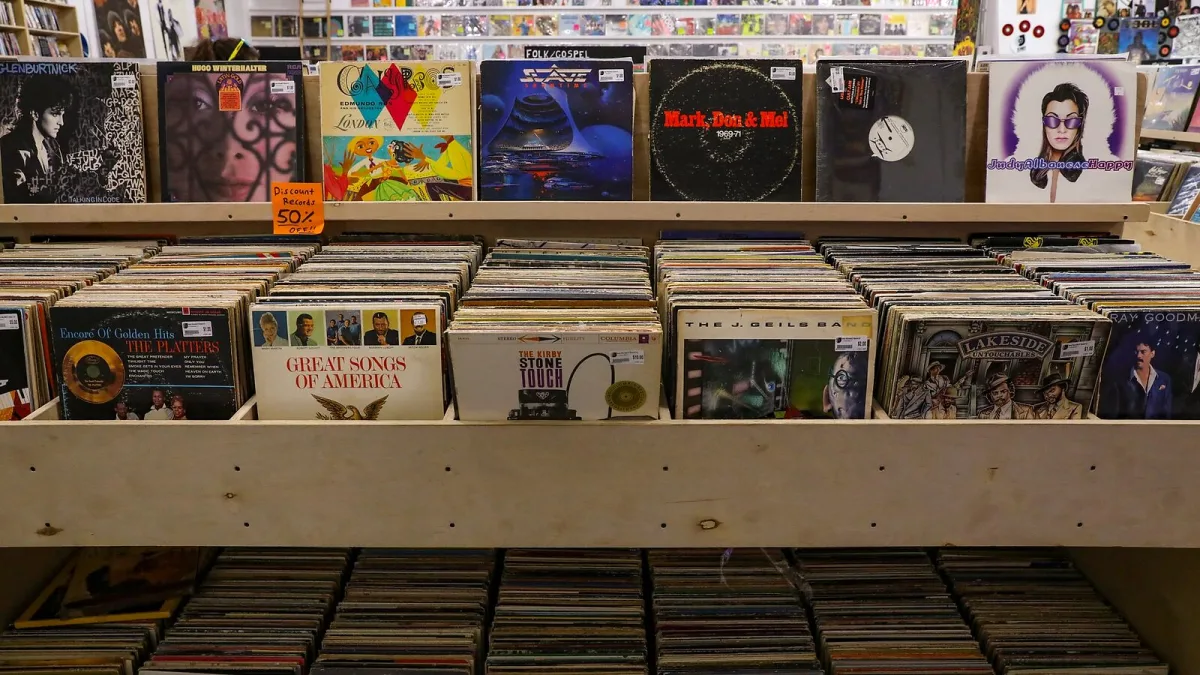
Right, let's cut through the noise. Merengue's discography is enormous, spread across seven decades of bandleaders, orchestras and solo stars, and most "essential merengue albums" lists either dodge the hard choices or just list random hits. Here is a more honest way in: the handful of merengue albums that genuinely moved the genre forward, plus how to navigate the rest of the catalogue without wasting your time.
Bachata Rosa — Juan Luis Guerra y 4:40 (1990)
Yes, the title says bachata, but stay with me. This is the record that proved merengue's rhythmic drive could sit comfortably alongside slower, more literary songwriting, and it picked up a Grammy Award for its trouble. If you have only ever heard merengue as pure dancefloor noise, this album is the corrective — proof the genre could be both physical and genuinely well-written at the same time. It remains the single most important crossover release in the merengue-bachata orbit, full stop. What makes it hold up decades later is the writing — Guerra treated love songs, social observation and rhythm with equal seriousness, which was not exactly the norm for a genre built primarily around dancehall energy at the time. Newcomers who want the fuller backstory on how this fusion came about should read our history of merengue.
Suavemente — Elvis Crespo (1998)
Crespo's debut is essentially one perfect single dragging a very solid album along behind it. The title track became a genuine international hit, and the record that housed it is still the easiest entry point for anyone who wants to understand why merengue briefly became a mainstream pop phenomenon outside Latin America in the late '90s. Don't skip past the rest of the tracklist expecting filler — it holds up better than the "one-hit wonder" reputation suggests. Part of the reason it worked so well internationally is timing: merengue had already been building momentum through Dominican migration for years, and Crespo's record arrived at exactly the moment mainstream radio was ready to let a Spanish-language dance record through.
The Orchestral Back Catalogue: Where to Actually Start
Here is where most guides get lazy and just invent a list of "classic albums" from bandleaders whose full discographies are genuinely hard to verify track-by-track. I am not going to do that to you. What I will say is this: if you want to explore the orchestral golden era, go looking for career retrospectives and greatest-hits collections from Johnny Ventura and Wilfrido Vargas — both have decades of material, and a compilation is a far more reliable way in than guessing at a single "correct" studio album. For background on why these two bandleaders matter in the first place, our piece on the best merengue artists to know covers their significance properly.
What Actually Makes Merengue Albums Essential
Before you go chasing a full discography, it is worth knowing what separates genuinely essential merengue albums from the merely popular ones:
- It moved the sound forward — not just a collection of catchy songs, but a record that changed what merengue could sound like afterwards.
- It travelled — reached listeners well outside its original Dominican audience, whether through radio, dance culture or straightforward word of mouth.
- It still holds up — the test of time matters more than chart position on release week.
Measured against those three things, the Guerra and Crespo records above are the two that come up again and again, for good reason. Most other candidates fail at least one of the three tests — plenty of records sold well in their moment without shifting the wider conversation about what the genre could do, which is a different achievement entirely.
Compilations vs Studio Albums
Here is a genuinely useful bit of practical advice: for most orchestral bandleaders, a well-assembled compilation will serve you better than chasing individual studio-era merengue albums one by one. The genre's biggest names were often singles-first artists working the dancehall and radio circuit — a strong "best of" collection captures their impact far more efficiently than a full album, which can be front-loaded with one or two hits and padded with filler built for a specific tour or moment rather than lasting listening. Save the deep studio-album dive for artists like Juan Luis Guerra, whose records were built as complete statements from the start rather than singles collections after the fact.
It is also worth saying plainly: not every popular merengue release is actually essential listening. Plenty of decent, dancefloor-serviceable records exist that never changed anything about how the genre developed — nothing wrong with them, but they are not what this guide is for.
The Bottom Line
Of all the merengue albums out there, two — Bachata Rosa and Suavemente — do more to explain the genre's reach than almost anything else you could put on. From there, build outward through compilations rather than chasing a "correct" discography that does not really exist in any tidy form. For the individual songs worth knowing beyond these two records, our essential merengue songs guide is the natural next stop, and if you want the genre's wider family tree, see our breakdown of merengue subgenres.





Comments