


Gabber roundup
The Best Gabber Artists to Know
A genre this distinctive was built by real names — here are the producers and acts behind gabber's sound, from Frankfurt to Rotterdam and beyond.
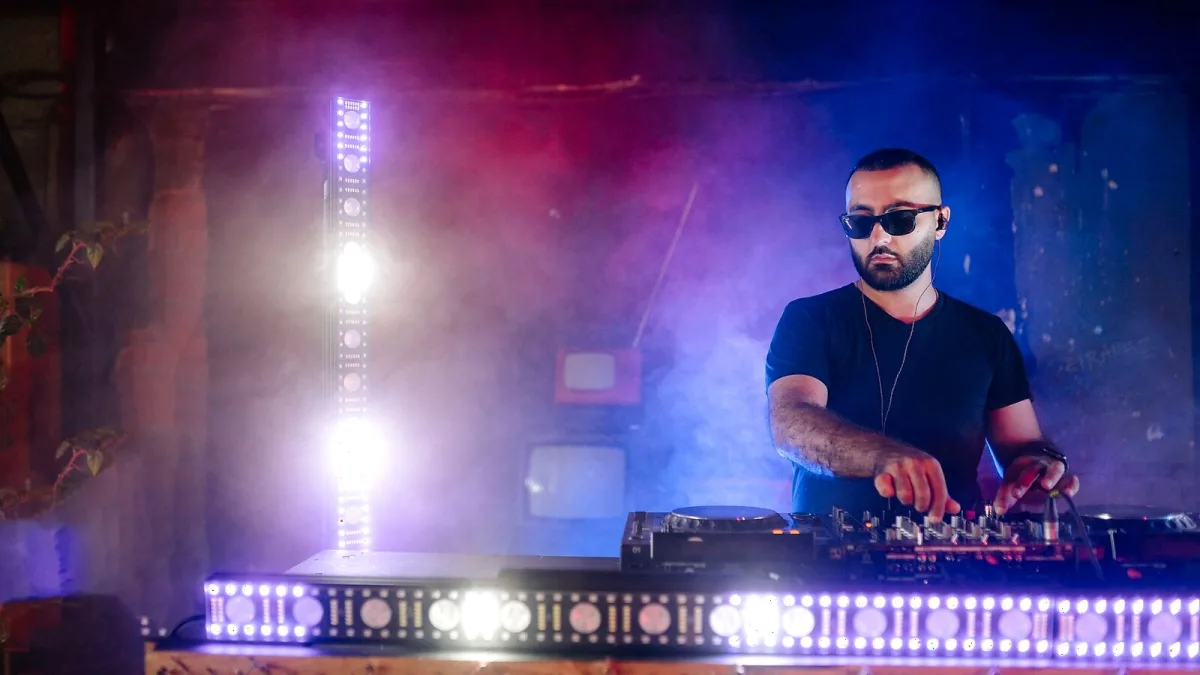
Behind every genre this distinctive, there's a handful of people who shaped it into something recognisable rather than just loud. Gabber's family tree runs from a Frankfurt studio to Rotterdam's club floors and out across Europe, and getting to know these names is the fastest way to actually understand gabber rather than just hear it. Here are the artists worth knowing.
Marc Acardipane
The Frankfurt producer behind "We Have Arrived", released in 1990 under the name Mescalinum United, Marc Acardipane is widely credited with one of the earliest and most influential records in the whole hardcore family. Rotterdam remains the genre's cultural home, but Acardipane's track is a reminder that the sound was brewing across several European scenes at once, not invented in a single studio.
Paul Elstak
If gabber has a founding father figure, it's Paul Elstak. As a producer, DJ and the founder of Rotterdam Records in 1992, he helped build the label infrastructure the genre needed to grow beyond a handful of local clubs. His own project, Euromasters, put out defining early tracks including "Amsterdam Waar Lech Dat Dan?" and "Gabber zijn is geen schande" — records that stated Rotterdam's identity loudly and proudly. Elstak later drifted toward the more melodic happy hardcore sound, which says a lot about how quickly the wider scene began splitting into different directions.
DJ Rob and The Prophet
Alongside Elstak, DJ Rob is consistently named among the Rotterdam figures who shaped the local club sound in the genre's earliest days. The Prophet occupies a similar space in the story, but with a longer reach: he's a link between early hardcore and the hardstyle sound that developed later, showing how directly the two genres are connected at the roots.
Neophyte
Few names carry as much weight in Dutch hardcore as Neophyte. The act became one of the genre's best-known exports, later extending its reach into label activity through Neophyte Records — a good example of how the first generation of gabber artists went on to shape the infrastructure of the scene, not just its sound.
Rotterdam Terror Corps
True to the name, Rotterdam Terror Corps became closely associated with the most confrontational, full-throttle end of the genre. If you want to understand why gabber earned its reputation for intensity rather than just speed, this is one of the acts to start with.
The Stunned Guys
Not every important name in gabber's story is Dutch. The Italian duo The Stunned Guys helped carry hardcore beyond the Netherlands' borders, and their connection to Traxtorm Records — founded in Italy in 1995 — is a useful reminder that this was always a European movement with more than one home address.
Evil Activities and Promo
Both Evil Activities and Promo became significant figures as Dutch hardcore moved beyond its founding years, keeping the kick drum and the extreme energy central while the genre kept evolving around them. They're a good bridge into how the sound developed once the first wave of pioneers had already made their mark.
How These Names Connect
| Artist | Best known for |
|---|---|
| Marc Acardipane | "We Have Arrived" (1990), an international precursor |
| Paul Elstak | Rotterdam Records; Euromasters' early defining tracks |
| DJ Rob & The Prophet | Shaping Rotterdam's early club sound; The Prophet's later hardstyle link |
| Neophyte | One of Dutch hardcore's best-known names; Neophyte Records |
| Rotterdam Terror Corps | The genre's most confrontational, intense strand |
| The Stunned Guys | Spreading hardcore internationally via Traxtorm Records |
For the fuller story of how these individual careers fit into the bigger timeline, our history of gabber is the natural next read, and if you want to hear the tracks that made these names, our rundown of defining gabber songs is a good place to start listening.
The Bottom Line
None of these artists worked in isolation — the sound grew through a genuine network of producers, DJs and labels pushing in the same direction across the Netherlands, Frankfurt and beyond. Know these names, and the rest of the genre's history starts to make a lot more sense.




Comments