


Gabber article
A Beginner's Guide to Gabber
A relentless kick pushed into distortion, run at breakneck speed, built into a whole youth culture — here's your way into gabber.
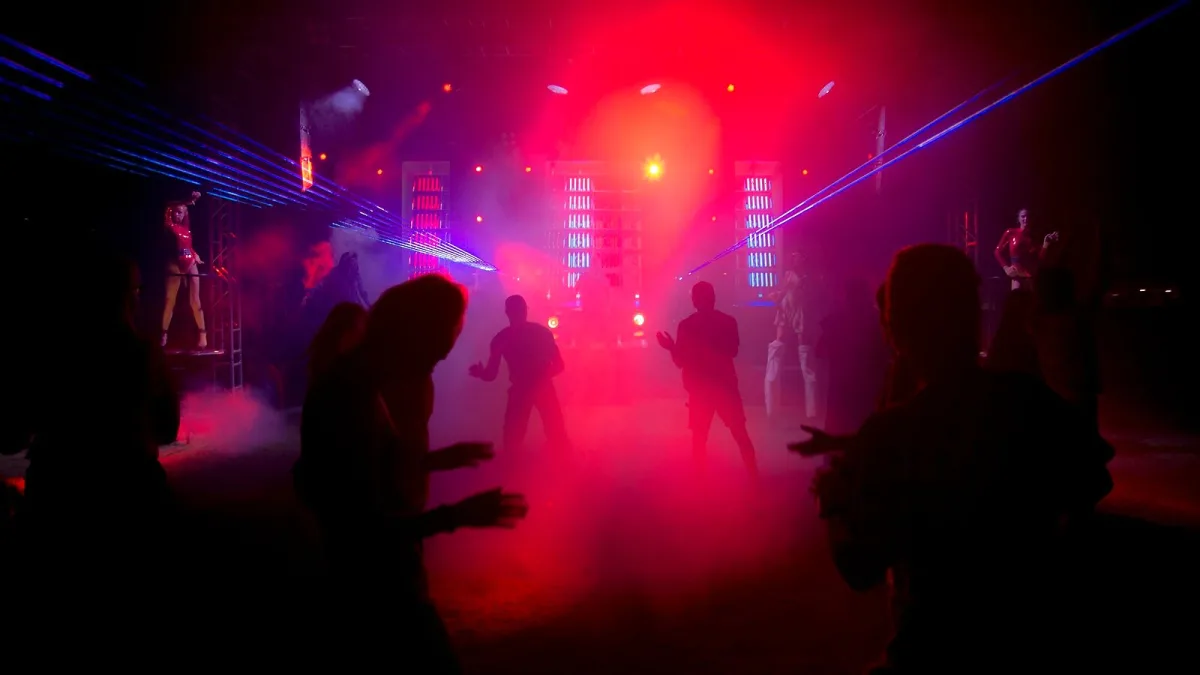
Some music styles ease you in gently. Gabber is not one of them. It hits at 150-plus beats per minute with a kick drum that's been driven so hard into distortion it stops sounding like a drum machine and starts sounding like a weapon — and once you understand why, the whole genre clicks into place. Here's the beginner's route into one of Dutch club culture's most distinctive exports.
What Is Gabber?
Gabber is a fast, aggressive branch of hardcore techno that grew out of Rotterdam in the early 1990s. The word itself comes from Dutch slang for "friend" or "mate", which tells you something important straight away: this was always as much about community as it was about the music. In the original sense, the word describes a person in the scene, not just a genre label.
Musically, it's built on a relentless four-to-the-floor kick, pushed into heavy distortion, running at speeds that would leave most club music standing still.
The Sound: What to Listen For
You don't need technical training to spot the genre's core ingredients:
- Tempo — commonly somewhere around 150–200 BPM, though individual tracks stray outside that on both ends.
- The kick drum — the genre's real lead instrument. Overdriven, compressed, often carrying a pitched tail that doubles as the bassline.
- Synths — rave stabs, "hoover" leads and acid-style lines, usually short and repeated rather than melodically complex.
- Vocal samples — shouted slogans, film dialogue, pitch-shifted voices, dropped in for impact rather than storytelling.
Tempo alone won't identify it — plenty of other hard dance styles run just as fast. It's the combination of that distorted, tonal kick with rave-era synth sounds that gives gabber its signature.
Where It Came From, in Brief
Rotterdam is the genre's accepted home, developing out of new beat, EBM, acid house and early rave as local DJs and producers pushed harder and faster than the house and techno being played elsewhere. Frankfurt, Amsterdam and Antwerp were all part of the same wider European hardcore network, so it's fairer to call Rotterdam the cultural epicentre than the sole birthplace. If you want the full story, our full history piece covers the timeline properly.
The Culture Around the Music
Gabber built a genuinely distinctive visual identity: tracksuits, bomber jackets, Nike Air Max trainers and shaved heads were common sights at Dutch hardcore raves through the 1990s, alongside the hakken dance — rapid, percussive footwork performed right in time with the kick. None of that was universal or compulsory, and the scene has always been more varied than the stereotype suggests, including active anti-fascist organising against attempts by far-right groups to claim the culture as their own.
Gabber and Its Neighbours
New listeners often mix it up with related styles it actually diverged from or influenced. Happy hardcore took a more melodic, upbeat turn from some of the same Rotterdam roots; hardstyle grew out of the same broader hardcore family with its own distinct rhythm and swing. Our guide to the subgenres untangles exactly how these styles split apart and where they still overlap.
Why It Still Matters
More than three decades on, gabber remains a working genre rather than a museum piece — still played at festivals, still pressed by specialist labels, still shaping newer strains like uptempo hardcore. It's also a genuinely unusual case study in how a piece of production technique (a distorted kick drum) became the foundation of an entire youth culture, complete with its own fashion, dance and social identity.
The Bottom Line
Gabber rewards a bit of context. Once you know what you're listening for — that kick, that tempo, that community behind it — a genre that can sound like pure noise on first contact starts to reveal a real sense of craft and history. If you're ready to actually start listening, our companion piece on where to start gives you a practical first playlist.





Comments