


Exotica roundup
The Best Exotica Artists to Know
Four names cover almost everything you need to know about who built exotica. Here's who they are and what makes each one essential.
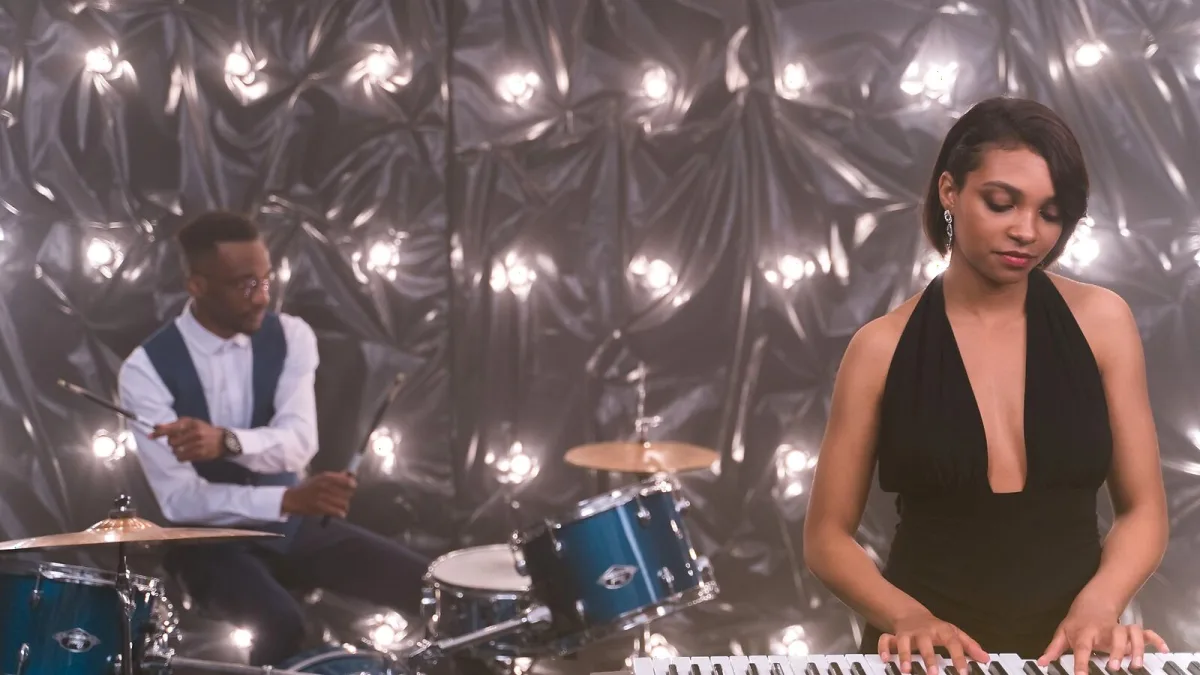
Behind every great genre are a handful of people who actually built the thing, and exotica's founding cast is small enough to get to know properly. These aren't distant legends — they're a composer, a pianist, a vibraphonist and a singer who each shaped a genuinely distinctive corner of the sound. Here's who they are and why they matter.
Les Baxter – the exotica architect
Les Baxter was a composer, arranger and conductor with a serious orchestral toolkit, and he's the person most commonly credited with exotica's true founding statement: Ritual of the Savage (Le Sacre du Sauvage), released in 1951. His arrangements used full strings, brass, dramatic contrast and a genuinely cinematic sense of scale to suggest imagined ceremonies and landscapes. It was Baxter who wrote "Quiet Village," the tune that would go on to become the genre's most recognisable composition in more than one arrangement. If you want the big, sweeping end of the genre, Baxter is where it starts.
Martin Denny – the man who named exotica
Martin Denny was a pianist, composer and bandleader, and he's the figure most people picture when they think of exotica proper. His self-titled 1957 album shrank Baxter's orchestral approach down into an intimate small group — piano, vibraphone, percussion, bass and imitated bird calls — and the record's title gave the whole genre its name, reportedly at the suggestion of Liberty Records executive Simon "Si" Waronker. Denny's version of "Quiet Village" is arguably the single most important recording in the genre's history, trading Baxter's grandeur for space, playfulness and the feel of an actual lounge performance. He led his group at Honolulu's Don the Beachcomber, cementing the connection between the music and tiki-lounge culture.
Arthur Lyman – the vibraphone specialist
Arthur Lyman started out playing vibraphone in Denny's own group before striking out as a bandleader in his own right. His 1958 album Taboo pushed his instrument and layered percussion further forward than Denny's records had, with spacious, room-filling production that became its own recognisable strand of the sound. Where Denny's records feel like a lounge performance you're watching, Lyman's often feel like you're standing inside the room itself. Denny himself later played down any rivalry between them, reportedly saying they'd developed the sound together rather than one following the other.
Yma Sumac – exotica's essential precursor
Yma Sumac isn't always filed under exotica proper, but her 1950 album The Voice of the Xtabay arrived a year before Baxter's cornerstone record and worked remarkably similar territory — dramatic, theatrical and pitched at an American audience hungry for the unfamiliar. Her extraordinary vocal range gave the record a genuinely distinct character among exotica's mostly instrumental catalogue, and it's essential listening for understanding where the genre's dramatic instincts came from.
The supporting cast worth knowing
Two names don't headline records but shaped the sound just as directly:
- Augie Colón — the percussionist in Denny's early group, responsible for much of the rhythmic vocabulary and the imitated bird calls that became a genre signature.
- John Kramer — Denny's bassist, anchoring the small-combo arrangements that contrasted so clearly with Baxter's full orchestra.
How these artists relate to each other
| Artist | Signature record | What sets them apart |
|---|---|---|
| Les Baxter | Ritual of the Savage (1951) | Grand orchestral scale, cinematic drama |
| Martin Denny | Exotica (1957) | Named the genre; intimate small-group sound |
| Arthur Lyman | Taboo (1958) | Vibraphone-forward, spacious room sound |
| Yma Sumac | The Voice of the Xtabay (1950) | Vocal drama, essential precursor |
Where to explore next
If you want the fuller chronology behind these names, our history of exotica lays it out in order, and our essential albums guide covers each of these records in proper depth. New to the genre entirely? Our beginner's guide is the gentler place to start.
The bottom line
Four names cover almost everything you need to know about who built this genre: Baxter for orchestral scale, Denny for the name and the defining small-group sound, Lyman for vibraphone-led refinement, and Sumac for the dramatic vocal precursor that arrived just before it all took off.





Comments