


Exotica article
Exotica Subgenres, Explained
Exotica isn't one single sound. Here are the real stylistic strands inside the genre, and how to tell them apart.
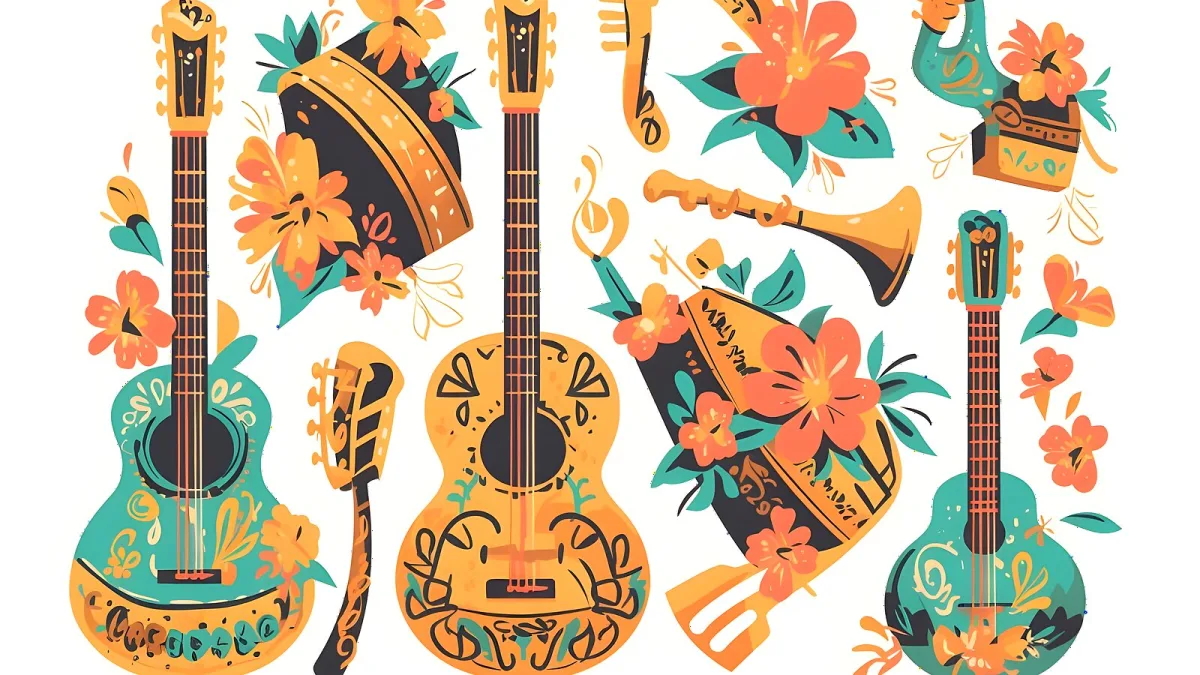
Exotica gets talked about like one single sound, but spend a bit of time with it and you'll hear real differences between records — different scales, different instrumentation, different moods entirely. It's worth knowing where those lines actually sit, especially once you start bumping into neighbouring genres that get lumped in alongside it. Let's sort the sound world properly.
Orchestral exotica
This is the grand end of the spectrum, built by Les Baxter on 1951's Ritual of the Savage. Full strings, brass, dramatic contrast and a genuinely cinematic sense of scale — this style was built for suggesting imagined ceremonies and landscapes rather than intimate lounge performance. If a track sounds like it belongs in a film score for a place that doesn't exist, you're hearing orchestral exotica.
Small-combo lounge exotica
Martin Denny took Baxter's approach and shrank it right down for his 1957 album Exotica, swapping the orchestra for piano, vibraphone, percussion, bass and imitated bird calls. This is the style most people actually picture when they hear the genre's name, closely tied to tiki-lounge venues like Honolulu's Don the Beachcomber, where Denny's group performed live. It's playful, spacious and built for a room rather than a concert hall.
Vibraphone-led exotica
Arthur Lyman took Denny's small-combo template and pushed it further in one specific direction: vibraphone and layered percussion right at the front of the mix, with spacious, room-filling production. His 1958 album Taboo is the defining example, and it's distinct enough from Denny's tighter arrangements to count as its own recognisable strand rather than a simple copy.
Vocal-dramatic precursor style
Yma Sumac's 1950 album The Voice of the Xtabay sits slightly outside the mostly instrumental mainstream of the genre, built instead around her extraordinary vocal range and theatrical delivery. Whether you classify it as exotica proper or an important precursor, it represents a genuinely distinct branch — dramatic and vocal-led where almost everything else in the genre is instrumental and atmospheric.
Neighbouring genres worth telling apart
A few related styles get mentioned in the same breath, and it's worth knowing where the actual boundaries sit:
- Tiki music — the broader musical culture surrounding tiki bars and restaurants, of which exotica is the most famous strand but not the only one.
- Space-age pop — a wider umbrella of futuristic, hi-fi-showcase easy listening from the same era, overlapping with but not identical to the genre's tropical-fantasy focus.
- Lounge and mood music — the general postwar easy-listening world that the genre grew out of, minus the specific faraway-place imagery.
How the styles compare
| Style | Key artist | Defining trait |
|---|---|---|
| Orchestral | Les Baxter | Full orchestra, cinematic drama |
| Small-combo lounge | Martin Denny | Intimate group, bird calls, playfulness |
| Vibraphone-led | Arthur Lyman | Spacious, instrument-forward production |
| Vocal-dramatic | Yma Sumac | Vocal range and theatrical delivery |
Why the distinctions matter
Beyond satisfying curiosity, knowing these differences makes it much easier to find more of what you actually like rather than assuming the whole genre sounds like the one track you first heard. If Baxter's orchestral drama grabbed you, Denny's small-combo playfulness might genuinely underwhelm at first — not because it's worse, but because it's doing something quite different.
Where to go next
Want each of the artists behind these styles introduced properly? Our guide to the key artists covers exactly that, and our essential albums guide explains the defining record for each style in full. New to the genre? Start with our beginner's guide instead.
The bottom line
Four real strands sit under one genre name: orchestral drama from Baxter, small-combo playfulness from Denny, vibraphone-led spaciousness from Lyman, and vocal theatricality from Sumac. Knowing which is which turns "I like exotica" into something far more useful for actually finding your next favourite record.





Comments