


Darkwave roundup
The Best Darkwave Artists to Know
Darkwave's best artists earned their reputations without mainstream approval. This is the definitive list of who shaped the genre and who you need to hear.
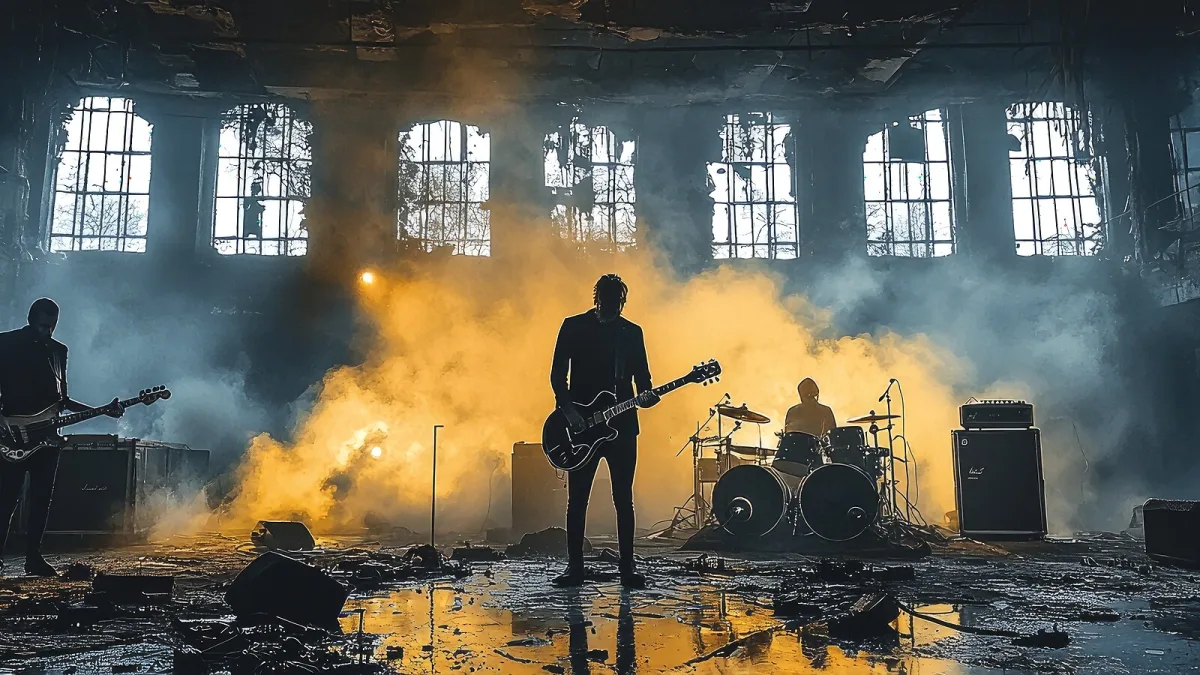
Darkwave has never needed mainstream approval — which is why its best artists have tended to be genuinely excellent rather than just commercially viable. This list covers the acts you need to know: the ones who shaped the genre and the ones who have kept it moving. No fillers, no completeness for its own sake.
Clan of Xymox
The Dutch act led by Ronny Moorings is arguably the purest embodiment of classic darkwave. Their self-titled 1985 debut on 4AD — brooding synthesiser lines, aching melodies, production that sounds perpetually suspended between afternoon and night — remains one of the essential records of the genre. They followed it with Medusa (1986) and have continued recording across four decades, maintaining a consistent vision. If you only start with one band, start here.
Dead Can Dance
Lisa Gerrard and Brendan Perry relocated from Australia to London in the early 1980s and signed to 4AD, releasing nine albums that are utterly impossible to place in any simple category. Early recordings, particularly Dead Can Dance (1984) and Spleen and Ideal (1985), fit squarely within the genre in an assertive, post-punk-informed sense. Later work draws on medieval European music, North African tonalities, and Gerrard's invented vocal language — a kind of ecstatic glossolalia that became one of the most recognisable sounds in the genre's adjacent territory. Essential at every stage.
The Sisters of Mercy
Andrew Eldritch's Leeds band occupy the exact borderline between gothic rock and darkwave. Their 1985 album First and Last and Always is a landmark of British underground music — polished, ominous, melodically irresistible. The drum machine (called "Doktor Avalanche") and the baritone that ate every room it occupied defined what gothic-adjacent music in this tradition could sound like. The Sisters remain one of the most widely cited acts in the broader family of this genre.
Siouxsie and the Banshees
London's Siouxsie Sioux and her rotating cast of collaborators never settled into a single genre, but the albums of the early-to-mid 1980s — particularly Juju (1981), A Kiss in the Dreamhouse (1982), and Hyaena (1984) — are foundational texts in the genre. The Banshees' willingness to reach for orchestration, psychedelia, and melodic hooks while maintaining a core of something genuinely unsettling sets them apart. Robert Smith's contributions on guitar on some recordings are worth noting for anyone following the overlap between this style and The Cure's adjacent work.
This Mortal Coil
Ivo Watts-Russell's 4AD studio collective was never a band in the conventional sense — it was a vehicle for bringing together musicians and singers from across the label's roster to produce something greater than any individual project. The debut album It'll End in Tears (1984) and its follow-up Filigree & Shadow (1986) are among the most purely beautiful records in any genre. Elizabeth Fraser's voice on the cover of Tim Buckley's "Song to the Siren" is frequently cited as the single most definitive expression of ethereal darkwave.
Christian Death
Where 4AD offered beauty and atmosphere, Christian Death from Los Angeles offered confrontation. The 1982 debut Only Theatre of Pain, led by Rozz Williams, is death rock in its most extreme 1980s form — explicitly Gothic imagery, punk energy, and a morbid theatricality. Their influence on American Gothic music and goth is substantial, even if the music itself sits in a harder corner of the genre than most ethereal wave listeners would seek out.
Deine Lakaien
The Bavarian duo of Ernst Horn and Alexander Veljanov, formed in 1986, are one of the most enduring acts in European darkwave. Horn's classically trained compositional approach combined with Veljanov's distinctive baritone produced a sound that sits somewhere between art rock and neoclassical darkwave. Albums such as Mindmachine (1990) and Dark Star (1992) remain frequently cited within the German-language scene. Their music has aged remarkably well.
Joy Division (Influence)
Joy Division are not strictly part of this genre — they are post-punk, and they only released two studio albums before Ian Curtis's death in 1980. But their influence is so pervasive in the genre that any artists list without mentioning them is misleading. Unknown Pleasures and Closer are the emotional and sonic foundation on which most of what followed was built. Listen to them before anything else and the darkwave records will make more sense.
Cocteau Twins
The Scottish trio — Robin Guthrie, Simon Raymonde, and the extraordinary voice of Elizabeth Fraser — produced some of the most purely beautiful music in the 4AD tradition. Albums such as Treasure (1984) and Heaven or Las Vegas (1990) sit at the melodic, shimmering extreme of ethereal wave: joy and ache in equal measure, with lyrics that may or may not be English (Fraser frequently sang in invented phonemes). Their influence on the genre and on dream pop is incalculable.
Cold Cave (Contemporary)
Wesley Eisold's project is the most prominent of the wave of 21st-century artists who have worked within and extended the darkwave tradition. Albums such as Cherish the Light Years (2011) engage seriously with the 1980s inheritance without simply reproducing it. Cold Cave is the act most often cited for new listeners wanting to understand where the genre is now, alongside Boy Harsher and TR/ST.
For the albums that define the genre, essential darkwave albums explained goes into detail. The songs that best introduce the sound are covered in the best darkwave songs. For context on where these artists fit within the genre's various branches, darkwave subgenres explained maps the territory.
Why These Artists
This scene has a large cast of worthy acts. This list prioritises the artists who shaped the genre's DNA and who remain worth hearing today — not those who simply existed at the right time. Every name here holds up on repeated listening, regardless of when you encounter them.




Comments