


Chillout article
The History of Chillout
It started as a room, not a genre. Here's how chillout grew from rave chill-out rooms into a sound of its own, via Ibiza and beyond.
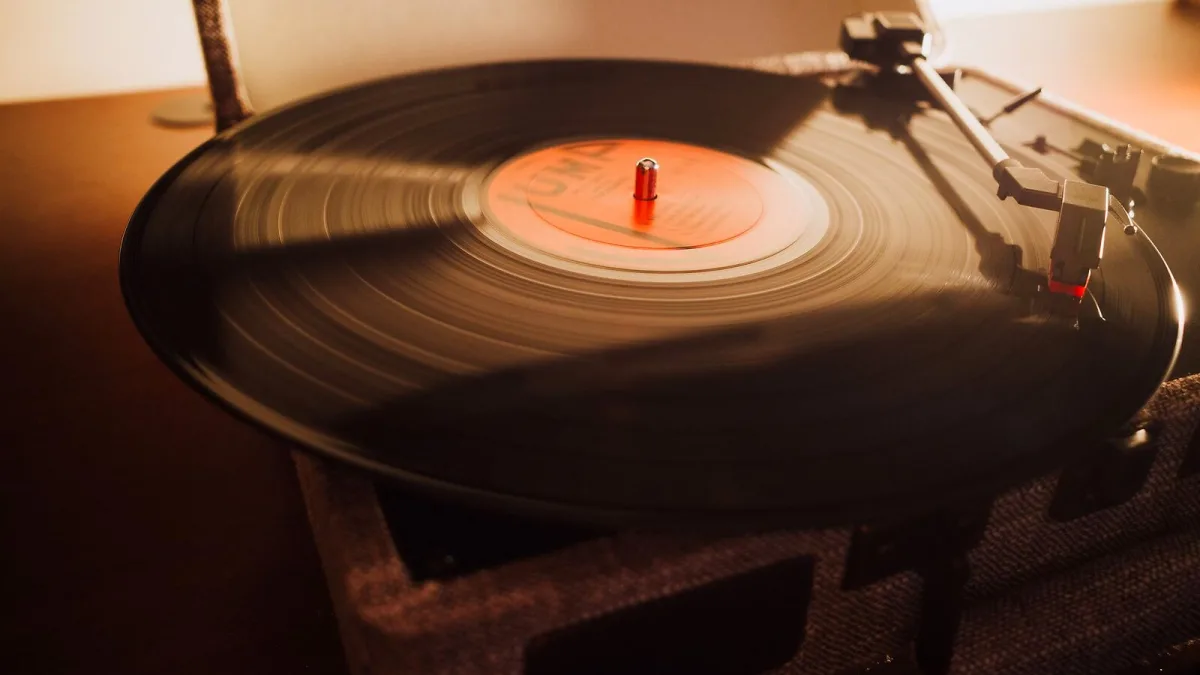
Chillout didn't start as a genre. It started as a room. Before it was a Spotify playlist mood or a record-shop section, it was a place you went to recover from the dance floor — and understanding that origin explains why chillout still sounds the way it does today.
It began as a place, not a sound
Late-1980s and early-1990s rave and club culture ran hot — high-tempo house and techno, all night, at full intensity. Chill-out rooms grew up alongside that scene as somewhere to step away from the noise: softer rhythms, spacious textures, music built for sitting down rather than dancing. The White Room at Heaven in London is one of the spaces most often cited from this period, with DJs including Jimmy Cauty and Alex Paterson playing sets there before both went on to shape chillout properly.
That's the bit worth holding onto. Chillout isn't just "slow music" — its whole identity comes from being the comedown to something louder. A track can keep a house or techno pulse underneath and still count, as long as the intensity's been dialled right back.
The record that gave it a name
Jimmy Cauty and Bill Drummond, recording as The KLF, released Chill Out in February 1990, and it's still treated as the genre's founding statement. It's not a normal album of songs — it's a continuous, 45-minute collage of samples, spoken fragments, field recordings and drifting musical passages, built to feel like one long journey rather than a track listing. Alex Paterson's own project, The Orb, pushed the same ambient-house idea further into club culture across the following couple of years, and between the two of them the shape of modern chillout was more or less set.
Worth being honest about the history here: exactly where and when the term "chillout" itself first got attached to this sound isn't perfectly settled. London's chill-out rooms are the most commonly cited origin, but different accounts point to slightly different venues and scenes. Treat the broad strokes as solid and the fine detail as still being argued over by people who were there.
Ibiza takes it somewhere warmer
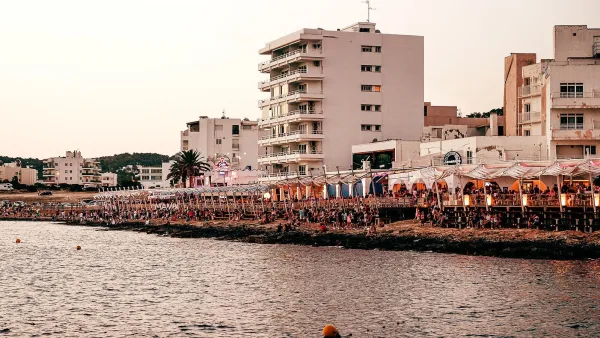
Through the 1990s, the genre picked up a second home in Ibiza and the wider Balearic club scene. Sunset listening became its own ritual, and the Café del Mar compilation series — named after the actual bar on the island — did a huge amount to popularise one particular version of the sound: warm, melodic, cosmopolitan, built for watching the sun go down. It's worth being precise here too: Café del Mar didn't invent the genre, it popularised one branch of it. British ambient house, German downtempo and American trip-hop-influenced electronica were all developing in parallel, sounding quite different from a Balearic sunset session, and all of it still gets filed under the same chillout umbrella today.
The 1990s absorb everything nearby
Across the decade, chillout's umbrella widened considerably, pulling in:
- Trip-hop and instrumental hip-hop
- Dub and reggae-influenced production
- Jazz and bossa nova textures
- Lounge and nu-jazz
- Field recording and sound collage
By the time albums like Air's Moon Safari (1998) and Zero 7's Simple Things (2001) arrived, chillout had moved well beyond its rave-recovery origins into something closer to a mood you could put on at home, in a car, or in a shop.
The story in brief
| Era | What happened |
|---|---|
| Late 1980s–early 1990s | Chill-out rooms emerge alongside rave and club culture |
| 1990 | The KLF release Chill Out, the genre's founding statement |
| Early–mid 1990s | The Orb push ambient house into the mainstream club circuit |
| Mid–late 1990s | Ibiza and Café del Mar popularise the Balearic, sunset-oriented branch |
| Late 1990s–2000s | Trip-hop, downtempo and nu-jazz broaden the sound considerably |
| 2010s–present | Streaming "chill" playlists widen the term further, beyond its club origins |
From playlist mood to genuine tradition
Streaming culture has broadened the word further still. A "chill" playlist today might mix lo-fi beats, acoustic pop and ambient piano in with the historical electronic tradition — useful for relaxing, but not automatically part of the same lineage as The KLF or The Orb. That's not a decline so much as a second, looser meaning growing up alongside the original one.
None of that erases where it came from. The through-line from a sweaty London chill-out room to a modern streaming playlist runs directly through *Chill Out*, through Ibiza's sunsets, and through every producer since who's understood that restraint is the whole point.
Want to actually hear that lineage in order? Our beginner's guide to chillout walks through it as a listening path, our essential albums guide covers the landmark records in depth, and our guide to the subgenres untangles ambient house, downtempo, trip-hop and the rest.





Comments