


Chillout article
Chillout Subgenres, Explained
One word, eight different rooms — here's how chillout's subgenres actually relate to one another, and who represents each one best.
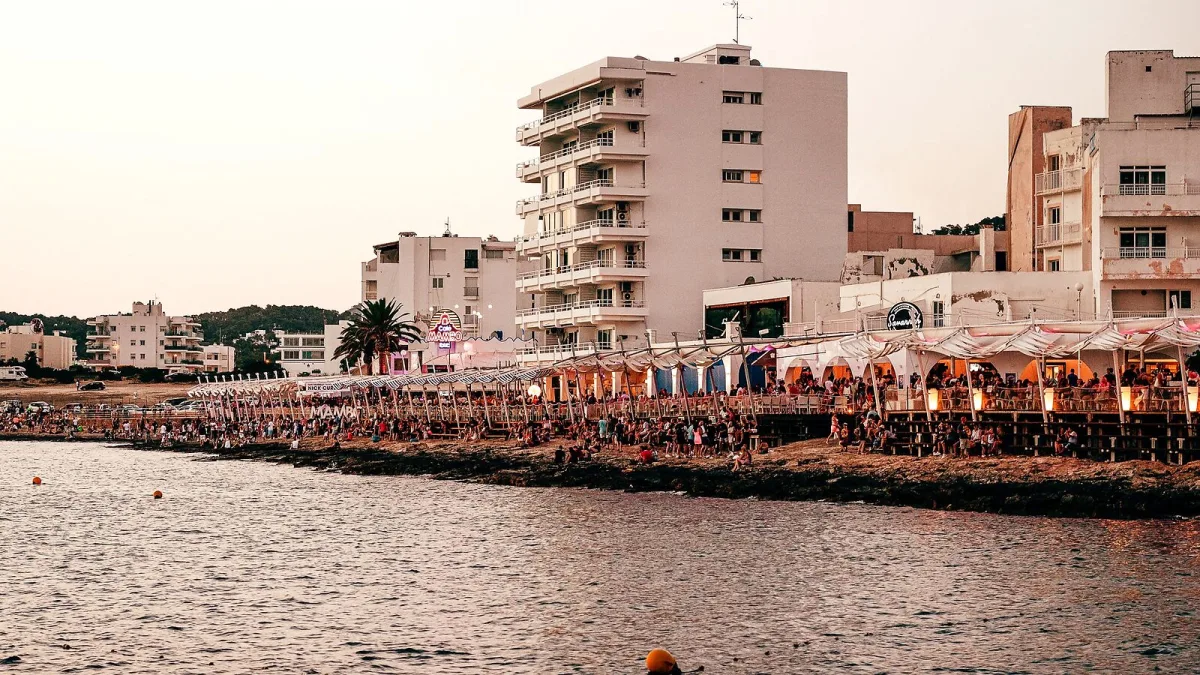
Say the word "chillout" to ten different people and you'll get ten different mental playlists — one person's hearing Balearic sunset compilations, another's hearing Massive Attack, another's hearing whatever's on their lo-fi study stream. None of them are wrong. They're just standing in different rooms of the same big, loosely connected house. Let's map the floor plan properly.
Ambient: the foundation, with the rhythm stripped right back
Ambient is the most stripped-down room in the house — texture and atmosphere first, with rhythm sometimes absent entirely. Brian Eno's early ambient recordings are the genre's most obvious reference point, and while his work isn't automatically filed as chillout, its DNA runs through nearly everything that followed. The Orb picked up these ideas and gave them shape.
Ambient house: the club connection
Take ambient's spaciousness and put a house music pulse back underneath it, and you get ambient house — the branch most directly responsible for turning chillout into a recognisable genre in the first place. The Orb and The KLF are the reference points here, and it's the sound that first gave chill-out rooms their actual soundtrack back in the late 1980s and early 1990s.
Downtempo: the broad middle ground
Downtempo is the biggest, vaguest room of the lot — a catch-all for relaxed, beat-driven electronic music generally slower than typical club tempos. Bonobo and Zero 7 both sit comfortably here. If you're not sure which specific branch a track belongs to, "downtempo" is usually the safe general answer.
Trip-hop: heavier, moodier, more dramatic
Trip-hop slows hip-hop-derived beats right down and adds heavy bass, sampling and often prominent vocals — Massive Attack and Portishead, both out of Bristol, are the names that matter most. It's frequently grouped in with chillout, but it has a distinctly darker, more emotionally weighted character than the genre's warmer branches. Some fans treat it as chillout's moodier cousin rather than a true member of the family, and that's a fair way to think about it.
Lounge and Balearic: sophisticated and sunset-facing
This is the branch most people picture when they think of "chillout" in the loosest sense — cosmopolitan, warm, built for watching a sunset with a drink in hand. Ibiza's club scene and the Café del Mar compilations, along with figures like José Padilla, did the most to define this specific mood, even though it's genuinely only one slice of the wider genre.
Nu-jazz: jazz harmony meets electronic production
Nu-jazz brings proper jazz chords and instrumentation into an electronic production framework, resulting in something more harmonically sophisticated than most other branches. Acts like The Dining Rooms and dZihan & Kamien represent this strand well — less widely known than the bigger names elsewhere on this list, but genuinely important to how chillout developed its more musically complex side.
Dub electronica: echo, space and reggae-derived rhythm
Dub electronica pulls echo, spacious bass and reggae-derived rhythmic ideas into the mix. Thievery Corporation and Kruder & Dorfmeister are the clearest examples — global-sounding, patient, built around groove rather than melody as the main focus.
Lo-fi beats: the modern streaming arrival
The newest room in the house, and the one purists argue about most. Lo-fi beats — repetitive, deliberately softened hip-hop-style rhythms, closely associated with round-the-clock streaming and study playlists — share a mood with historical chillout without necessarily sharing its club-culture lineage, which is exactly why the word "chillout" now covers such a wide range of sound. Nujabes is a key bridge figure between older instrumental hip-hop and jazz sampling and this newer, streaming-native sound.
The family tree, at a glance
| Subgenre | Typical emphasis | Key names |
|---|---|---|
| Ambient | Texture and space, rhythm optional | Brian Eno, The Orb |
| Ambient house | House pulse, softened production | The Orb, The KLF |
| Downtempo | Relaxed, beat-driven electronica | Bonobo, Zero 7 |
| Trip-hop | Slowed beats, bass, sampling, vocals | Massive Attack, Portishead |
| Lounge/Balearic | Sunset-oriented, cosmopolitan mood | Café del Mar, José Padilla |
| Nu-jazz | Jazz harmony, electronic production | The Dining Rooms, dZihan & Kamien |
| Dub electronica | Echo, space, reggae-derived rhythm | Thievery Corporation, Kruder & Dorfmeister |
| Lo-fi beats | Softened hip-hop rhythms, streaming-native | Nujabes (as a bridge figure) |
Why it's worth knowing the difference
None of these boundaries are policed particularly strictly, and plenty of tracks happily sit across two branches at once. But knowing the map means you can actually chase the specific mood you're after — dub warmth rather than ambient stillness, trip-hop's weight rather than Balearic sunshine — instead of hoping a generic "chill" playlist happens to land on it. Our guide to the essential artists goes deeper into the names above, and our history of chillout explains how this whole family tree grew in the first place. New to the genre entirely? Start with our beginner's guide.






Comments