


Bluegrass article
Bluegrass Subgenres, Explained
There's more than one way to play bluegrass, and the differences matter. Here's an honest map of the main strands and what separates one from the next.
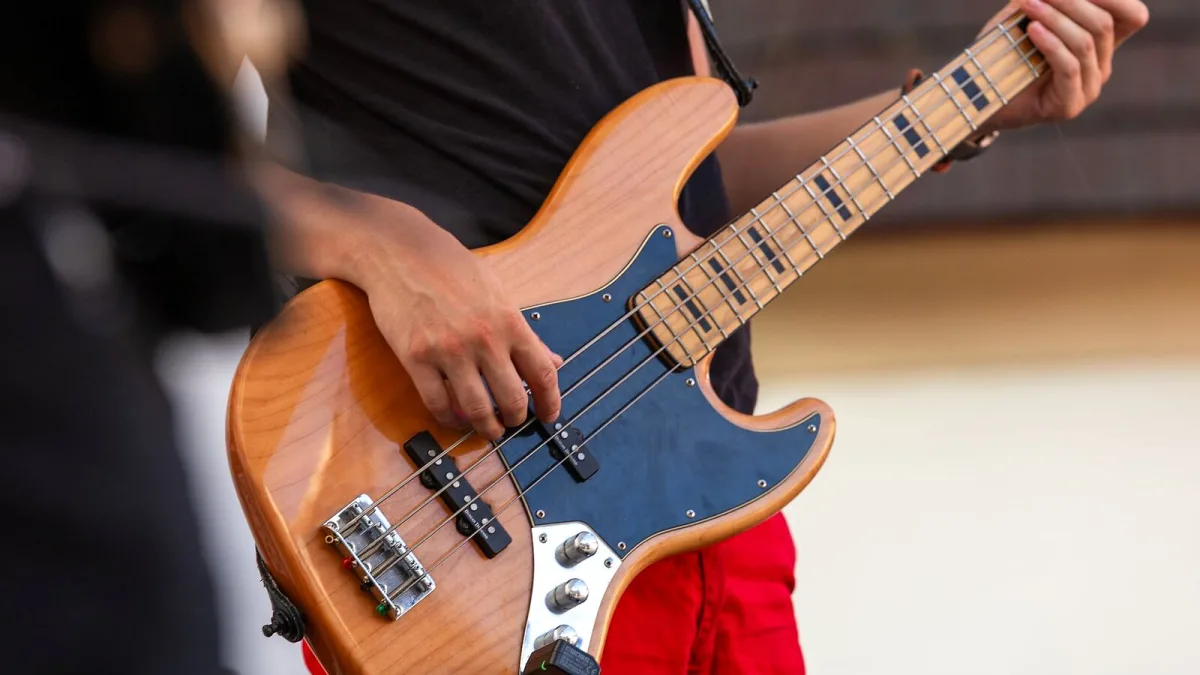
There's more than one way to play bluegrass, and the differences matter more than the family resemblance suggests at first listen. Here's an honest map of the main bluegrass strands, and what actually separates one from the next.
Traditional Bluegrass
This is the sound Bill Monroe's Blue Grass Boys established in the 1940s and that Flatt & Scruggs and the Stanley Brothers developed through the decades that followed — acoustic instruments only, close vocal harmony, rotating instrumental breaks and a strong, driving pulse. If someone says "real bluegrass" without qualifying it further, this is almost always what they mean.
Progressive Bluegrass
From the 1960s onward, musicians started stretching the traditional vocabulary outward — more sophisticated harmony, folk and jazz influence, original songwriting and occasionally electric instrumentation, while generally keeping the core acoustic instrumentation intact. John Hartford's genre-bending work and the Seldom Scene's more urbane arrangements both sit comfortably here. The boundary with traditional playing has never been fixed, and plenty of artists move between both worlds depending on the song.
Newgrass
A close cousin of progressive playing, newgrass leans even further into improvisation, jazz phrasing and expanded repertoire, often borrowing structure and ambition from rock and jam-band culture. Old & in the Way, with Jerry Garcia and David Grisman among its members, is a classic example of how far this strand pulled traditional technique toward a completely different audience.
Jamgrass
Jamgrass takes the improvisational instinct further still, building extended live arrangements clearly indebted to the jam-band scene while keeping largely acoustic, string-band instrumentation at its core. It's less about a fixed studio arrangement and more about what happens when skilled players stretch a tune out live, night after night, in front of an audience that wants exactly that.
Old-Time Music: A Close Relative, Not a Subgenre
It's worth being precise here, because old-time music is genuinely a separate, older Appalachian tradition rather than a subgenre of bluegrass. Old-time ensembles typically play the melody together in a continuous groove, and the banjo is usually played clawhammer style. Bluegrass, by contrast, alternates between vocal sections and individual instrumental breaks built around Scruggs-style three-finger picking. Both traditions share deep roots, but they're not the same thing, and it's a common beginner mix-up worth clearing up early.
Grassicana
A newer, broader term covering material that sits right at the edge of strict genre lines — acoustic, roots-oriented and clearly influenced by the classic vocabulary, but blended freely with Americana, folk and contemporary singer-songwriter sensibilities. Current chart coverage increasingly tracks this space separately from strict traditional or progressive playing, which tells you something about how much the audience for both has grown.
| Strand | Defining trait |
|---|---|
| Traditional | Acoustic-only, close harmony, rotating breaks |
| Progressive | Jazz/folk influence, expanded harmony |
| Newgrass | Heavy improvisation, rock and jam-band ambition |
| Jamgrass | Extended live improvisation, jam-scene culture |
| Old-time | Continuous ensemble melody, clawhammer banjo |
| Grassicana | Blended with Americana and singer-songwriter styles |
How to Tell Them Apart by Ear
Rather than memorising definitions, listen for a few practical clues. Is the banjo rolling in tight, driving patterns, or is it absent entirely in favour of a looser, jam-oriented groove? Does a song stick to a fixed verse-chorus shape, or does it stretch out into extended, evolving improvisation? Is the harmony close and traditional, or clearly borrowing from folk, jazz or contemporary singer-songwriter phrasing? None of these questions has one right answer, but working through them will tell you more about where a track actually sits than any label on a streaming playlist.
Why the Boundaries Stay Blurry
None of these labels are handed down by any governing body. They're working descriptions used by fans, journalists and radio programmers to talk about a tradition that keeps evolving, and plenty of songs and artists comfortably straddle two categories at once. Don't get too precious about pinning one label on everything you hear — that's simply not how the community actually talks about its own music.
The Bottom Line
Once you can tell traditional playing from newgrass, and both from old-time's continuous groove, the rest of this world opens up fast. For the artists who defined these different strands, our guide to the best bluegrass artists is a natural next stop, and our essential albums guide puts several of these subgenres into proper listening order.




Comments