


Bluegrass article
Bluegrass for Newcomers: Where to Start
It almost never starts with a history lesson. It starts with a banjo break that makes you sit up. Here's a gentle way into bluegrass, built for beginners.

I've watched plenty of people fall for bluegrass over the years, and it almost never starts with a history lesson. It starts with a banjo break that makes them sit up, or a harmony that catches somewhere in the chest. So let's begin there, not with theory, and build outward gently from what actually grabs you.
Start With a Feeling, Not a Family Tree
Put on Bill Monroe's "Blue Moon of Kentucky" or Flatt & Scruggs's "Foggy Mountain Breakdown" and just listen. Don't worry yet about who influenced whom, or which decade produced which style. Notice the drive, the way the instruments seem to be having a conversation with each other, and the moment a solo breaks free from the rest of the band. That feeling is the whole reason to keep going.
Learn to Hear the Band, One Piece at a Time
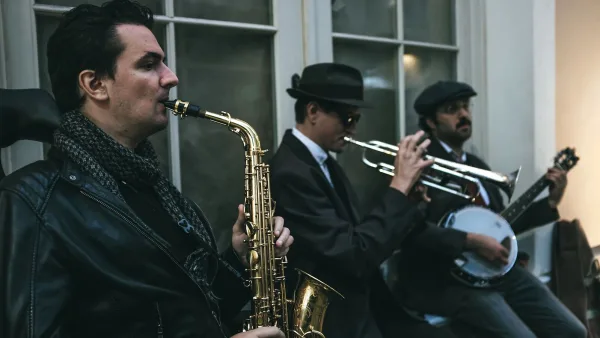
Once a track has hooked you, go back and listen again, but this time pick just one instrument to follow. The mandolin's choppy off-beat rhythm. The banjo's rolling, rapid-fire patterns. The upright bass holding everything steady underneath. Do this a handful of times with different instruments and you'll find the whole ensemble suddenly makes far more sense — not because anyone explained it to you, but because your own ear did the work.
A Gentle Six-Song Bluegrass Starting Path
- Bill Monroe — "Blue Moon of Kentucky." The foundational sound, urgent and driving.
- Flatt & Scruggs — "Foggy Mountain Breakdown." The banjo doing things you won't quite believe at first.
- The Stanley Brothers — "Man of Constant Sorrow." The high-lonesome vocal sound at its most affecting.
- Tony Rice — a track from Manzanita. Notice how much more modern and jazz-inflected the guitar sounds here.
- Alison Krauss & Union Station — anything from her catalogue. A gentler, more contemporary entry point if the earlier tracks feel a little raw at first.
- A current radio favourite. Anything topping this week's bluegrass airplay chart, just to hear how alive the genre still is.
You Don't Need to Play an Instrument to Belong Here
Bluegrass has a well-earned reputation as a player's genre, all jam circles and fast picking, and that can feel intimidating from the outside. But you don't need to hold a banjo to properly love it. Plenty of the most devoted listeners never learned a single chord — they just kept showing up to festivals, kept following the same bands for decades, and let the music do what it does. Enjoying it is not a lesser way in.
If You Do Want to Pick Up an Instrument
Should the itch to play bluegrass arrive anyway, here's the honest version: guitar is usually the most accessible starting point, since a steady boom-chuck rhythm and a few common keys will get you playing along quickly. Banjo and fiddle both demand more patience before anything sounds satisfying, so don't be discouraged if progress feels slow at first — that's normal, not a sign you've picked the wrong instrument. A well-set-up instrument matters more than an expensive one when you're starting out.
Where Newcomers Usually Trip Up
- Assuming it's all sad songs. There are just as many fast, joyful instrumentals and comic numbers as there are heartbreak ballads.
- Confusing it with old-time music. They're close cousins, but old-time keeps the whole band playing melody together, while bluegrass rotates solo breaks between players.
- Expecting one definitive "best of" list. Different charts and critics genuinely disagree, and that's part of a living tradition, not a failure of consensus.
Finding Bluegrass Near You
If there's any way to hear this live, take it before you do anything else. Festivals, folk clubs and informal jam sessions are where the tradition actually breathes, and watching musicians trade solos in real time, reading each other without a word, will teach you more in one evening than weeks of listening alone ever could. Even a small local gathering carries a real thread back to the porches and radio stations where all this began.
Take Your Time
Nobody's testing you on band lineups or release years. Let the feeling come first, let the understanding follow at its own pace, and don't rush past the songs that grab you just because a list says you should move on. When you're ready to go deeper, our beginner's guide and history of bluegrass fill in the background properly, and our guide to the best artists is waiting once a few names have already started to stick.




Comments