


G Funk roundup
The Best G Funk Songs Right Now
The production from this era has aged unusually well. These are the tracks that best represent what the genre does, and why each one still holds up as a listening experience.
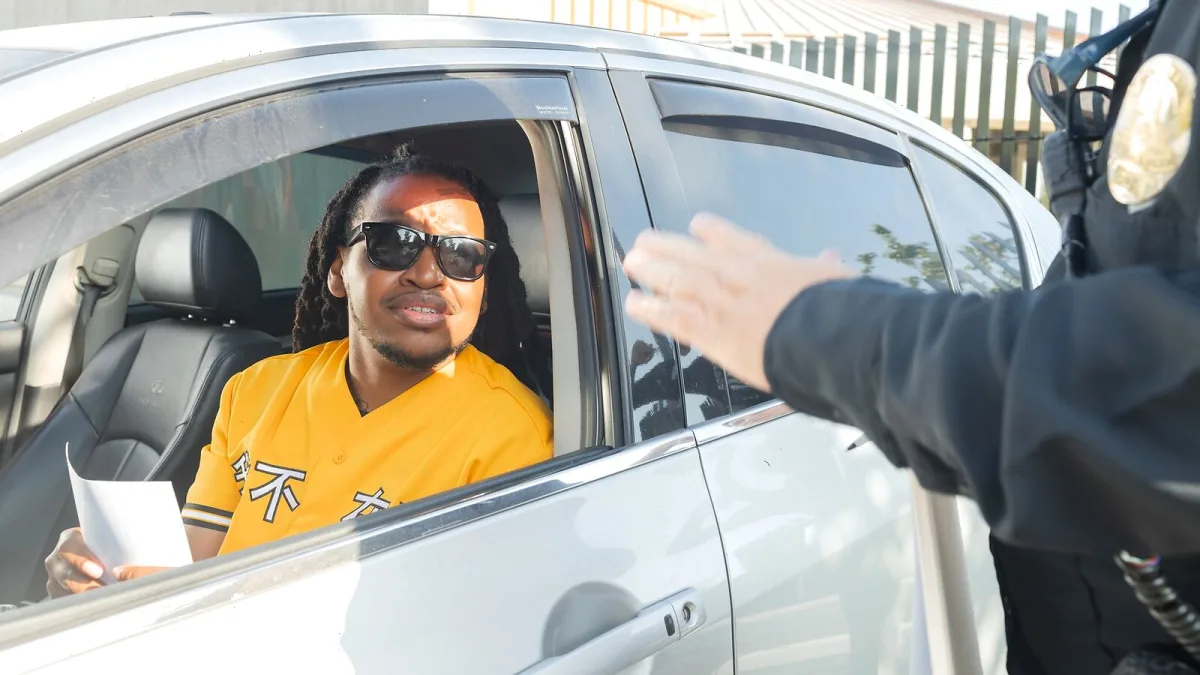
The songs that define the genre aren't just historically important — they hold up as listening experiences in a way that much of their era doesn't. The production has aged unusually well: the warm synthesis, the slow grooves and the melodic bass feel contemporary in a way that harder-hitting 1990s hip-hop production often doesn't. Here are the g funk tracks that best represent what the sound actually does, and why each one matters.
Nuthin' But a G Thang — Dr. Dre feat. Snoop Dogg (1992)
The definitive g funk track from The Chronic and the one that announced the genre to the mainstream. The production centres on a slowed-down Leon Haywood sample, a rolling bassline and a Minimoog lead that sits underneath rather than over the vocal. Snoop Dogg's delivery — unhurried, almost conversational — was unlike anything on mainstream hip-hop radio at the time. The track functions as an introduction to the entire sonic approach: nothing is rushed, nothing is aggressive, and the groove carries the song rather than the other way around.
Regulate — Warren G feat. Nate Dogg (1994)
Perhaps the most widely recognised track in the g funk catalogue, "Regulate" interpolates Michael McDonald's "I Keep Forgettin'" for its central hook and builds one of the most memorable sequences in 1990s hip-hop around it. Nate Dogg's sung hook has a quality that's difficult to explain: slow, deliberate and seemingly effortless, it makes the song feel like it exists at a slightly different speed from everything around it. The narrative — two friends separated on a night out and reunited in increasingly implausible circumstances — is delivered with total deadpan conviction.
Who Am I (What's My Name?) — Snoop Dogg (1993)
The lead single from Doggystyle and the track that introduced Snoop Dogg as a solo act. The "bow wow wow" hook, the laid-back flow and the D-O-G-G rhyme scheme established Snoop's vocal identity in a single listen. The production, built around a Roger Troutman sample, is lighter and more playful than some of the deeper album tracks, which made it an accessible entry point for listeners outside the existing West Coast hip-hop fanbase.
Let Me Ride — Dr. Dre (1993)
"Let Me Ride" samples Parliament's "Mothership Connection" and "Swing Down, Sweet Chariot" — a more direct reference to the P-Funk tradition than many other g funk tracks of the era. It won the Grammy for Best Rap Solo Performance in 1994, bringing the genre its most prominent mainstream recognition. The production is slightly slower and more atmospheric than "Nuthin' But a G Thang", and the George Clinton connection is audible throughout.
Gin and Juice — Snoop Dogg (1993)
A track that became genuinely ubiquitous but rewards closer listening. The production — built around a Slave sample — is warmer and more relaxed than much of the Doggystyle album, and Snoop's delivery matches it perfectly. It became one of the most parodied and covered songs of the decade, which is both a testament to its cultural penetration and, arguably, a reason it's somewhat underestimated as a piece of production.
187um — DJ Quik (1995)
A showcase for DJ Quik's g funk production approach at its most sophisticated. "187um" (from Safe + Sound) demonstrates how inventive the genre's production could be outside the Death Row axis: the arrangement is layered and detailed in ways that reward repeated listening, and Quik's own rapping sits at the centre with a confidence that his more celebrated contemporaries sometimes overshadow. For a broader sense of the artists behind these songs, see the guide to the key artists in the genre.





Comments