


G Funk article
A Beginner's Guide to G Funk
G funk defined West Coast hip-hop in the early 1990s — slow, synth-heavy and deeply rooted in Parliament-Funkadelic. Here's what you need to know before you listen.
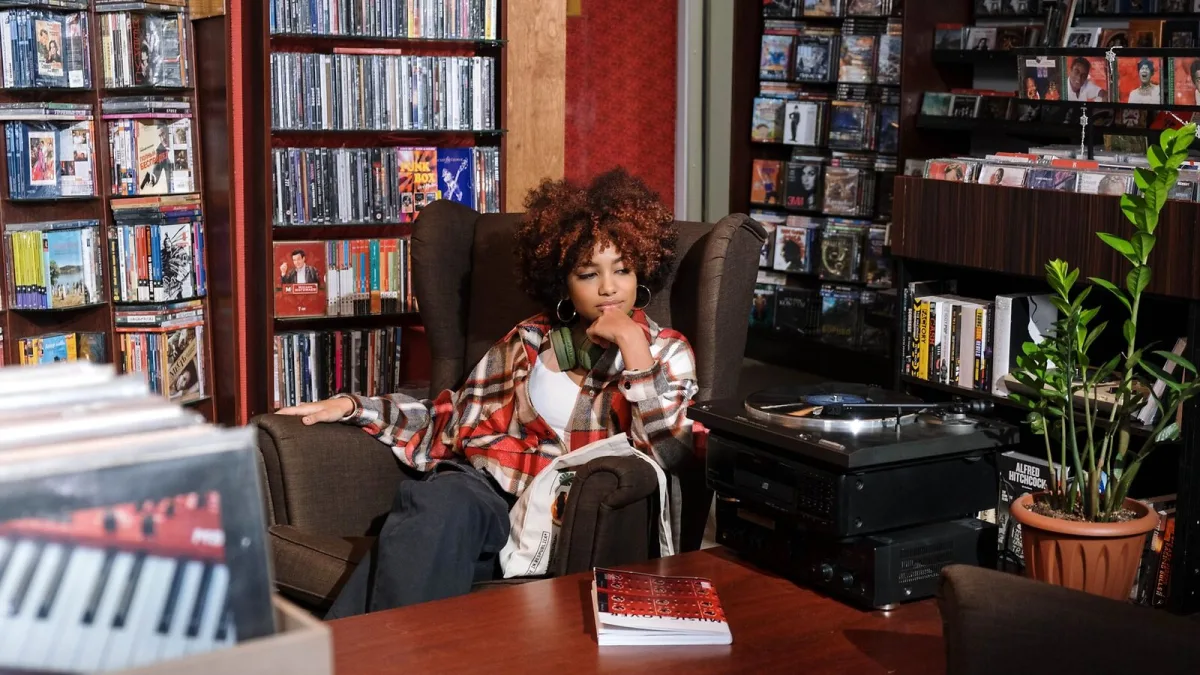
You've heard it thousands of times without necessarily knowing its name: that slow, warm, synthesiser-heavy sound with deep bass, wailing lead lines and an effortless West Coast cool that defined a particular strain of early 1990s hip-hop. That's G funk — and if you're new to it, the entry point is surprisingly generous. This is music that rewards attentive listening but never demands it.
What Is G Funk?
G funk is a subgenre of hip-hop that emerged from Los Angeles in the early 1990s, drawing heavily on the Parliament-Funkadelic tradition of George Clinton while filtering it through the West Coast rap scene. The G stands for "gangsta" — reflecting the music's lyrical content — but the sound itself is defined more by its warmth and groove than its edge. Slow to mid-tempo beats, prominent Minimoog synthesiser melodies, heavy bass lines, laid-back vocal delivery and liberal sampling of P-Funk records are the core ingredients.
Dr. Dre's 1992 album The Chronic established the blueprint. Snoop Dogg's Doggystyle (1993) and Warren G's Regulate (1994) extended it into a full-blown commercial phenomenon. For a stretch in the early-to-mid 1990s, it essentially was West Coast rap in the mainstream consciousness.
How the Sound Came Together
The roots are in two places: the West Coast rap tradition and the P-Funk universe. Artists like Dr. Dre had already been working in the gangsta rap scene with N.W.A, but the sonic shift this music represents — away from the harder, more aggressive production of late 1980s East Coast hip-hop and toward something slower and more groove-oriented — owed an enormous debt to George Clinton's Parliament and Funkadelic records.
Dr. Dre didn't just sample those records; he built an entire aesthetic philosophy around their sound. The Minimoog basslines, the pitched-down vocals, the heavily processed drum machines, the wailing lead synth lines — all of these came from a deep engagement with funk of the 1970s, brought forward into a new context.
The Key Sounds
Several sonic elements appear consistently across records from this era:
- Synthesiser melodies: Prominent, often wailing lead lines played on a Minimoog or similar analogue synthesiser. These melodic hooks are frequently the most memorable element of any track in the genre.
- Heavy bass: Deep, melodic bass lines that sit at the centre of the mix and often carry as much of the song's movement as the drums.
- Slow-rolling drums: Typically LinnDrum or 808-based, with a relaxed, swinging feel rather than the harder-hitting drum sounds of East Coast hip-hop.
- P-Funk samples: Vocal snippets, instrumental passages and sound effects sampled from Parliament-Funkadelic records appear throughout the genre's classic recordings.
- Laid-back vocal delivery: The rapping style tends toward a relaxed, conversational flow rather than aggressive or rapid-fire delivery.
Why It Matters
The genre remains one of the most distinctive and influential sounds in hip-hop history. Its impact on producers who came after — including Pharrell Williams, Scott Storch and many later West Coast artists — is audible throughout the following decades. Artists like Kendrick Lamar and Tyler, the Creator have returned to its sonic palette at key moments in their careers, demonstrating both its continuing appeal and its deep roots in Los Angeles music culture.
It also has a remarkable listen-through quality. The albums from this era — The Chronic, Doggystyle, Regulate — were designed as complete listening experiences rather than collections of singles. Put one on and it draws you through from beginning to end in a way that few contemporary hip-hop records manage.
Where to Begin
The natural starting point is Dr. Dre's The Chronic — not because it's necessarily the best (a lively debate), but because it establishes every element of the sound in definitive form and remains the clearest expression of what the genre sounds like. Follow it with Doggystyle, then Warren G's Regulate. From there, DJ Quik, Tha Dogg Pound and Nate Dogg fill out the picture considerably.
For the key artists and what each one brings to the genre, see the guide to the best g funk artists to know. And for the essential albums in full, the essential g funk albums guide covers each one in detail.



Comments