


Trap Music roundup
The Best Trap Music Artists to Know
The rapper you hear and the producer building the world underneath — here are the artists on both sides of the booth who shaped trap music.
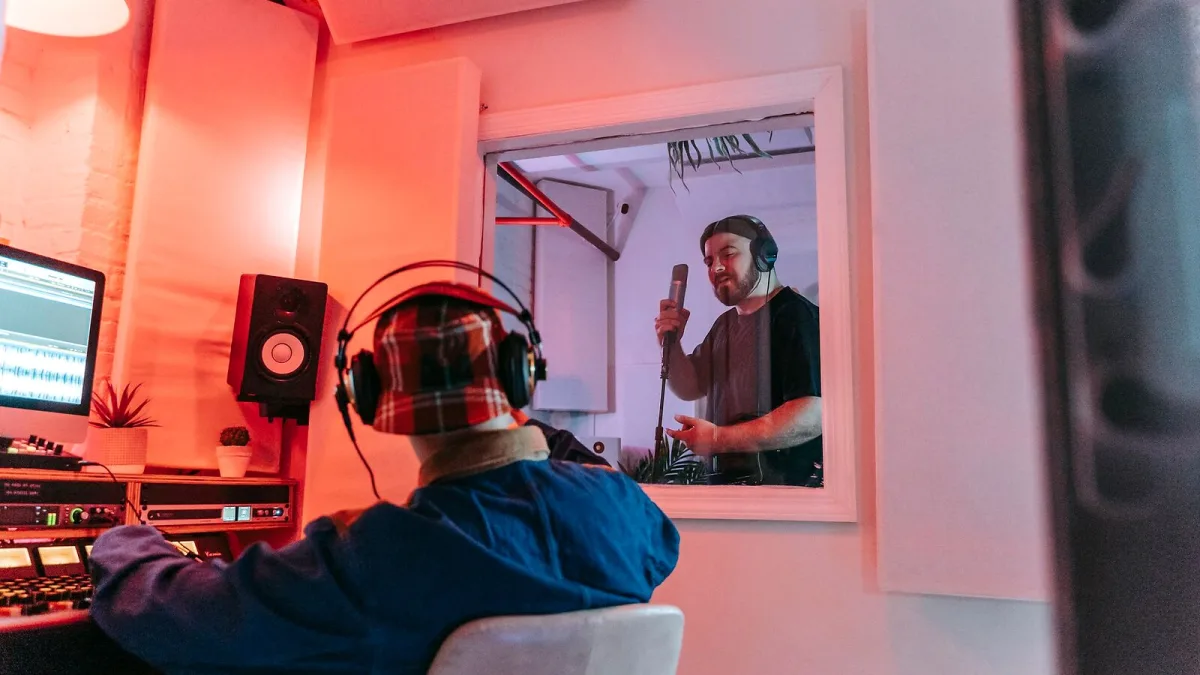
Behind every great trap music track there's usually two people worth knowing about — the rapper you hear and the producer building the world underneath them. It's always been a bit of a team sport that way, so this list covers both sides of the booth, from the originators to the ones still shaping the sound now.
The Trap Music Originators
T.I.
You can't tell this story without him — his 2003 album Trap Muzik is the record that gave the whole genre its commercially recognisable name. He didn't invent the sound single-handedly, but he gave it a flag to rally around, and that matters.
Young Jeezy
A central figure in Atlanta street rap, Jeezy carried trap's early narratives — the grind, the hustle, the survival instinct — to an audience well beyond the South. His voice is instantly recognisable, all gravel and conviction.
Gucci Mane
Relentlessly, almost absurdly prolific, Gucci Mane's mixtapes and independent releases shaped trap from the ground up during the mid-2000s. There's a genuine underdog quality to his story — an artist who kept working through real setbacks and came out the other side as one of the genre's most influential voices.
The Producers Who Built the Sound
Shawty Redd
One of the architects of the early Atlanta production template — the sound most people picture when they think "classic trap" traces back to work like his.
DJ Toomp
Closely tied to T.I. and the early mainstream presentation of the genre, helping translate a regional sound into something radio-ready without losing its edge.
Zaytoven
A genuinely distinctive voice among trap producers — his gospel- and classical-influenced keyboard playing gives his beats a melodic warmth that stands apart from the genre's harder edges.
Lex Luger
Pushed trap toward a bigger, more orchestral, maximalist sound during the early 2010s — huge drums, dramatic hits, a real sense of scale.
Southside
A leading figure in the 808 Mafia production collective, known for dense, aggressive low end and a sound that hits hard without much room to breathe — deliberately so.
Metro Boomin
One of the most recognisable names in modern trap production, known for spacious, ominous arrangements that manage to feel both minimal and enormous at once.
The Modern Faces of the Genre
Future
Nobody's brought more emotional complexity to trap's modern era. His melodic, Auto-Tuned delivery turned street songwriting into something that could sound genuinely vulnerable, which was a real shift for the genre.
Migos
The group that connected Atlanta trap to a more rhythmically intricate, wildly commercially successful sound — their interlocking, syncopated flows became one of the most widely imitated vocal styles in all of hip-hop.
Waka Flocka Flame
Pure high-energy force — his early-2010s output represents trap at its most hard-hitting and immediate, built for a crowd that wants to move.
Why It's Worth Knowing Both Sides
It's tempting to focus purely on the rappers, but trap music has always been unusually producer-forward as a genre — ask any fan to name a Metro Boomin tag or a Zaytoven adlib and they probably can, instantly. Understanding the producers behind these records is genuinely half the story, and often the half that gets less credit than it deserves.
That's also why so many careers here are built on partnerships rather than solo genius — a rapper and a producer finding a shared instinct for tension, space and low end, and riding that chemistry across an entire run of records.
Bottom Line
From T.I.'s naming moment through Gucci Mane's mixtape grind to Metro Boomin's modern minimalism, the history of trap music is a story built by rappers and producers in equal measure. Want the fuller picture of how it all connects? Our history of trap music traces the timeline properly, and our essential albums guide is the natural next stop. New to the genre entirely? Start with our beginner's guide, and our guide for newcomers gives you an actual listening order to follow.




Comments