


Trap Music article
A Beginner's Guide to Trap Music
Booming 808s, fluttering hi-hats and dark, sparse melodies — here's what actually makes trap music trap music, laid out plainly.
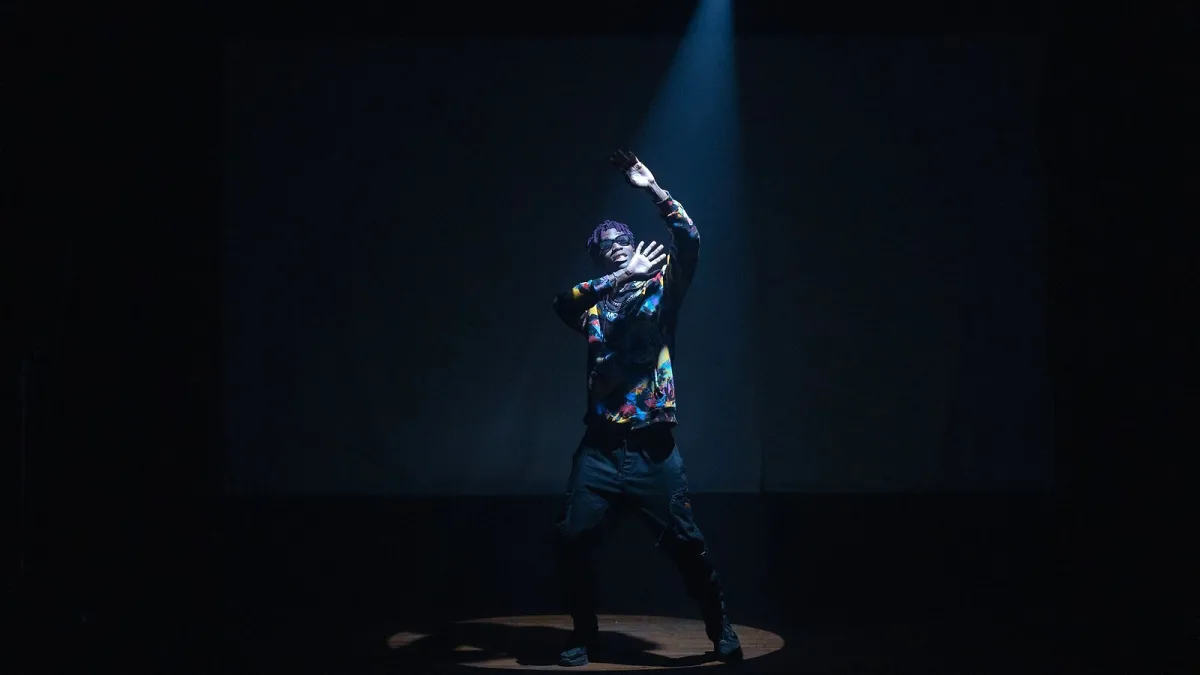
If you've heard a song with a booming, rolling bassline, hi-hats that seem to flutter impossibly fast, and a dark, half-empty beat underneath the vocals, you've heard trap music. It's one of the most influential sounds in modern hip-hop, and understanding what actually makes it tick isn't complicated once someone lays it out plainly. So let's lay it out plainly.
What Trap Music Actually Is
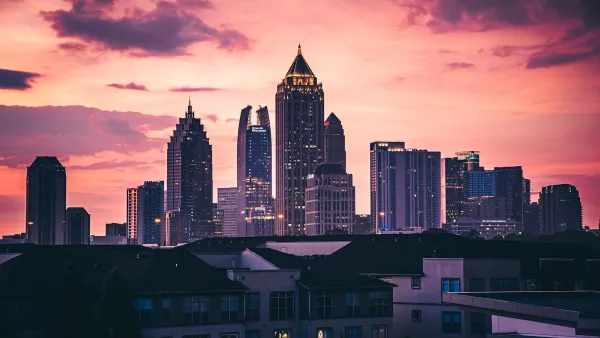
Trap is a subgenre of hip-hop that grew out of the Southern United States, particularly Atlanta, in the late 1990s and early 2000s. The name comes from "the trap" — Southern street slang for a place where drugs are sold — and early trap lyrics were built around street economics, survival and the realities of that world. The genre has moved a long way beyond that single subject since, but the name and the sound stuck.
The Sound: What to Listen For
- Deep 808 bass — a long, tuned sub-bass sound that often doubles as both the kick and the low end of the track.
- Rapid hi-hat rolls — hi-hats programmed in fast sixteenth- or thirty-second-note bursts, creating a sense of speed even over a slow, half-time groove.
- Sparse, dark melodies — bells, plucked synths or minor-key pads used sparingly rather than dense chord progressions.
- Crisp, hard snares — usually landing with real weight, giving the beat its snap.
Most trap beats sit somewhere around 130–170 BPM, though the groove is often felt in half-time, which is why it can feel slower and heavier than the raw tempo number suggests.
Where It Came From, in Brief
Trap didn't appear from nowhere — it grew out of earlier Southern styles like crunk and Southern bass music, with the lyrical grit of street and gangsta rap layered on top. T.I.'s 2003 album Trap Muzik is widely credited as the moment the style got a name that stuck, though it developed through a whole network of Atlanta rappers, producers and mixtape culture rather than any single inventor. Young Jeezy and Gucci Mane helped carry the sound to a wider audience through the mid-2000s.
Why the TR-808 Matters
The Roland TR-808 drum machine is central to trap's identity, even though most producers today use samples and software recreations of its kick and percussion sounds rather than an original hardware unit. That deep, tunable 808 kick — doubling as bass — is arguably the single most recognisable ingredient in the whole genre.
Trap Isn't Just One Thing Anymore
The word "trap" now covers a few related but distinct ideas: the original Southern rap tradition, contemporary hip-hop production more broadly, and "festival" or EDM trap, which borrows the rhythmic and bass vocabulary but sits in dance music rather than rap. It's worth knowing which one someone means when they say "trap" — they're related, but not interchangeable.
How Trap Differs From Its Neighbours
| Style | Key difference from trap |
|---|---|
| Boom bap | Sampled drums, loop-based, direct backbeat rather than sub-bass and hi-hat rolls |
| Drill | Distinct regional scenes (Chicago, UK, New York) with different cadences and accents |
| Crunk | Shouted, call-and-response club energy rather than sparse, ominous space |
| EDM trap | Built around festival drops and build-ups rather than rap verses |
A Few Common Misconceptions
It's worth clearing up a couple of things people often get wrong. First, trap isn't purely about drug-dealing lyrics — that was the genre's early lyrical territory, but modern trap covers braggadocio, heartbreak, introspection and straightforward pop songwriting just as often. Second, minor keys and dark tones are a strong tendency, not a rule — plenty of trap uses major-key, gospel-influenced or genuinely uplifting melodic material. And third, no single person "invented" trap; it emerged from a whole Atlanta network of rappers and producers rather than one studio session.
The Bottom Line
Trap music is a Southern hip-hop sound built on deep 808s, fast hi-hats and sparse, dark melodies, and it's grown from Atlanta street rap into one of the most widely borrowed production languages in modern music. Want the fuller story? Our history of trap music traces it properly, and our guide to the best artists to know is the natural next stop. Curious about the different flavours the genre's taken on? See our subgenres explained, and if you're brand new and just want a place to start listening, our guide for newcomers is built exactly for that.


Comments