


Mumble Rap article
Mumble Rap for Newcomers: Where to Start
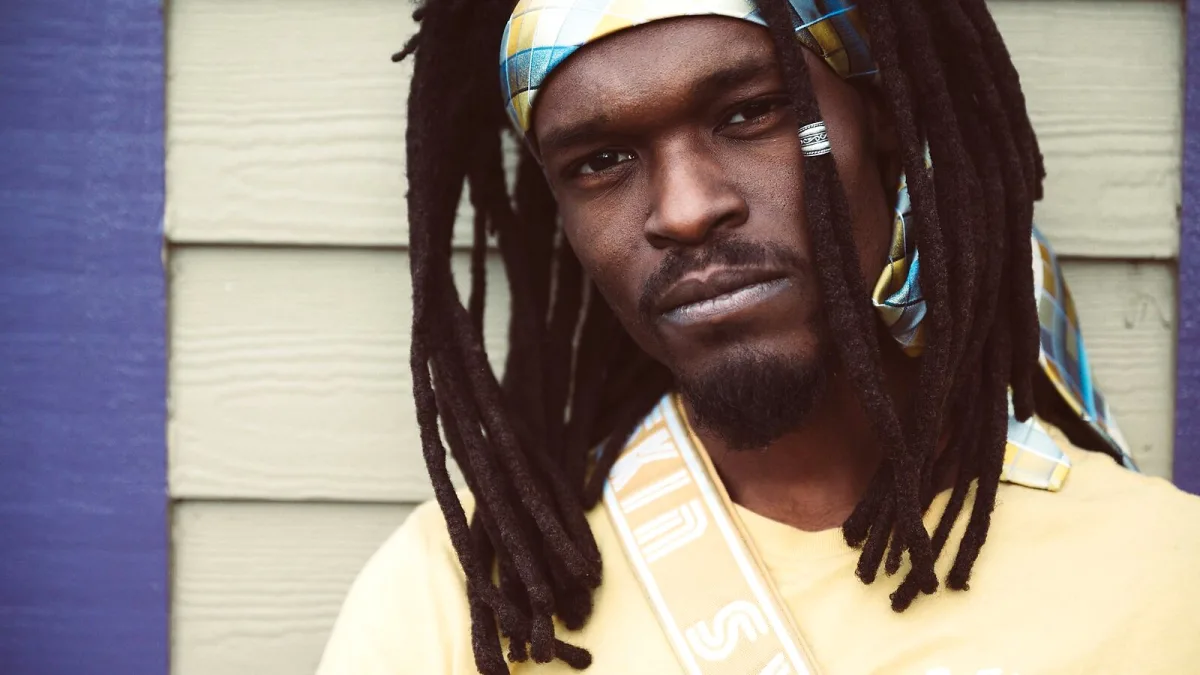
Starting with mumble rap is straightforward once you identify which strand of the style you want to explore first. The genre encompasses several distinct approaches — from dark Atlanta trap to emo-influenced SoundCloud rap — and the best entry point depends on which sonic or emotional register appeals to you. There is no single correct entry point: the artists, production styles and emotional textures vary enough that what connects for one listener may not connect for another.
Start with a Single Artist
Picking one mumble rap artist and working through their catalogue methodically is more effective than starting with a genre playlist. For Atlanta trap, Future's DS2 (2015) is the strongest starting album — it is sequenced well and represents his approach at its most consistent. For the SoundCloud strand, Lil Uzi Vert's "XO TOUR Llif3" is an accessible single entry point, with Luv is Rage 2 as the follow-on album. For Migos, "Bad and Boujee" from Culture (2017) is the most efficient entry point — if the triplet flow and production density appeal, the album rewards the full listen.
Use Streaming Playlists to Identify Your Preferences
Most major streaming platforms have editorially curated mumble rap playlists. Starting with a playlist of twenty to thirty tracks and identifying which three or four you return to gives you a clearer picture of your preferences within the genre than reading about it. Note the producers and artists on the tracks you prefer — Metro Boomin, Pi'erre Bourne and Southside each have distinctive production signatures that appear across multiple artists' catalogues.
Follow the Production Connections
Producer-led listening is particularly effective here because the same small group of producers worked across multiple artists' projects during the mid-2010s peak. Metro Boomin produced for Future, Migos, Young Thug and others; Southside worked extensively with Future; Pi'erre Bourne built much of Playboi Carti's catalogue. Following a producer you like into unfamiliar artists' work often reveals connections you would not encounter through genre-based browsing.
Context Helps Without Being Required
Understanding the cultural and commercial context — the SoundCloud distribution model, the Atlanta trap scene's development, the critical reception — adds depth without being necessary for enjoying the music. The history guide and the subgenres guide cover both in more detail for those who want the background before diving in.






Comments