


Witch House article
The History of Witch House
A scene built on MySpace and blogs, named half as a joke, and burned out within a few years. Here's how witch house actually happened, in order.
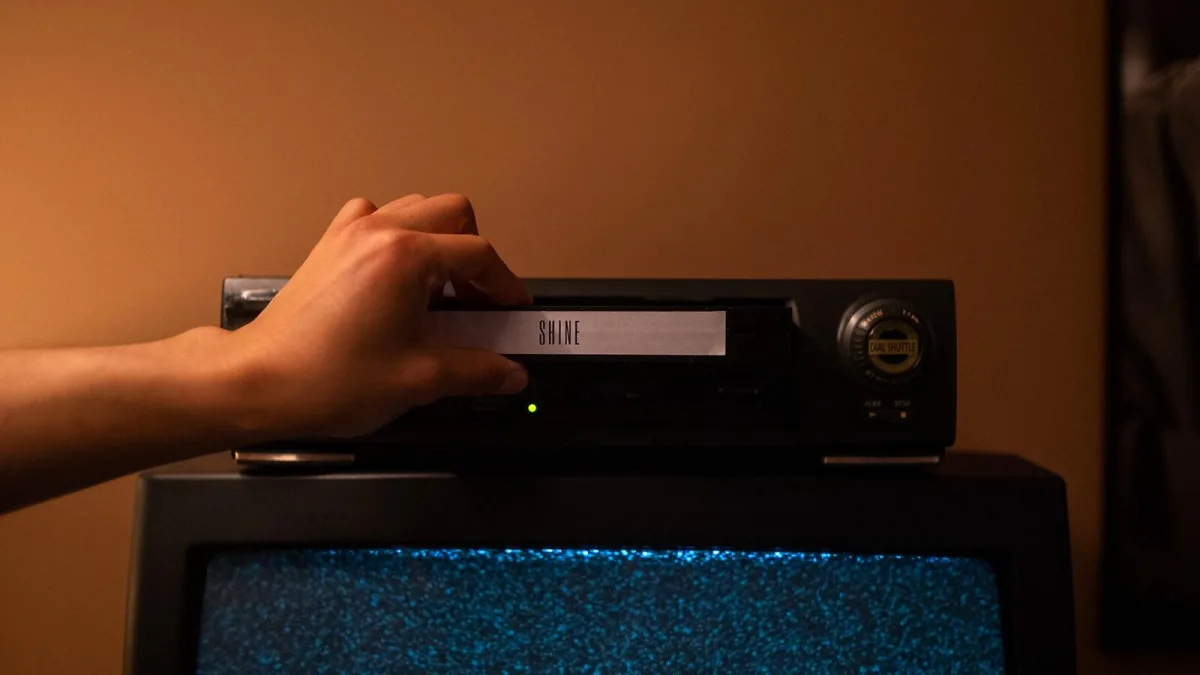
Right, let's get the story of witch house straight, because it gets muddled a lot. This wasn't a scene born in a studio or launched by a label with a plan. It was cobbled together online, in bedrooms, over a couple of frantic years, and it burned out almost as fast as it caught fire. Here's how it actually happened, in order.
Before It Had a Name: The Late 2000s
The raw material existed before anyone called it anything. Cheap production software and file-sharing meant isolated producers could build a distinctive sound without any industry backing at all. One crucial ingredient came from a long way from any goth club: DJ Screw's Houston tradition of slowing and pitching down hip-hop records, known as chopped-and-screwed. That dragging, weighted-down rhythm became the backbone of witch house, once producers started bolting goth harmony and industrial noise onto it.
2009: The Genre Gets a Name
The Denver artist Travis Egedy, recording as Pictureplane, is the name most commonly credited with the term itself, used around 2009 — by some accounts half as a joke, describing the sound as "occult-based house music." Whether he meant it seriously is genuinely disputed, but the label stuck once journalists and fans started using it to describe a sound that was already forming in scattered pockets online.
2010: The Sound Finds Its Defining Record
This is the year the scene actually crystallised. The Michigan trio Salem released King Night through IAMSOUND Records, and it became — almost immediately, and certainly in hindsight — the genre's central document: huge, damaged synths, brutally slow beats, bleak vocal processing and gothic imagery all fused together. The same year brought White Ring's harder-edged Black Earth That Made Me and oOoOO's sparse, ghostly self-titled release, giving the scene two very different additional templates within months of each other.
An Internet Scene, Not a Club Scene
None of this happened in venues. It happened on MySpace, on music blogs, through file-sharing and a handful of small digital labels — Disaro Records, associated with early oOoOO and White Ring material, chief among them. Artist names built from symbols like † and △, degraded VHS-style artwork, occult and horror imagery: the look spread as fast as the sound, and for a good while it was hard to say which one was actually driving the other.
2011–2012: The Sound Widens
Balam Acab's Wander/Wonder pulled the aesthetic towards ambient, choral and experimental pop territory in 2011. Holy Other's Held, in 2012, went further still — softer, more intimate, closer to a whispered R&B record than anything you'd call abrasive. By this point the witch house label was already stretching to cover music that had very little in common sonically beyond a shared mood and a shared online orbit. Tri Angle Records became a key hub for this wider, harder-to-classify field of dark experimental electronic music, even though plenty of its artists never accepted the witch-house label at all.
Why It Faded So Fast
A few things happened at once. The artists most associated with the sound moved on to different projects or went quiet. The small labels that had sustained the scene became less active. The visual tropes — the symbols, the occult imagery — became easy enough to copy that they stopped meaning much. And the wider music industry started absorbing the production techniques without bothering to use the name at all. By the mid-2010s, the named movement had largely dissolved, even though the sound itself hadn't gone anywhere.
What Actually Survived
The techniques outlived the label. Pitched-down, texture-first vocals, sub-heavy distorted bass, industrial noise laid over half-time rhythms — all of it migrated into darker corners of pop, experimental hip-hop and alternative R&B, carried by producers who'd absorbed the sound without necessarily calling it witch house. If you want to hear how that legacy actually plays out across individual artists, our guide to the genre's essential artists is the natural next stop, and our essential albums guide puts the key records in proper listening order.
A Word on the Disputed Bits
Not everything here is settled history. Some accounts trace the term's origins to New York's club scene rather than Pictureplane's own account; some place the sound's true starting point earlier than 2009. None of that contradicts the basic shape of the story — it just confirms that a scene this scattered never had one clean origin story to begin with.
The Bottom Line
This is a genre that lived fast: a couple of years of genuine online momentum, one album most people agree defines it, and a slow scattering of its techniques into music that rarely bothers with the name any more. That's not a failure — plenty of genres would be lucky to leave that much of a mark in so short a window.



Comments