


Witch House article
Essential Witch House Albums Explained
This scene was built on full albums, not singles. Here are the six records that explain how witch house formed, split and mutated in three years.
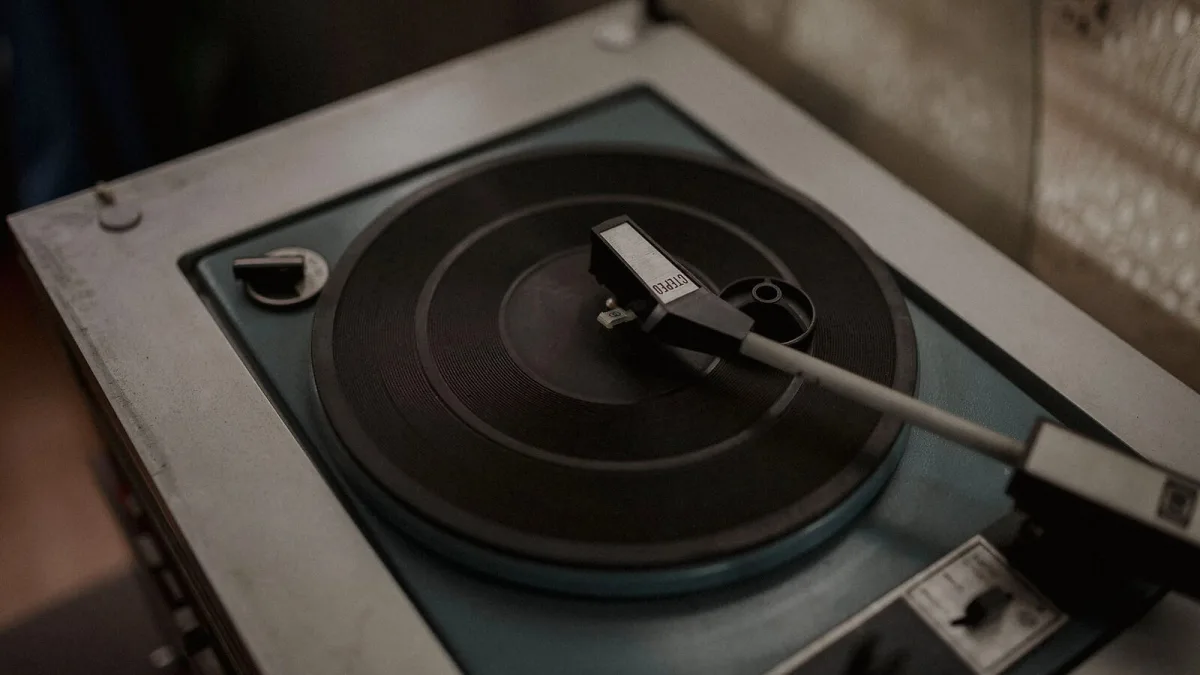
Forget playlists for a second — witch house was built on full-length statements, not singles, and a handful of albums genuinely explain how the sound formed, split and mutated in the space of about three years. Here's the essential run, in the order that actually makes sense to hear it.
1. Pictureplane — Dark Rift (2009)
Start here and you're hearing the scene before it had a name. Travis Egedy's Pictureplane project laid down a template — dark, electronic, distinctly online — a full year before the sound's best-known wave arrived. Egedy himself is the person most widely credited with coining the term "witch house" around this same period, reportedly half-joking that it was "occult-based house music." Dark Rift is the missing context most listeners skip straight past.
2. Salem — King Night (2010)
This is the record. Released through IAMSOUND Records, King Night is treated by nearly every serious retrospective as witch house's defining full-length — huge, damaged synths, brutally slowed rhythms, gothic melody and vocals buried deep enough that they function as texture rather than lyric. One reviewer described it as built on "heavy industrial synths and abrasive percussion tactics," and a decade on it's still the album people mean when they use the term without qualification. If you only hear one record from this list, make it this one.
3. oOoOO — Self-Titled (2010)
Chris Dexter's project takes the same year's sound somewhere sparser. Chopped vocal fragments, minimal dark electronics and a slow, weighted pulse make this the quieter, more spectral counterpoint to King Night's scale — proof the scene had range even within its founding year.
4. White Ring — Black Earth That Made Me (2010)
If King Night is gothic and oOoOO is spectral, this is the harsh end of the spectrum: clipped percussion, ominous drones, damaged vocal textures, and a genuinely confrontational edge that owes as much to industrial music as to anything goth. Kendra Malia and Bryan Kurkimilis built something here that still sounds abrasive by design, not by accident.
5. Balam Acab — Wander/Wonder (2011)
A year on, Alec Koone's Balam Acab pulled the whole aesthetic somewhere unexpected — fluid, aquatic, closer to ambient music or abstract pop songwriting than to anything menacing. It's often cited as one of the strongest expansions of the style beyond its 2010 core, and it's the record that best shows witch house bleeding into experimental R&B territory.
6. Holy Other — Held (2012)
By 2012, the sound had travelled a long way from its harsher roots. Held trades menace for intimacy — spacious production, fragmented vocals, a kind of romantic melancholy that plenty of critics reasonably filed under alternative R&B as much as witch house. It's the natural closing chapter of this six-album run.
| Album | Artist | Year | Character |
|---|---|---|---|
| Dark Rift | Pictureplane | 2009 | Pre-peak template |
| King Night | Salem | 2010 | The defining record |
| Self-titled | oOoOO | 2010 | Sparse and spectral |
| Black Earth That Made Me | White Ring | 2010 | Harsh and industrial |
| Wander/Wonder | Balam Acab | 2011 | Fluid and ambient |
| Held | Holy Other | 2012 | Intimate, R&B-adjacent |
Beyond the Core Six
The scene didn't stop cold in 2012 — it just got harder to find. Artists like Ritualz kept working a more explicitly industrial, occult-leaning fringe of the sound well after the genre's named peak had passed, and Salem themselves eventually returned with new material years later. None of that later work replaces the essential six above as a starting point, but it's worth knowing the story doesn't simply end in 2012.
Why Start With Albums, Not Tracks
This particular scene rewards full-length listening more than most. The atmosphere, the sequencing, the way a record builds and degrades across forty minutes — that's where the genre actually does its work, far more than in any individual three-minute cut. For a closer look at the artists behind these six records, our guide to the essential artists fills in the personal history, and our history of the genre covers how the whole scene rose and fell.
The Bottom Line
Six albums, three years, and about as much stylistic range as you'll find in any short-lived scene in recent memory. Start with King Night if you want the definitive statement, or work through the list in order if you want to actually hear witch house pull itself apart and reassemble in real time.




Comments