


Latin Music article
A Beginner's Guide to Latin Music
There's no such thing as a single Latin sound. Here's a clear, logical foundation for understanding the many traditions hiding under that one label.
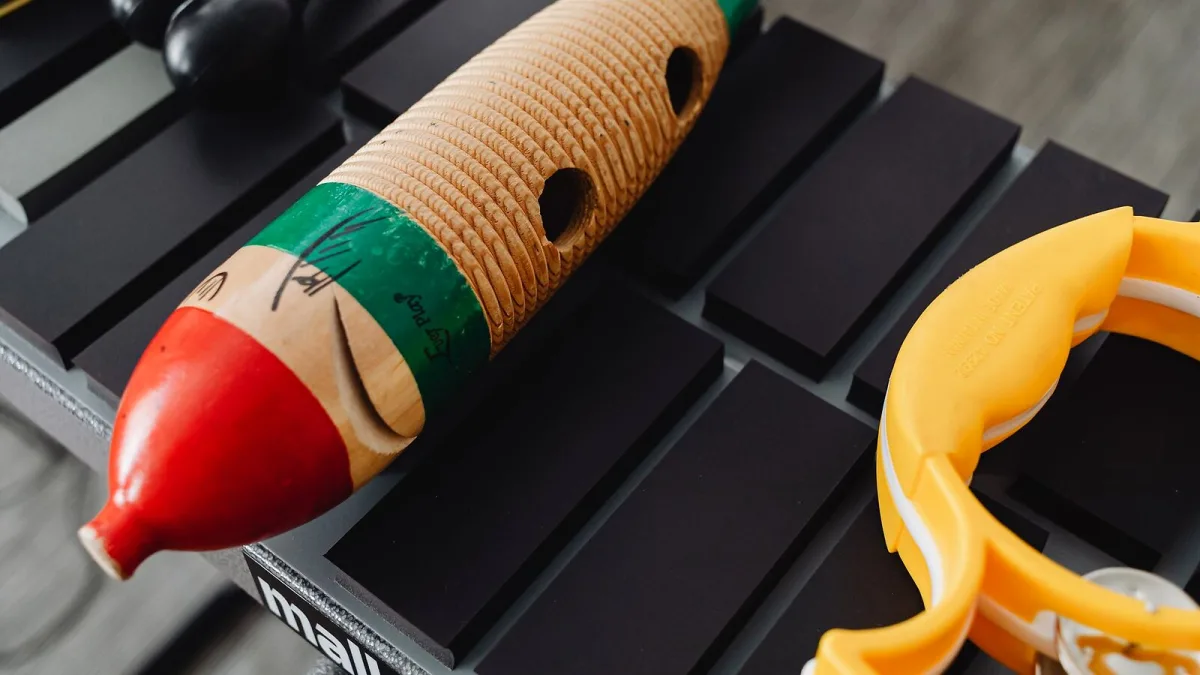
Let's start by clearing up the biggest misconception about Latin music: there's no such thing as a single "Latin sound." What gets marketed as Latin music is really dozens of distinct traditions from across Spanish- and Portuguese-speaking parts of the Americas, each with its own history, rhythm and instruments. This guide gives you a proper foundation, one logical step at a time.
One Umbrella, Many Traditions
The label covers music from the Caribbean, Mexico, Central America, South America and Latino communities in the United States. What ties it together isn't a shared sound but a shared history: European instruments and harmony, African rhythmic traditions, and Indigenous instruments and melodies, combining differently in each region. Cuban son and Brazilian samba, for example, grew from broadly similar ingredients but sound almost nothing alike.
The Building Block: Rhythm, Not Melody
Before you worry about instruments or lyrics, train your ear on rhythm — it's the clearest way into this music. A few terms worth knowing:
- Clave — a recurring two-bar rhythmic pattern that underpins much Afro-Cuban music, including salsa.
- Dembow — the repeating beat pattern that drives reggaeton and related Caribbean urban styles.
- Montuno — a repeating piano or ensemble figure in salsa that supports vocal improvisation.
- Syncopation — accents placed between the main beats, common across nearly every tradition here.
Learn to spot these and entire genres start making a lot more sense.
A Region-by-Region Starting Map
| Region | Genres to start with |
|---|---|
| Caribbean | Son cubano, salsa, merengue, bachata, reggaeton |
| Mexico & the US | Mariachi, ranchera, norteño, banda |
| Colombia & the Andes | Cumbia, vallenato |
| Brazil | Samba, bossa nova |
| Southern Cone | Tango |
Our guide to the subgenres goes much deeper into how each of these actually works.
The Instruments You'll Keep Hearing
Congas, bongos and timbales carry Afro-Caribbean rhythm; claves and güiros provide a clear, repeating pulse; accordion drives vallenato and norteño; the bandoneon defines tango's dramatic voice; and guitarrón and vihuela anchor mariachi's low end. None of these are decoration — each one is doing specific rhythmic or harmonic work.
Your First Latin Music Listening Plan
- Start with foundational forms — son cubano, samba, cumbia and ranchera, before moving to modern crossover styles.
- Compare rhythm sections — notice how congas and clave function in salsa, how tambora and güira work in merengue, and how programmed dembow drives reggaeton.
- Follow one regional tradition — trace Cuban son into salsa, or Colombian cumbia into its Mexican, Peruvian and Argentine forms.
- Listen for arrangement — identify the introduction, verse, chorus, instrumental break and call-and-response section.
- Learn a handful of terms — clave, tumbao, montuno, güiro and dembow will unlock a lot of listening.
- Resist treating it as one sound — Brazilian samba, Mexican banda, Cuban salsa and Argentine tango are genuinely different systems.
Where to Go Next
Once the basics click, our history of Latin music fills in how these traditions actually developed, and our guide to essential artists gives you real names and voices to attach to everything you've just read. If you'd rather dive straight into listening, our picks for essential albums and essential tracks are the natural next stop.
The Bottom Line
Latin music rewards patience far more than it rewards trying to learn everything at once. Get comfortable with rhythm first, pick one regional tradition to follow closely, and let the rest build from there. Within a few weeks of focused listening, you'll hear far more than "Latin" — you'll hear Cuba, Mexico, Brazil, Colombia and Argentina as the genuinely distinct traditions they are.




Comments