

Gospel Music article
Essential Gospel Music Albums Explained
A listening path, not a trivia list: the essential gospel music albums that shaped the genre, era by era.
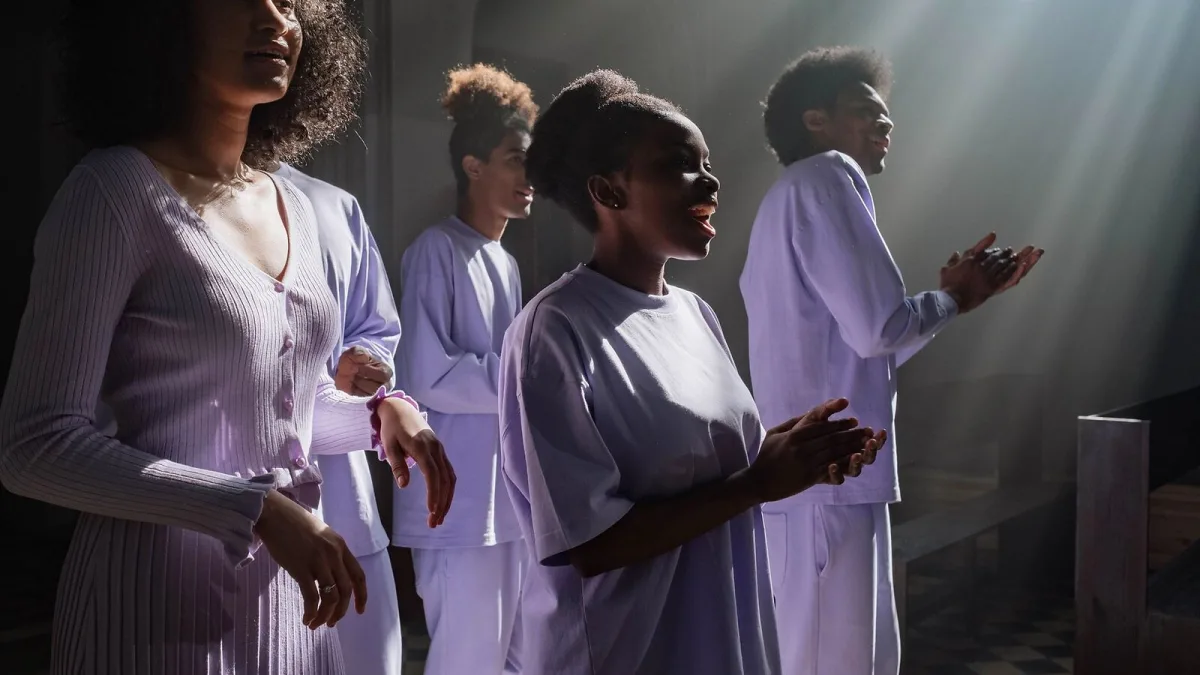
Unlike some genres, gospel actually has a proper album tradition — full-length statements that shaped the sound, not just a string of singles pressed together. If you want a shortcut into decades of gospel history, these essential gospel music albums are exactly that: a listening path rather than a trivia list, moving from church-recorded originals to full studio productions.
Why Gospel Albums Carry Real Weight
Gospel grew up around church services, touring quartets and choir performances, so the album format had to earn its place alongside the live tradition. When a gospel record does land as a genuine full-length statement, it usually represents an artist or choir capturing something that could not be reduced to a single hit — a testimony, a season of a career, or a whole congregation's sound in one recording.
The Records That Built the Foundation
- Mahalia Jackson – recordings built around "Move On Up a Little Higher" — the 1947 single that first brought Jackson's voice to a mass audience and helped establish gospel as commercially viable outside the church.
- The Edwin Hawkins Singers – work built around "Oh Happy Day" (1968) — a full-choir arrangement that crossed over into the pop charts internationally, proving a traditional choir sound could reach a secular audience without changing what it fundamentally was.
- The Clark Sisters – You Brought the Sunshine era (1981) — vocal harmonies and runs that quietly influenced R&B singers who never came near a gospel choir.
The Records That Took Gospel Mainstream
- Kirk Franklin and the Family (1993) — the debut album that fused choir gospel with hip-hop and R&B production, selling well beyond the genre's usual audience and reshaping what a "gospel album" could sound like.
- Andraé Crouch's catalogue — contemporary production and songwriting sensibility that bridged traditional choir gospel and the modern sound that followed, influencing a generation of producers along the way.
- CeCe Winans' solo work — a sustained, high-profile career that carried contemporary gospel's sound into mainstream visibility across multiple albums.
For the fuller story behind every name on both of these lists, our roundup of gospel music artists worth knowing gives each one proper context.
A Quick Map of the Eras
| Era | What defines its gospel music albums |
|---|---|
| 1940s–1950s | Solo vocal power and touring-quartet harmony, captured close to live performance |
| 1960s–1970s | Full-choir crossover arrangements reaching secular pop audiences |
| 1980s | Vocal-group harmony feeding directly into contemporary R&B |
| 1990s–present | Choir gospel fused with hip-hop, R&B and polished studio production |
How to Actually Approach a Gospel Album
Do not listen to a gospel album the way you would a pop record, skipping to the single. Gospel albums are usually built to be heard as a full arc — restrained openings, building intensity, and a full-choir or full-band climax somewhere in the second half. That arc is the whole point, and it is exactly the structure a good gospel album shares with a proper church service.
- Listen for the build, not just the hook — gospel albums escalate on purpose.
- Note where the choir enters and how it changes the arrangement's energy.
- Compare a traditional choir record with a contemporary one from the same decade — the difference in production tells its own story.
Where to Go From Here
These essential gospel music albums are a starting shelf, not a finished list — gospel has kept generating full-length statements worth hearing in every decade since Dorsey's first published songs. If the history behind these records interests you, our full history of gospel music covers that story properly, and our subgenres explainer will help you work out which style suits your ear best before you commit to a full album.
The Bottom Line
A handful of gospel albums earned "essential" status because they captured something a single song never could: a testimony, a choir at full strength, or an entire genre shifting under one artist's hands. Start with the records above, listen for the build rather than the hook, and the rest of gospel's catalogue opens up far more easily than it looks from the outside.





Comments