

Gospel Music article
A Beginner's Guide to Gospel Music
Gospel grew up in churches and living rooms, built by people singing because they meant it. Here is what it actually is, and how to start listening.
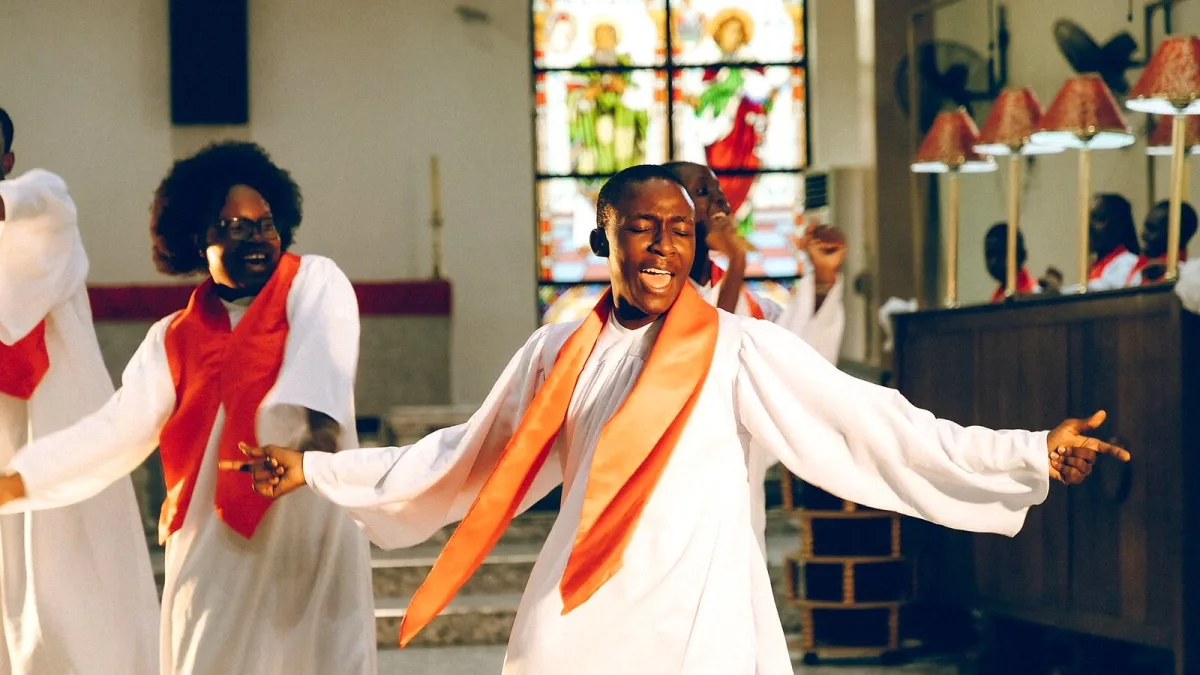
Gospel music has never really needed a stage to prove itself. It grew up in churches and living rooms, built by people singing because they meant it, long before anyone thought to put a microphone in front of it. That grassroots foundation is exactly why gospel music still hits differently to almost anything else. Here is what it actually is, where it came from, and how to start listening properly.
What Gospel Music Actually Is
At its core, gospel is Christian music built around three things: testimony, expressive vocals, and participation. It is rarely a solo performance in the passive, watch-from-your-seat sense. A lead singer calls, a choir or congregation answers, and the whole room is part of the music rather than an audience for it. That call-and-response instinct is the single most important thing to understand about the genre — everything else builds outward from it.
Where It Actually Comes From
Gospel did not arrive from one single moment or songwriter. It grew out of several overlapping traditions layering on top of each other over decades:
- Spirituals — sacred songs developed by enslaved African Americans, built on repetition, coded meaning and communal singing.
- Protestant hymns — supplying biblical texts and familiar song structures.
- Blues and ragtime — contributing syncopation, blue notes and expressive, personal vocal delivery.
- Black church practice — the sermon, the testimony, the choir and the congregation, all feeding music that could expand and intensify in the moment.
The recognisable Black American gospel tradition took shape in the late 19th and early 20th centuries, and it owes an enormous debt to Thomas A. Dorsey, a former blues musician who fused that blues-inflected musical language with Christian lyrics. Dorsey did not just write songs — he helped build gospel into a proper profession, with publishing, touring and choir leadership all part of the ecosystem.
The Sound: What to Actually Listen For
Once you know what to listen for, gospel music becomes far easier to follow, whichever style you land on first:
- Call-and-response — a lead line answered by choir, congregation or instrument.
- Melisma — several notes sung across a single syllable, used for emotional emphasis.
- Vamps — a short phrase repeated while the singer and band build intensity around it.
- Dynamic escalation — arrangements that move from restrained verses to full-choir, full-volume climaxes, often called a "shout" section.
- The Hammond organ — particularly the B-3 model with a Leslie rotating speaker, central to the classic church sound since the 1950s.
The Many Forms Gospel Takes
| Style | What sets it apart |
|---|---|
| Traditional choir gospel | Large ensemble, lead-and-choir exchange, church-centred arrangement |
| Quartet gospel | Close four-part male harmony, rhythmically tight backing vocals |
| Southern gospel | Family groups, country-influenced instrumentation |
| Contemporary gospel | Modern rhythm sections, keyboards, polished studio production |
| Urban gospel | Gospel fused with R&B, soul, funk and hip-hop |
That is only a starting sketch — our full guide to gospel music subgenres goes much deeper into how each of these actually sounds.
Gospel's Reach Beyond the Church
Gospel's fingerprints are all over popular music, whether or not the songs themselves are religious. Sister Rosetta Tharpe carried gospel guitar playing straight into the roots of rock and roll. Ray Charles and Little Richard both drew heavily on church performance energy for secular hits. Soul music inherited gospel's melisma and call-and-response almost wholesale. None of that happened by accident — it happened because gospel spent decades quietly training some of the most expressive vocalists in American music.
Where to Start Listening
Rather than trying to take in the whole genre at once, follow one thread at a time: a traditional choir recording, then a classic quartet group, then something contemporary. If you want names attached to that plan straight away, our roundup of gospel music artists worth knowing is the natural next stop, and our newcomer's guide lays out a calmer, step-by-step way in if all of this still feels like a lot at once.
The Bottom Line
Gospel music was never built to be background noise, and it still is not. Learn to listen for the call-and-response, the build, the testimony underneath the melody, and a genre that can feel overwhelming from the outside starts to make complete sense from the inside. That grassroots honesty is the whole point — and it is exactly why gospel has shaped so much of the music that came after it.





Comments