


Death Metal roundup
The Best Death Metal Artists to Know
Not an alphabetical list — the death metal names grouped by what each one actually did for the sound, from the founders to the melodic outliers.
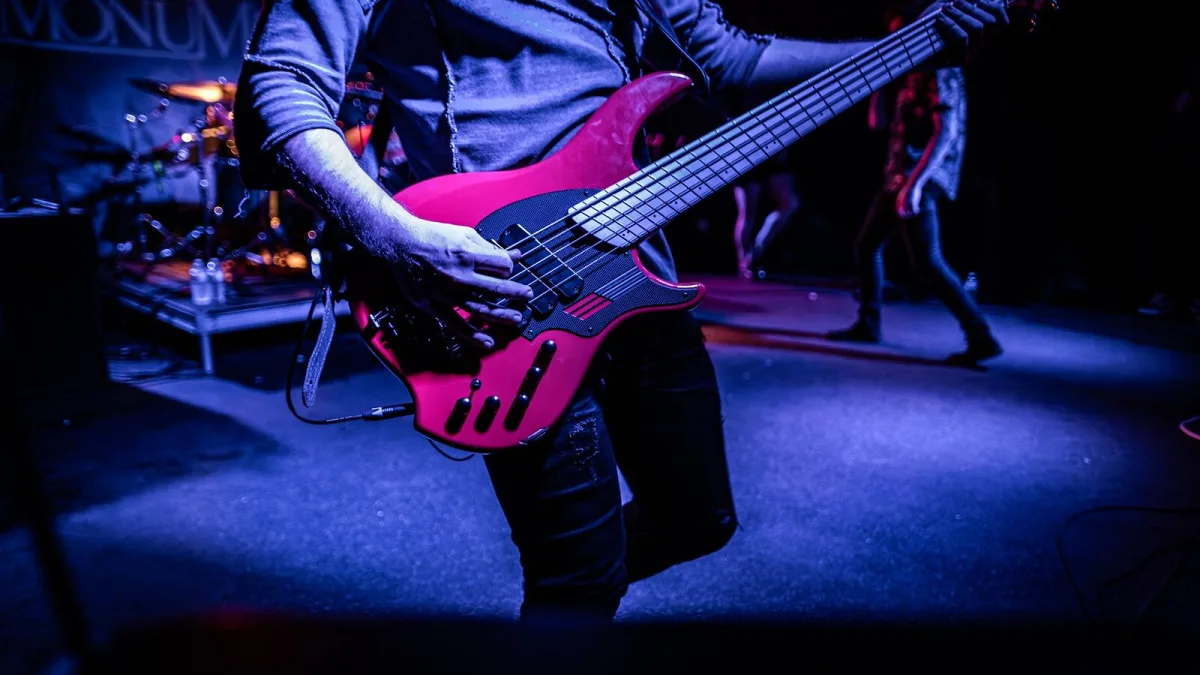
You could spend years working backwards through death metal's back catalogue and still miss half the names that actually built it. So here's the shortcut: the death metal artists you genuinely need to know, grouped by what they actually did for the sound, not just chucked together alphabetically like a Wikipedia list.
The Death Metal Pioneers
| Artist | Why they matter |
|---|---|
| Possessed | Their 1985 album Seven Churches, and its title track "Death Metal", are widely credited with naming the whole genre |
| Death | Led by Chuck Schuldiner; Scream Bloody Gore and Leprosy are foundational, primitive-but-essential entry points |
| Morbid Angel | Brought genuinely strange harmony and chaotic complexity to Florida's early scene via Altars of Madness |
| Obituary | Slower and groove-heavy rather than fast; Slowly We Rot and Cause of Death are the places to start |
| Autopsy | Folded doom and horror-film atmosphere into the sound on Severed Survival |
| Deicide | Fast, aggressively anti-religious, and among the most extreme of the early Florida bands |
Every one of them belongs at the start of a listening journey, and we've laid that journey out properly in our guide to getting into the genre from scratch.
The Ones Who Made It Technical
Not every band that pushed the sound forward did it by getting heavier. Atheist and Cynic went the other way, pulling jazz-fusion harmony and progressive song structures into a framework built on aggression, and proving the two things weren't actually incompatible. Death's own later work followed a similar path: by 1991's Human, Chuck Schuldiner had steered the band from raw extremity towards genuine musical sophistication, without losing what made the earlier records work. If you want the full timeline of how that shift happened, our history piece covers it properly.
The One Who Went Mainstream
Cannibal Corpse deserve their own category. No band has done more to put extreme, technically demanding, deliberately graphic death metal in front of a genuinely mass audience, and their catalogue is long enough that "Cannibal Corpse phase" is practically its own listening era for a lot of fans. Love them or find them a bit much, you can't discuss the genre's commercial reach without them.
Names You Won't See on Every List
Most rundowns of this scene lean heavily on the same handful of American and European men, and it's worth saying plainly that this reflects gaps in how the genre's history has been written up rather than the full picture of who's actually made great records in it. Regional scenes outside the US and UK, and a wider range of musicians within them, have contributed plenty that rarely gets the same coverage. Treat any "definitive" artist list, including this one, as a starting point rather than the last word.
The Melodic Wing
Not every essential band chases extremity for its own sake. At the Gates brought harmonised, genuinely memorable guitar melodies to a still-aggressive framework, and became a reference point for an entire branch of the genre as a result. Amon Amarth took a related melodic approach somewhere completely different — Viking-themed, anthemic and accessible enough to pull a lot of listeners in sideways who might never have picked up a Deicide record first. Our guide to the genre's different subgenres explains exactly where this melodic branch sits next to the more brutal and technical ones.
Keeping the Old-School Alive
Plenty of modern bands could have gone anywhere stylistically and chose to circle back to first principles instead. Gatecreeper are the clearest recent example: a deliberate, unapologetic return to old-school production and songwriting, proof that the original Tampa-era template still has plenty of life in it for a newer generation of fans and musicians alike.
Reading a Band's Reputation for Yourself
Rather than relying on any single list, including this one, a decent way to judge a newer or lesser-known name is to check who they're regularly compared to, which labels have signed them, and whether respected long-running publications and podcasts within the scene have covered them seriously rather than as a novelty. That combination tends to separate bands with genuine staying power from ones riding a short-lived trend.
Where to Actually Start Listening
- New to the genre entirely? Start with Death and Obituary before anything more extreme.
- Want something more melodic? At the Gates or Amon Amarth first.
- Curious about the technical side? Atheist, Cynic, and Death's later catalogue.
- Want the classic, unfiltered Florida sound? Morbid Angel and Deicide.
Our full rundown of essential albums pairs neatly with this list if you want specific records rather than just band names to chase.
The Bottom Line
No single artist defines death metal on their own, and that's rather the point — it was built collectively, across overlapping scenes, by bands who each pushed a different part of the sound forward. Learn these names, in roughly the groupings above, and the rest of the genre's map starts making a lot more sense.






Comments