


Death Metal article
Death Metal Subgenres, Explained
One genre, eight genuinely different sounds. A no-nonsense map of every death metal branch and where to start with each one.
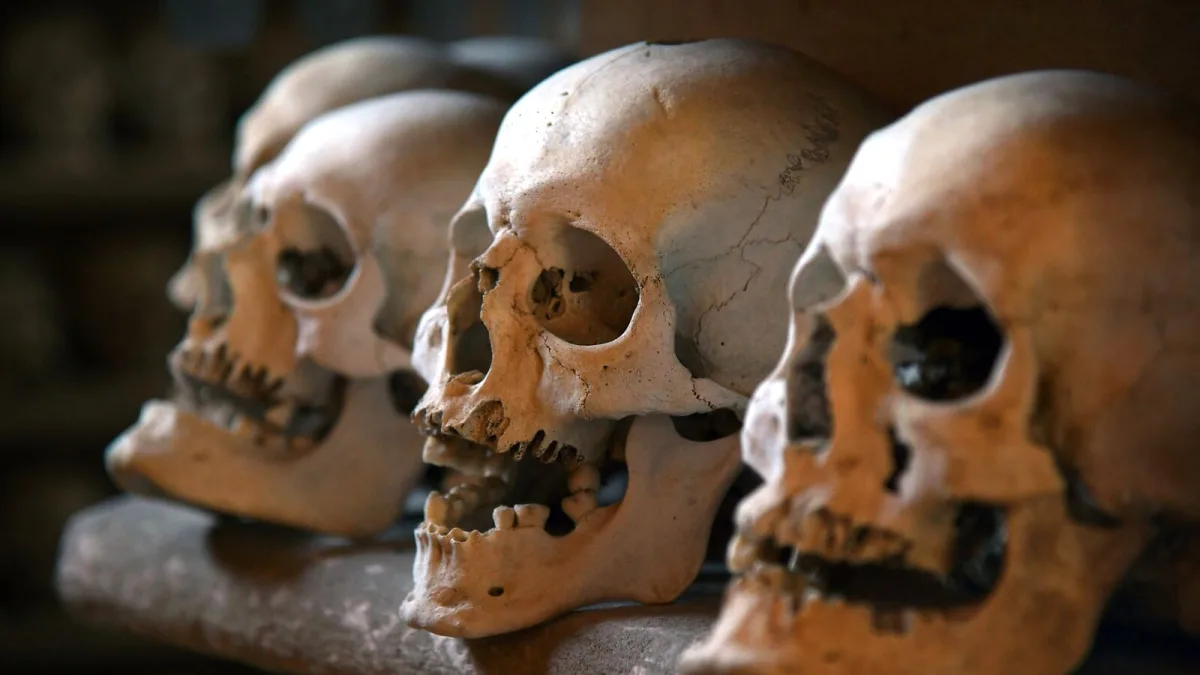
"It's all just noise" is what people say when they've heard one death metal record and assumed the whole genre sounds the same. It doesn't. This genre has at least eight recognisably different branches under its umbrella, and knowing them means you can actually find the version that suits you, rather than writing off an entire style because the first thing you heard wasn't your thing.
Old-School Death Metal
The original template, straight from the late-1980s Florida and California scenes: raw production, primitive but effective riffing, and an emphasis on atmosphere over polish. Bands like Autopsy and Obituary sit here, and modern acts like Gatecreeper have built entire careers on deliberately returning to it.
Melodic
Takes the genre's core aggression and adds harmonised, genuinely memorable guitar melodies on top, usually with clearer, more conventional song structures underneath. At the Gates are the defining reference point here, and the style has proven the most accessible on-ramp for listeners coming from more mainstream metal or rock.
Technical
Prioritises advanced musicianship above almost everything else: complex time signatures, rapid, precise picking, and intricate arrangements that reward close listening. Atheist and Cynic pioneered the jazz-influenced end of this branch, and it remains the wing most likely to draw comparisons to progressive rock and fusion.
Brutal
Goes in the opposite direction from the technical branch: maximum heaviness, low tuning pushed further, and vocals dropped into guttural, almost sub-bass territory. It's less concerned with melody or complexity than with sheer physical weight, and it's usually where newcomers mean it when they say a record sounds genuinely extreme.
Progressive
Shares the technical wing's ambition but leans further into unconventional song structures, shifting time signatures and atmosphere over sheer speed. Death's own later catalogue, following Chuck Schuldiner's evolution from raw aggression towards composed, exploratory songwriting, is the clearest example of this branch in action.
Death-Doom
A hybrid with doom metal, trading the usual speed for slow, weighted tempos while keeping the deep, harsh vocal style. Autopsy's early catalogue sits close to this crossover point, folding horror-film atmosphere and doom's patience into an otherwise extreme framework.
Deathgrind
The opposite hybrid: a combination with grindcore's shorter, more explosive, punk-derived song structures. Where death metal often stretches out across longer, riff-based arrangements, deathgrind compresses the same aggression into tighter, faster bursts.
Blackened Death Metal
Blends death metal's low-end weight and vocal style with black metal's tremolo-picked riffing, higher shrieks and rawer, more atmospheric production. It's one of the more actively evolving branches, with plenty of overlap and disagreement about exactly where one genre ends and the other begins.
Why Bother Learning the Difference
Beyond just sounding clever in a conversation, knowing these branches saves you time and saves the genre a fan it might otherwise lose. Someone who bounces off a brutal record isn't necessarily going to dislike the melodic branch, and someone overwhelmed by technical time-signature gymnastics might find old-school primitivism far easier to connect with. Recommending the right branch to the right person is half the job of introducing anyone to this scene properly.
Quick Reference: Which Branch Is Which
| Subgenre | Defining trait | Key reference point |
|---|---|---|
| Old-school | Raw, primitive, atmosphere-first | Autopsy, Obituary |
| Melodic | Harmonised guitar melodies, clearer structure | At the Gates |
| Technical | Complex, precise musicianship | Atheist, Cynic |
| Brutal | Maximum weight and heaviness | Deicide-adjacent extremity |
| Progressive | Unconventional structure and atmosphere | Death's later work |
| Death-doom | Slow tempos, doom's weight | Autopsy's early records |
| Deathgrind | Grindcore's speed and compact songs | Grindcore crossover acts |
| Blackened | Black metal's rawness and shriek vocals | Blackened crossover acts |
None of This Is Rigidly Fenced Off
Don't take these categories as strict borders. Plenty of essential records sit across two of them at once, and the genre's most interesting bands are often the ones who refuse to stay in one lane. Treating these as a rough map rather than a rulebook is the right approach — the point is orientation, not gatekeeping. Our full walk through the genre's history shows how several of these branches actually split off from each other over time, and our essential albums guide maps specific records onto most of these categories.
Starting Points by Taste
- Want something approachable? The melodic branch, starting with At the Gates.
- Want maximum extremity? The brutal branch.
- Want musicianship on display? The technical or progressive branches.
- Want atmosphere over speed? Death-doom.
If none of that means much yet, our beginner's guide starts further back and builds up to this exact map.
The Bottom Line
Eight branches of death metal, one shared foundation. Whichever one grabs you first, it's worth remembering there are seven more waiting once you've had your fill — that's a lot more range than the "it all sounds the same" crowd ever give this genre credit for.






Comments