


Blues Music roundup
The Best Blues Music Artists to Know
This is the tradition's real cast list — the names that shaped Delta, Piedmont, Chicago and electric guitar blues, one region at a time.
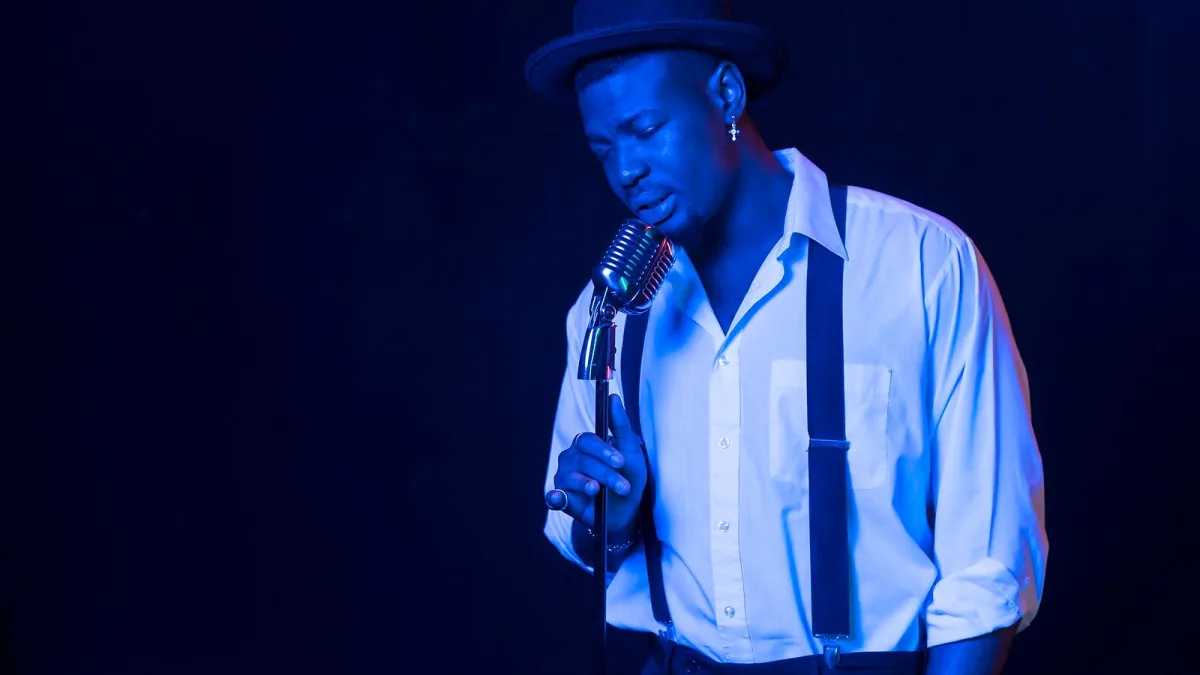
Ask ten people to name the best blues artists and you'll get ten different lists, and that's exactly as it should be — this is a tradition built by hundreds of people over more than a century, not one canon handed down from on high. What follows isn't the final word. It's the names you genuinely need to know before you can have that argument properly, grouped by what they actually did to move the music on.
The Foundational Voices
Start with these blues artists, because everything after builds on what they did first. Mamie Smith recorded "Crazy Blues" in 1920, the record that proved there was a paying audience for this music and kicked off the whole recording industry around it. Ma Rainey, often called the "Mother of the Blues", was already a formidable live performer by that point. Bessie Smith took the "classic blues" style — full band, powerhouse vocal — further than almost anyone in the 1920s, and her records still sound commanding a century later.
The Delta Originators
Head south and the sound gets rawer — these Delta blues artists built the template. Charley Patton is as close as the Mississippi Delta gets to a founding figure, with a rough, percussive guitar style that influenced everyone who followed him there. Son House brought a similarly forceful vocal delivery and slide guitar. Robert Johnson recorded only a couple of dozen sides in the mid-1930s, but they became reference points for practically every guitarist who came after — Delta blues distilled into something close to myth. Blind Lemon Jefferson, working slightly earlier, was one of the first country-blues guitarists to sell records in real numbers.
The Piedmont Fingerpickers
Further east, a gentler, more intricate style was developing. Blind Blake and Reverend Gary Davis built ragtime-influenced, alternating-bass guitar parts that ask for real technique rather than raw force. Elizabeth Cotten, playing a right-handed guitar upside down because she was left-handed, wrote material — "Freight Train" among it — that's since been covered across folk and blues alike.
The Chicago Electric Architects
This is where the tradition plugs in and gets loud, and these Chicago blues artists are the reason it did. Muddy Waters took the Delta sound electric and became the central figure of postwar Chicago blues in the process. Howlin' Wolf matched him with one of the most physically imposing voices the genre has ever produced. Little Walter reinvented amplified harmonica almost single-handedly. Willie Dixon wrote and produced much of the Chess Records catalogue from behind the scenes, while Koko Taylor carried the Chicago sound forward as one of its defining vocalists from the 1960s on. For the full story of how this scene came together, our history of blues music lays out the migration and the label that captured it.
The Guitarists Who Took It Further
A handful of players pushed the guitar itself into new territory. B.B. King built a career on expressive vibrato and a conversational phrasing style — famously, he rarely sang and played at the same time, treating his guitar "Lucille" as a second voice answering his own. T-Bone Walker brought jazz-inflected phrasing to Texas blues and is widely credited as an early pioneer of the electric guitar solo. Buddy Guy connects that Chicago tradition directly to modern electric blues, still performing and recording decades on. Stevie Ray Vaughan pulled the whole tradition back into the mainstream in the early 1980s with ferocious technique and genuine reverence for what came before him.
Key Blues Artists at a Glance
| Artist | Region / era | Known for |
|---|---|---|
| Bessie Smith | Classic blues, 1920s | Powerhouse vocals, commercial breakthrough |
| Robert Johnson | Delta, 1930s | Foundational guitar recordings |
| Muddy Waters | Chicago, 1940s–50s | Electrifying the Delta sound |
| B.B. King | Electric guitar, 1950s onward | Vibrato, phrasing, "Lucille" |
| Stevie Ray Vaughan | Texas, 1980s | Reviving electric guitar blues |
Where to Go From Here
These names aren't a finish line — they're the map. Once you know why Muddy Waters matters, Chicago blues starts making sense as a whole scene rather than a list of songs. Our guide to blues subgenres groups these regions properly, and if you'd like a shorter, listening-first route in, our guide for newcomers picks five tracks to start with.
The Bottom Line
No single figure carried this music on their own. It took Delta guitarists, Piedmont fingerpickers, Chicago bandleaders and electric guitar innovators, each building on the last, to get from field recordings to stadium-filling guitar solos. Learn these blues artists and the rest of the genre opens up fast.


Comments