


Blues Music article
Essential Blues Music Albums Explained
These records didn't just document the sound — they built it. Here's why each essential blues album earns its place.
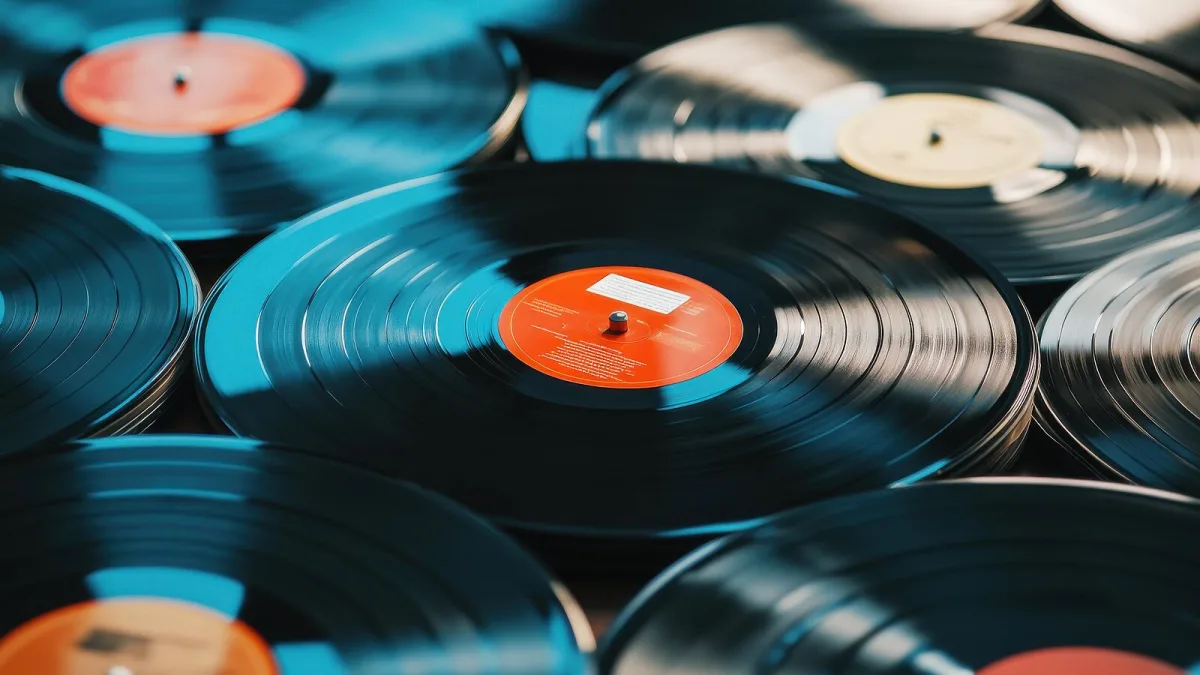
There's real pride in this list, because these records didn't just document a sound — they built it, brick by brick, decade by decade. Essential blues albums span solo Delta recordings, roaring Chicago sessions and a London studio where a young Eric Clapton tried to sound like his heroes. Here's why each one earns its place.
The Recordings That Set the Template
Robert Johnson — King of the Delta Blues Singers (Columbia, 1961) collects the handful of sides Johnson recorded in Texas hotel rooms in 1936 and 1937, released as an album decades after his death. It introduced a generation of 1960s guitarists — British and American alike — to the Delta sound, and its influence is completely out of proportion to how few songs are actually on it.
Bessie Smith's Columbia recordings, later compiled across several archival volumes, capture the "Empress of the Blues" at the height of classic blues in the 1920s. These aren't album-era releases in the modern sense — blues artists of that decade recorded singles, not LPs — but the compiled recordings remain essential listening for anyone tracing the music back to its roots.
Live Albums That Capture the Real Thing
Some of the most important blues albums were never meant to be studio statements at all. B.B. King — Live at the Regal (1965), recorded at Chicago's Regal Theater, is regularly cited as one of the greatest live albums in any genre — King's guitar and voice trading lines in front of an audience that clearly knows every word. Muddy Waters at Newport 1960 caught Waters and his band bringing electric Chicago blues to a folk and jazz festival crowd, several years before the wider "blues revival" made that pairing feel obvious.
The Electric Chicago Sound on Wax
Howlin' Wolf's early Chess Records sides, gathered on releases including Moanin' in the Moonlight (1959), show exactly why his voice unsettled and thrilled listeners in equal measure. Junior Wells — Hoodoo Man Blues (1965), featuring Buddy Guy on guitar under a pseudonym due to contract restrictions, is often held up as one of the most complete studio blues albums of its era — tight, unshowy, and entirely convincing.
When the Blues Crossed the Atlantic
John Mayall's Bluesbreakers — Blues Breakers with Eric Clapton (1966), nicknamed the "Beano album" after the comic Clapton is pictured reading on the sleeve, is the record most credited with kickstarting the British blues boom and Clapton's own reputation. It's a direct, audible bridge between Chicago blues recordings and the guitar-led British rock that followed.
Modern Blues Essentials
Stevie Ray Vaughan and Double Trouble — Texas Flood (1983) reintroduced ferocious electric guitar blues to a mainstream rock audience that had largely moved on from it, and it remains the record most people mean when they talk about the 1980s blues revival. Buddy Guy — A Man and the Blues (1968) showcases the guitarist who arguably did more than anyone to carry the Chicago tradition into the following decades.
| Album | Artist | Year | Why it matters |
|---|---|---|---|
| King of the Delta Blues Singers | Robert Johnson | 1961 | Defined Delta blues for later generations |
| Live at the Regal | B.B. King | 1965 | Landmark live recording |
| Hoodoo Man Blues | Junior Wells | 1965 | Complete studio statement |
| Blues Breakers with Eric Clapton | John Mayall | 1966 | Sparked the British blues boom |
| Texas Flood | Stevie Ray Vaughan | 1983 | 1980s electric blues revival |
Building Your Own Shortlist
You don't need all of these on day one. Pick one from each era — a Delta recording, a Chicago session, a live album, a British blues record — and you'll hear the whole tradition move forward across a single afternoon. Our guide to essential blues artists fills in the biographies behind these names, and our guide to essential blues songs is the track-by-track version of this same list.
The Bottom Line
These blues albums aren't a completist's checklist — they're the handful of records that changed what came after them. Start with any one of them and you're hearing the sound at a genuine turning point, not just a good performance.



Comments