


Black Metal roundup
The Best Black Metal Songs Right Now
Not chart hits, but the individual tracks that actually defined this sound at every stage of its history. Here are the essential ones.
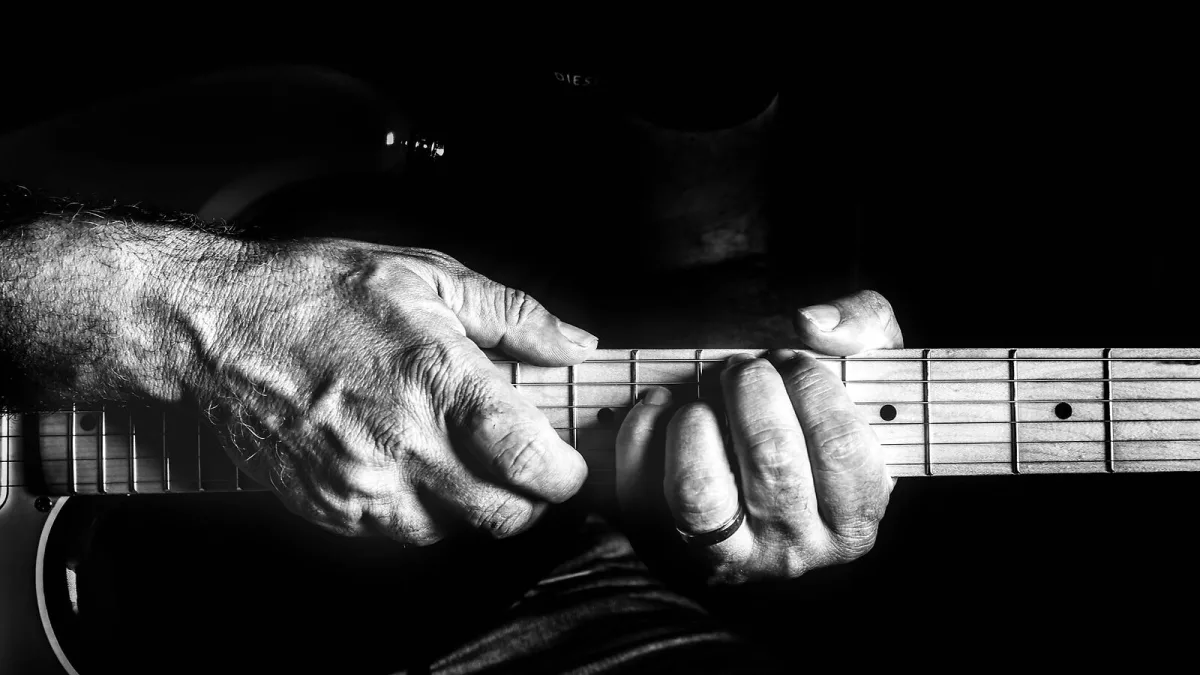
Albums matter enormously in this genre, but a handful of individual tracks have done more than entire records to define what the sound actually is — the ones fans reach for first, play for a curious friend, or still argue about decades later. These are the songs that keep coming up, spanning black metal's full arc from its earliest naming moment through to its most unlikely crossover. None of this is about chart positions — black metal barely troubles the charts at all. It's about which tracks genuinely defined the sound at each stage of its development, and which ones still do the best job of explaining it to someone hearing it for the first time.
Venom — "Black Metal" (1982)
The song that gave an entire genre its name. Musically it's closer to speed metal than to anything that followed, but its title and confrontational occult imagery set the template that Scandinavian bands would run with a decade later.
Mayhem — "Freezing Moon" (1994)
Widely regarded as one of the most important individual tracks the genre has ever produced. Its slow, mournful lead melody and shrieked vocals capture the cold, theatrical drama of the early-1990s Norwegian scene better than almost anything else recorded in that period, and it remains a track other bands still cover and reference.
Darkthrone — "Transilvanian Hunger" (1994)
The title track from the album that pushed raw production to its outer limit. Repetitive, harsh and completely uninterested in polish, it's the song most often pointed to when explaining why deliberately lo-fi recording is treated as an artistic choice rather than a technical failing.
Emperor — "I Am the Black Wizards" (1994)
A key track from In the Nightside Eclipse that shows exactly how the genre absorbed orchestral ambition without losing its aggression. Keyboards and sweeping arrangement sit right alongside blast beats and shrieking vocals, a combination that would go on to define an entire symphonic strand of the sound.
Immortal — "Pure Holocaust" (1993)
The title track of one of the genre's coldest, fastest records, and a genuine test of stamina — for the listener as much as the band. There's almost no let-up here, just relentless tremolo picking and blast beats delivered with total conviction.
Burzum — "Dunkelheit" (1996)
A genuinely hypnotic, repetitive track from Filosofem that's hugely influential on the atmospheric side of the genre. As with any Burzum track, it's worth holding two separate facts at once: its clear musical influence, and creator Varg Vikernes's documented crimes and extremist views, which the music itself doesn't excuse or erase.
Dimmu Borgir — "Mourning Palace" (1997)
One of the more accessible entries here, and a good example of the polished, theatrical symphonic sound that brought a wider audience into the genre in the late 1990s. It's a useful comparison point against Emperor's rawer orchestral approach a few years earlier.
Watain — "Sworn to the Dark" (2007)
A reminder that black metal's uncompromising, ritualistic side never went away even as other bands were softening the sound elsewhere. This title track leans hard into the occult, ceremonial atmosphere that first-wave black metal only gestured towards, delivered with modern production power behind it.
Deafheaven — "Dream House" (2013)
The black metal song most responsible for pulling an entirely new audience towards tremolo picking and blast beats. Opening Sunbather, it fuses shoegaze-style guitar walls with genuinely joyous, soaring melody, and it's still the track most non-fans hear first when someone tries to explain why this crossover record matters.
How These Songs Connect
Line these tracks up chronologically and you can hear black metal's whole arc in miniature: a borrowed name from Venom, a defining moment of drama from Mayhem, deliberate rawness from Darkthrone, orchestral ambition from Emperor, glacial extremity from Immortal, hypnotic repetition from Burzum, polished accessibility from Dimmu Borgir, ritualistic intensity from Watain, and finally a genuinely unexpected crossover from Deafheaven. Listened to in that order, the songs trace exactly how a scrappy, borrowed name turned into one of extreme metal's most distinctive and enduring sounds, and how much room the genre eventually made for wildly different approaches to sit under the same umbrella. For the full albums behind several of these songs, our essential albums guide goes track by track in more depth, and our piece on the genre's key artists covers the bands behind every song here.
The Bottom Line
These aren't songs riding a current chart moment — they're the black metal tracks that have defined the genre for years and will likely keep doing so. Start with any one of them and you'll already understand more about the sound than most casual descriptions manage in a paragraph.





Comments