


Afrobeats article
The History of Afrobeats
How a scene built in Lagos and Accra, out of highlife, juju and hiplife, ended up soundtracking clubs from London to Los Angeles.
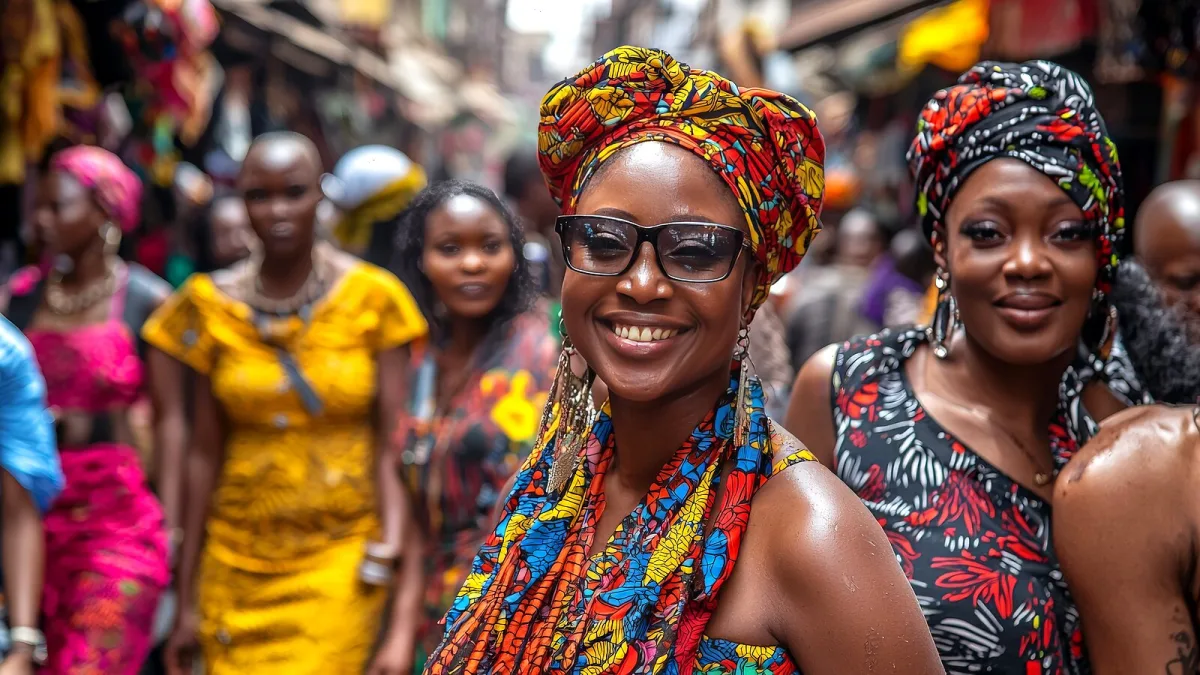
Every genre worth loving has a proper story behind it, and Afrobeats has a particularly rich one — decades of Nigerian and Ghanaian music finding, losing and rediscovering its own voice, before the rest of the world finally caught up. Here's how a scene built in Lagos and Accra ended up soundtracking clubs from London to Los Angeles.
First, the Namesake That Isn't the Same Thing
Before there was Afrobeats, there was Afrobeat — Fela Kuti's fierce, horn-heavy 1970s creation, built on huge live bands, extended grooves and lyrics that took direct, dangerous aim at Nigeria's military government. Records like his 1976 release Zombie remain touchstones of that era. It's an essential piece of the wider Afrobeats story, but it's genuinely a different thing to what came later, and treating them as identical does a disservice to both.
The Ingredients Simmering Through the 1980s and 90s
What eventually became Afrobeats didn't spring from nowhere. Highlife brought its melodic guitar lines and dance-band traditions from across West Africa. Juju and Fuji carried distinctly Yoruba rhythmic and vocal traditions forward. Meanwhile in Ghana, hiplife was busy fusing homegrown highlife with American hip-hop. All of this was quietly stewing away, waiting for the right moment and the right technology to pull it together.
The 2000s: Lagos and Accra Find a New Voice
That moment for Afrobeats arrived in the late 1990s and 2000s, as Nigerian and Ghanaian pop scenes started absorbing dancehall, hip-hop, R&B and house alongside their own traditions. Artists like 2Baba and D'banj became central figures in this commercial transition, helped along by producers including OJB Jezreel, who worked behind the scenes shaping the sound as much as any single performer did. MTV Base Africa's 2005 launch gave the whole movement a proper regional platform to be seen and heard on, well beyond word of mouth.
The 2010s: Going Properly Global
This is where the story picks up real pace. Wizkid, Davido and Burna Boy carried Nigerian pop onto international stages and charts, while Tiwa Savage helped push the visibility of women within the scene considerably further than it had reached before. Crucially, the UK's Nigerian and Ghanaian diaspora communities played a genuinely outsized role here — London clubs, radio and diaspora media helped circulate and popularise Afrobeats internationally well before much of the mainstream American industry had properly clocked it.
Not Everyone Agrees on the Timeline
Here's an honest wrinkle: nobody can point to one single record, artist or exact year and say “that's where Afrobeats started.” Some accounts trace the term itself back to early-2000s Nigerian and Ghanaian pop culture directly; others argue it really solidified through UK diaspora media circulation during the 2010s. Both readings have real evidence behind them, and treating either as the sole definitive origin oversimplifies a genuinely gradual, collective development — not unlike how bebop or punk each resist a single tidy invention story too.
The 2020s: New Names, New Neighbours
The story hasn't stopped. Rema's melodic, digitally-forward style represents a younger generation finding its own sound, while amapiano's log-drum-driven groove from South Africa has increasingly bled into releases marketed under the same broad umbrella. That blending is exactly why the label continues sparking genuine debate about where one scene ends and another begins — a tension our guide to the subgenres and related styles untangles properly.
Why the Chronology Actually Matters
It's tempting to treat all this as background trivia and skip straight to the playlists, but the timeline genuinely changes how a track lands in your ears. Knowing that a Wizkid hit sits downstream of decades of highlife, juju and hiplife experimentation — not to mention a hard-won push through diaspora clubs and radio long before major labels paid attention — makes the polish of a modern production feel earned rather than accidental. This wasn't an overnight success story. It was a slow, collective build that finally found the right global moment.
The People Worth Knowing by Name
This Afrobeats history is full of names that deserve more than a passing mention — Wizkid, Davido, Burna Boy, Tiwa Savage, Rema and the producers working alongside them all get proper individual introductions in our dedicated artist guide.
Hear How the Story Actually Sounds
History is one thing; the music itself is another. Our essential albums guide and our rundown of the defining songs put these decades of development directly in your ears, and if you'd rather start with the basics first, our beginner's guide covers the fundamentals this history assumes you already know.
The Bottom Line
Afrobeats is a genre with roots going back decades, built through gradual, collective invention rather than one defining moment, and carried worldwide as much by diaspora communities and producers as by the artists whose names ended up on the record sleeves. Knowing that history doesn't just add trivia — it changes how you hear every track that came out of it.



Comments