


Afrobeats roundup
The Best Afrobeats Artists to Know
The artists who actually built this scene rarely get talked about in the right order. Here's the honest rundown, and where each one fits.
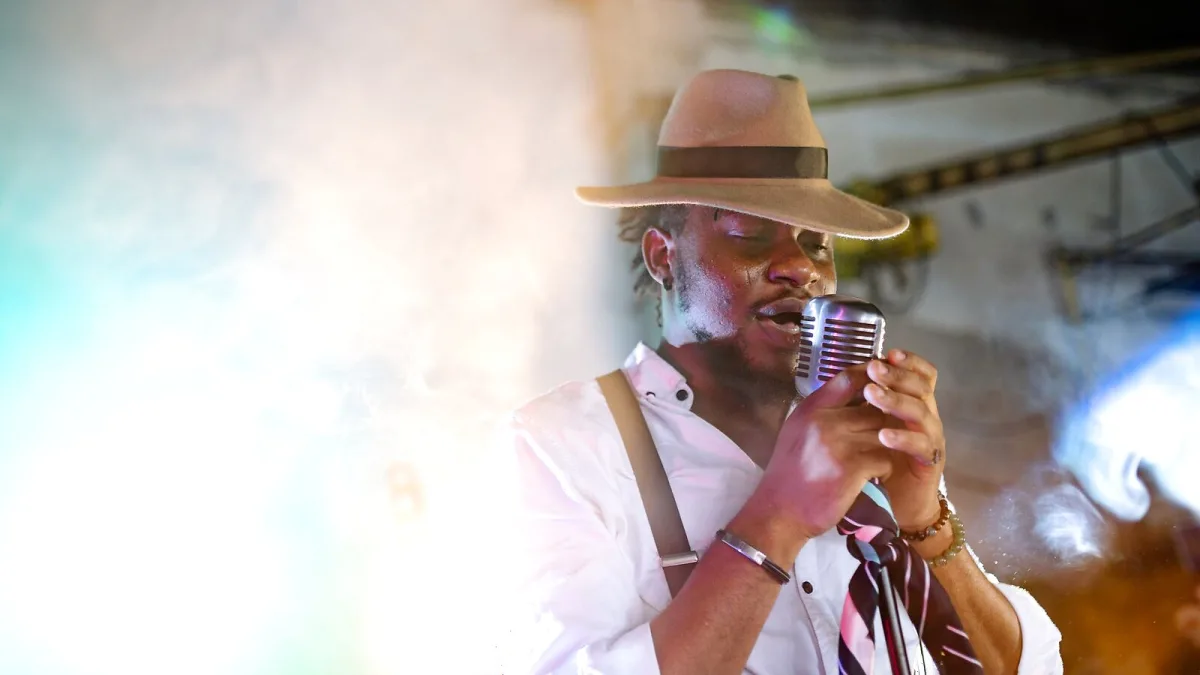
I've spent enough years around live music to know that the artists who actually built a scene rarely get talked about in the right order. So here's the honest rundown of the essential Afrobeats artists — who did what, why it mattered, and which name to check out first if you've only got twenty minutes to spare.
Wizkid: The One Who Went Fully Global
If one name convinced the wider world this music deserved proper attention, it's Wizkid. His melodic, laid-back approach to Nigerian pop crossed over into international R&B and pop circles without losing what made it distinctly Afrobeats in the first place. He's the connective tissue between the genre's Nigerian roots and its place on Western festival bills and playlists.
Davido: Commercial Weight and Staying Power
Davido has been one of the most commercially prominent figures in this genre for over a decade, and staying power in a scene that moves this fast is its own kind of achievement. His music leans hard into big, celebratory hooks, and he's played a genuinely significant role in pushing Nigerian pop's international reach further with each release cycle.
Burna Boy: The One Who Refuses to Stay in a Lane
Burna Boy's whole thing is refusing to sit still inside one style. His records pull in dancehall, reggae and hip-hop alongside the core Afrobeats sound, which is exactly why he's impossible to pin down with a single tidy description. If you want proof this genre isn't one fixed formula, his catalogue is argument enough on its own.
Tiwa Savage: Raising the Bar for Women in the Scene
Tiwa Savage's importance goes well beyond her own songs, considerable as they are. As a prominent singer-songwriter, she's been central to increasing the global visibility of women within a scene that, like most pop industries, hasn't always made equal room for them. Her presence changed what was possible for the artists who came after her.
Rema: The Newer Generation's Melodic Voice
Rema represents where this sound has headed more recently — melodic, digitally-forward, and comfortable pulling in production ideas from well outside strictly Nigerian traditions. If Wizkid and Davido represent the generation that broke through internationally, Rema's the proof the pipeline behind them hasn't slowed down.
The Early Names That Made the Later Ones Possible
None of today's headline Afrobeats artists happen without an earlier generation who did the unglamorous groundwork. Here's who set the table:
| Name | Role | Why they matter |
|---|---|---|
| 2Baba | Singer | Central figure in the early-2000s commercial expansion of modern Nigerian pop |
| D'banj | Singer | Key crossover figure between Nigerian pop, hip-hop and wider international audiences |
| Don Jazzy | Producer & executive | Shaped much of the sound and infrastructure behind modern Nigerian pop |
| OJB Jezreel | Producer & songwriter | Identified as one of the genre's early foundational figures |
| Sarkodie | Rapper | Central to Ghanaian hiplife's development and international reach |
Don't Forget Where the "Beat" Part Came From
Every one of these Afrobeats artists sits downstream of Fela Kuti's Afrobeat, the politically driven 1970s style that shares a name and a country of origin without being musically identical. It's not essential listening to enjoy any of the names above, but it explains a lot about why this scene carries the cultural weight it does. Fela's son Femi Kuti and grandson Seun Kuti continue that separate, related tradition today, for anyone curious to hear where the family name went next.
The Producers Nobody Puts on the Poster
It's easy to build a list like this entirely out of singers, but that undersells how the sound actually got made. Don Jazzy's production and executive work shaped an enormous amount of what modern Nigerian pop sounds like, from drum programming choices to how vocals sit in a mix. OJB Jezreel did similarly foundational work a generation earlier. Neither name sells out arenas under their own billing, but plenty of arena-filling careers on this list wouldn't exist in their current form without them.
Hear Them Properly
Names on a page only get these Afrobeats artists so far. Our essential albums guide and our rundown of the defining songs put every one of these artists directly in your ears, and our full history explains how they all fit together chronologically.
New to All This?
Five essential Afrobeats artists in one go is a fair bit to take in cold. Our beginner's guide and our newcomer's listening path both offer a gentler, better-ordered way into the same names.
The Bottom Line
Wizkid for global crossover, Davido for staying power, Burna Boy for genre-blending, Tiwa Savage for widening who gets to be heard, Rema for where it's headed next — and a whole earlier generation of names and producers who made all of it possible in the first place. Know these Afrobeats artists properly, and the rest of the genre starts making a lot more sense.


Comments