


Thumb Picks article
Everything You Need to Know About Thumb Picks
Thumb picks give fingerstyle guitarists and banjo players a defined bass attack while keeping the fingers free — but getting the right fit and technique matters enormously. Here's the full story.
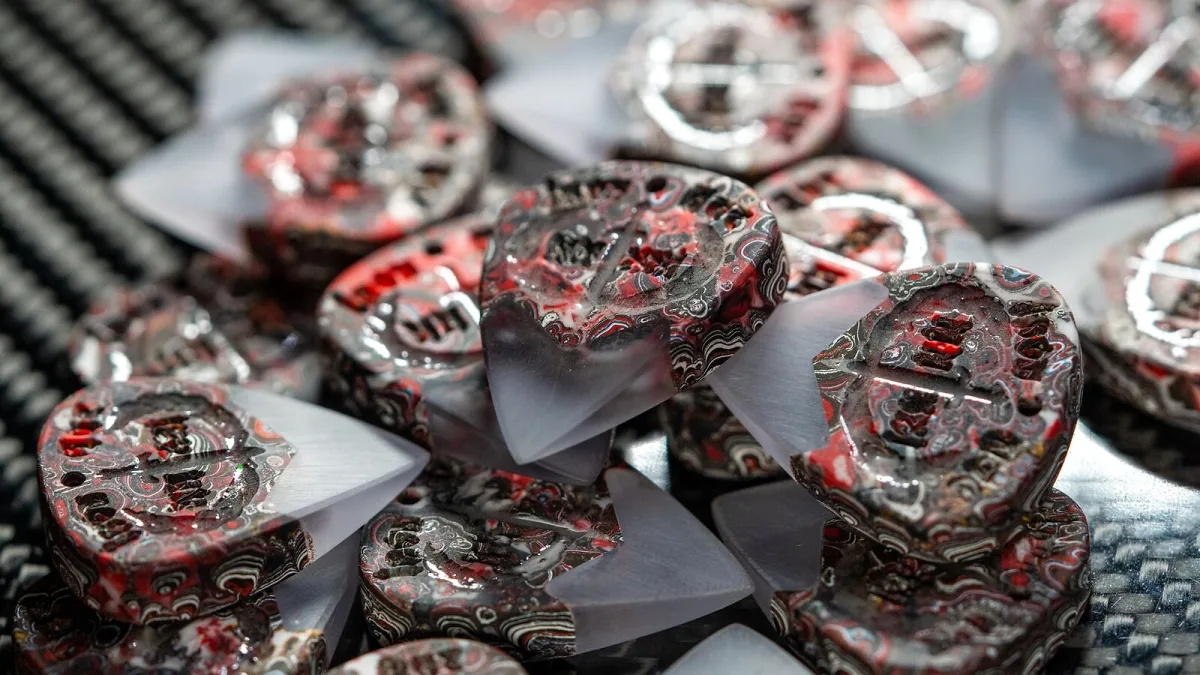
Thumb picks occupy a peculiar position in the guitarist's world — widely used in country, folk, blues and bluegrass, largely invisible in most rock playing, and somewhat misunderstood by players who've never needed one. If you've been wondering what they actually do, why fingerpickers favour them, and what separates one from another, this is the complete rundown.
What a Thumb Pick Is and Why It Exists
A thumb pick is a plectrum that wraps around the thumb rather than being held between thumb and forefinger. The player slips the pick onto the thumb like a ring, with a curved blade extending beyond the thumbnail to strike the strings. The hands remain free to fingerpick with the remaining fingers — with or without individual fingerpicks on those too.
The practical reason for using one is simple: when you're playing a fingerstyle pattern, the thumb handles the bass strings while the fingers handle the treble strings. A bare thumb produces a softer, rounder attack than a pick; one produces a louder, sharper, more defined bass note that can cut through clearly alongside the treble-string melody. For players working in country, bluegrass, and Travis-picking styles, that contrast between a punchy bass and a clear melody is central to the technique.
Where Thumb Picks Come From
The thumb pick's heritage is closely linked with the American fingerpicking tradition, particularly in country and folk music. Players like Merle Travis, Chet Atkins, and later Tommy Emmanuel developed elaborate fingerpicking systems that depended on the pick for bass-note definition. The technique — in which the thumb alternates between bass strings while the fingers pick melody — is often called Travis picking in honour of Merle Travis, though related approaches predate him. Albert Collins and other electric blues players also used them for a clean, percussive attack on electric instruments.
Banjo players have long relied on them as standard kit, and they remain a staple in bluegrass and old-time music. Dobro and resonator guitar players frequently use a combination of pick and fingerpicks to replicate slide tones.
Materials and Their Effect on Tone
Plastic and Nylon
The most common material by far. Plastic versions are light, inexpensive, and available in a wide range of sizes and shapes. The feel and rigidity varies between brands and grades. Most offer some flexibility, which smooths the attack slightly. They can be gently heated in warm water and reshaped to fit the thumb more securely — a common modification among serious players.
Metal
Stainless steel and brass versions are stiffer and produce a brighter, more cutting attack. They're popular with players who want maximum volume and definition, particularly on acoustic instruments or amplified electric playing. Metal picks don't need reshaping but require careful size selection at purchase, as they don't flex to compensate for a slightly imperfect fit. National and Fred Kelly both offer well-regarded metal designs.
Celluloid and Vintage-Style Materials
A small number of players prefer celluloid or similar vintage-type materials for a warmer, slightly rounder attack. These are less common today than plastic or metal but remain available from specialist suppliers.
Sizing: The Critical Factor
A thumb pick that doesn't fit securely is nearly useless. Too loose and it slides, rotates or flies off at inopportune moments during performance. Too tight and it restricts circulation or becomes uncomfortable after a few minutes. Sizing is not standardised across brands — what one brand labels "medium" another might label "large" — so when buying online, check the thumb diameter measurements if provided, or choose brands that offer explicit guidance.
Most plastic picks can be fitted to the thumb by warming them gently in hot water (not boiling), slipping them on while warm, and holding them in place while they cool. This creates a custom fit that won't shift during playing.
Blade Angle and Shape
The blade — the plectrum section that actually strikes the strings — varies in angle, thickness and shape between designs. A blade angled more steeply toward the palm replicates a downstroke pick angle; one set further forward reaches the strings differently, particularly for players who approach from above. There's no universal correct setting: the right blade angle is whatever allows your picking hand to move naturally while bringing the blade cleanly across the strings.
Some players adjust the blade angle by bending the pick carefully after heating. This is a common and entirely sensible modification — they are intended to be fitted to the individual player's hand position and technique, not used exactly as they come from the packet.
Using a Thumb Pick with Fingerpicks
Thumb picks are often used in combination with individual fingerpicks on the index, middle, and sometimes ring fingers. In bluegrass banjo playing, this is the universal standard setup. In fingerstyle guitar, some players prefer the natural fingernails on their plucking fingers for a softer touch on treble strings while using the pick for bass punch. The combination of pick plus bare fingertips is probably the most common setup among country and folk guitarists today.
Getting Used to a Thumb Pick
The main challenge for new players is that they change the feel and angle of the thumb in contact with the strings. Most players who abandon them cite discomfort in the first weeks of use — an adjustment period that, if pushed through, usually gives way to a natural feel. Give it at least two to three weeks of consistent practice before passing judgement.
If you're ready to buy your first thumb pick, the buyer's guide covers sizing, materials and what to look for in each price range. If you're just starting out with fingerpicking and want the gentlest entry point, the beginner's guide is the place to start. And to avoid the most frustrating early mistakes, common picking mistakes has the list covered.
The Bottom Line
Thumb picks are a precision fingerpicking tool, not a universal shortcut or novelty. In the right context — fingerstyle guitar, bluegrass banjo, acoustic fingerpicking — they solve a genuine problem: how to produce a clear, defined bass attack while leaving the other fingers free to pick melody. The technique takes adjustment, the fit matters enormously, and the right pick for any given player depends on their hand size, technique, and preferred tone. Get the sizing right first, everything else follows from there.





Comments