


Thumb Picks article
Common Thumb Picks Mistakes to Avoid
Most thumb pick frustrations come from a handful of specific, fixable errors. Here are the seven most common mistakes — and what to do about each one.
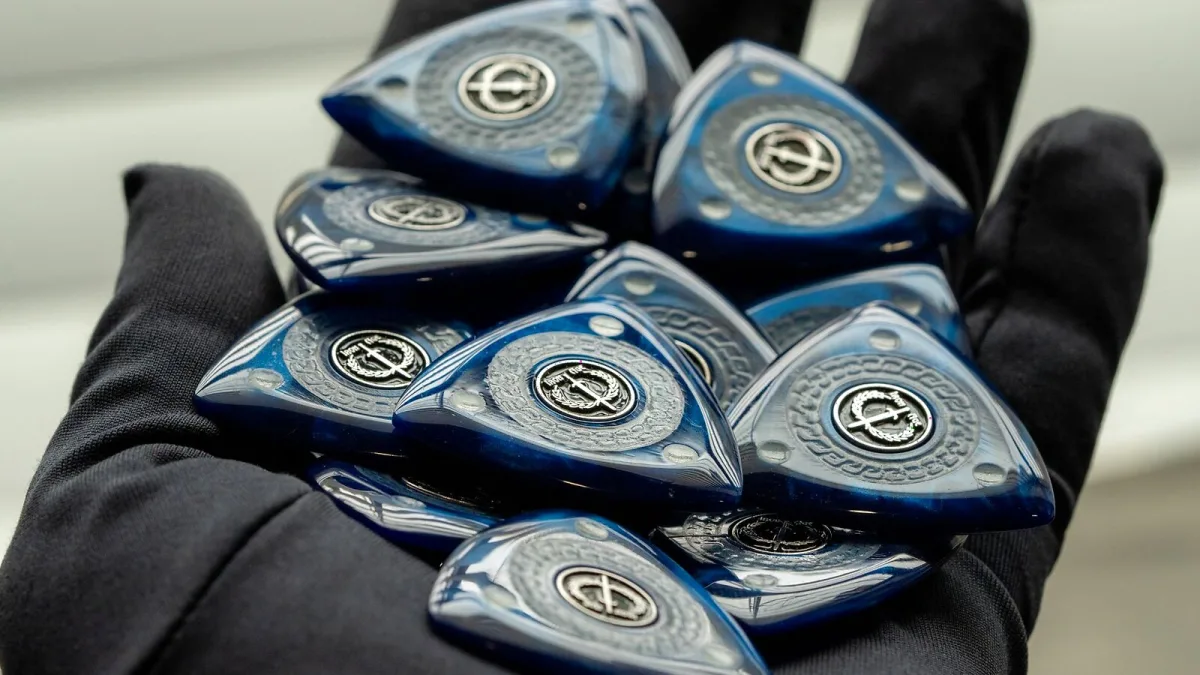
Thumb picks are simple enough that their common mistakes are also simple — and understanding them upfront saves the frustration of repeatedly buying picks that don't work, abandoning them after a few days, or developing technique problems that are harder to fix later. Here's the full list.
Mistake 1: Choosing the Wrong Size and Not Adjusting It
An ill-fitting thumb pick is the root cause of most early frustrations. A pick that's too loose rotates around the thumb during playing — suddenly the blade is sideways, or the pick has flown off mid-phrase. A pick that's too tight restricts blood flow and becomes genuinely painful after a few minutes. Either way, the player concludes that thumb picks "just don't work for them."
The solution is two-stage. First, buy the correct size — which requires trying picks rather than guessing, since sizing is inconsistent between brands. Second, for plastic picks, heat the pick in hot water for 20–30 seconds, slip it onto the thumb while warm, and let it cool in the correct position. This creates a snug custom fit that neither rotates nor restricts. Skipping this step is what makes an otherwise good pick perform badly.
Mistake 2: Buying Metal for a First Thumb Pick
Metal versions — stainless steel, brass — sound great in the right context: louder, brighter, and more cutting than plastic. But they're an unforgiving choice for a first pick because they cannot be shaped or adjusted. If the size is slightly off, it stays that way. Metal picks also produce a more aggressive attack that beginners often struggle to control evenly, particularly when playing a gentle fingerstyle passage.
Start with plastic. Once you've got the size, angle, and technique dialled in, you can evaluate whether a metal pick suits your tone better. That's a more informed decision to make from a position of experience.
Mistake 3: Ignoring the Blade Angle
The blade — the plectrum portion that strikes the strings — comes at a default angle from the manufacturer that may or may not suit your hand position and picking style. Many players use the pick straight from the packet without adjusting the blade, and then find it catches on strings, pulls at an awkward angle, or forces them to hold their hand in an unnatural position.
The correct approach: after getting the pick to fit your thumb, play a few slow bass notes. If the blade catches, sticks, or requires you to angle your wrist awkwardly, warm the pick and bend the blade to a more natural position. A well-adjusted blade should feel like a natural extension of the thumb, striking the strings smoothly in your normal playing position.
Mistake 4: Abandoning the Pick Too Quickly
The adjustment period for thumb picks is real. Most new users find them awkward for the first week to two weeks — the thumb has developed habits that don't include wearing something around it, and every stroke feels slightly off. The most common response to this is to decide the pick isn't for you and give up.
The honest take: almost everyone who pushes through the initial two weeks and plays with the pick daily eventually finds it becomes natural. Players who abandon the pick within a few days are nearly always making the decision too early. Set a minimum period of two weeks of consistent practice before making a final judgement.
Mistake 5: Using Too Much Force
A thumb pick amplifies the attack on bass strings. Players used to compensating with a bare thumb by striking harder often find that the same force with a thumb pick produces a harsh, clanky sound that overwhelms the melody. The pick does the work of amplifying the attack; you don't need to add more force.
Play lighter than you think you need to. The bass notes will still be clear and defined — potentially more defined than anything your bare thumb was producing. The skill is controlling the dynamic balance between the bass and the bare-finger treble, and that starts with restraint on the thumb rather than power.
Mistake 6: Comparing Sizes Across Brands Using Numbers Alone
Thumb pick sizing is not standardised. A "medium" from one brand is not the same circumference as a "medium" from another. Players who wear a Fred Kelly medium and assume a Dunlop medium will fit the same way are often surprised. Even within a single brand, sizing can vary slightly across different model lines.
When trying a new brand or model, always start fresh with the sizing process — measure, try, adjust. Don't assume a known size transfers across product lines.
Mistake 7: Trying to Use a Thumb Pick for Styles That Don't Need One
Thumb picks are specifically suited to fingerpicking styles where the thumb needs to produce a defined, louder bass attack independent of the other fingers. For regular flatpicking, strumming, or lead playing with a standard pick, a thumb pick adds no benefit and significant awkwardness. Some players who play multiple styles alternate between using a thumb pick and not using one, but trying to force the pick into an inappropriate context is likely to end in frustration rather than innovation.
Use it for fingerpicking. For everything else, switch to your regular technique.
For the complete picture on how thumb picks work and their history, read the complete guide. If you're making a purchase decision, the buyer's guide covers sizing and materials clearly. And if you're just getting started, the beginner's guide is the most practical starting point.
The Short Version
Get the size right and reshape it to fit. Start with plastic, not metal. Adjust the blade angle. Give it at least two weeks before deciding whether it works. Play lighter than you think you need to. Don't compare sizes across brands. And use it for fingerpicking, not for everything. Avoid those seven mistakes and the adjustment period will be considerably shorter.






Comments